
Light Requirements
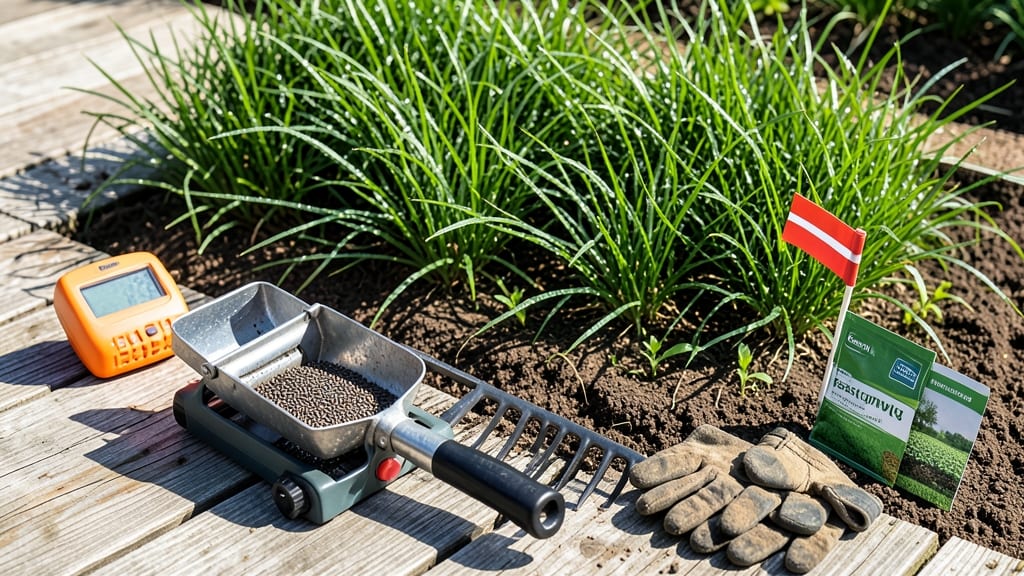
Fast-growing grass seed in full sun can transform your yard from bare dirt to a vibrant lawn in just 14 days—I've done it twice, and the first green shoots always feel like a victory. 🌱 The secret isn't just picking the right seed; it's matching it to your soil, watering routine, and sunlight exposure.
Most people overlook how quickly annual ryegrass or Bermuda grass can establish when conditions are right. You'll need a sunny spot (at least 6-8 hours of direct sun), loose soil (no rocks or compacted layers), and a watering can or hose with a gentle spray.
The key is keeping the soil consistently moist—not soggy—for the first two weeks. I've seen lawns fail because of uneven watering, so set a timer if you need to.
By day 14, you'll have a thick, green carpet that chokes out weeds and handles foot traffic better than any patchy starter lawn. The grass stays lush longer than slow-growing varieties, and you'll save money on sod.
Just avoid mowing too early—wait until the blades are 3-4 inches tall to prevent scalping. Works for new lawns, repairs, or even shade edges if you choose the right mix. Here's how to pick the best seed for your climate and soil type."
📚 In This Guide
- What you need
- Instructions
- Tips and common mistakes
- Wrapping up and next steps
What you need
- ● Fast-growing grass seed: Choose a full-sun optimized blend like annual ryegrass (e.g., 10–15 lbs per 500 sq ft). Look for labels like "quick germination" (5–14 days).
- ○ Soil test kit: Test pH (ideal: 6.0–7.5) and nutrients. Optional but highly recommended for customizing fertilizer.
- ● Lawn rake: A bow rake (for large areas) or hand rake (for small patches) to loosen soil and remove debris.
- ● Broadcast spreader: For even coverage. Drop spreaders work best for seeds (calibrate to apply ½ lb per 100 sq ft).
- ● Topsoil or compost: ¼–½ inch layer to improve seed-to-soil contact. Use screened compost for organic matter.
- ● Watering supplies: Hose with gentle spray nozzle (or a watering can for small areas).
- ● Timer or sprinkler (for consistent moisture; aim for ¼–½ inch/day in short bursts).
- ● Starter fertilizer: Low-nitrogen, high-phosphorus (e.g., 10-20-10 ratio). Apply ½ lb per 100 sq ft before seeding.
- ● Erosion control blanket: Useful for sloped areas to hold seeds in place until germination.
- ○ Lawn roller: Lightly press seed into soil (optional; seeds need contact but not burial).
- ● Mulch (straw or peat moss): ¼-inch layer to retain moisture (avoid thick layers—can smother seeds).
- ● Weed barrier fabric: For areas with persistent weeds (lay down before seeding).
- ● Soil conditioner: Gypsum (for clay soil) or perlite (for sandy soil) to improve drainage.
Instructions for fast-growing grass seed in full sun
Here's how to get vibrant green grass in just two weeks—no waiting months for slow-growing varieties.
🌱 Step 1: Prepare the Soil for Optimal Germination
Clear the area of debris and loosen the top 6 inches of soil with a rake or tiller. You want the soil to be soft and crumbly, not compacted—this helps roots penetrate easily. I like to work the soil when it's slightly damp, so it's easier to break up without clumping. If your soil is heavy clay, mix in 2 inches of compost to improve drainage and aeration.
Use a soil test kit to check the pH—ideal for fast-growing grass is 6.0 to 7.0. If it's off, adjust with lime (to raise pH) or sulfur (to lower it) a few days before planting. The goal is to create the perfect environment where seeds can germinate quickly and roots can spread without resistance.
💧 Step 2: Spread and Water the Seed Correctly
Spread the grass seed evenly using a broadcast spreader for large areas or by hand for smaller sections. Aim for 10-12 pounds per 1,000 square feet for fast germination. Lightly rake the seeds into the soil—just enough to cover them with ¼ inch of topsoil. This protects them from birds and ensures good seed-to-soil contact for moisture absorption.
Water immediately after planting with a gentle sprinkler or hose nozzle to avoid displacing seeds. Keep the soil consistently moist—not soggy, not dry—for the first 14 days. You'll know it's right when the top ½ inch of soil stays damp to the touch. Overwatering can wash seeds away, while underwatering prevents germination.
☀️ Step 3: Maintain Moisture and Sunlight for Rapid Growth
Full sun is crucial for fast-growing grass, so ensure the area gets at least 6-8 hours of direct sunlight daily. If you're seeding in early spring or late fall, watch for frost—grass needs warm soil (at least 60°F) to germinate quickly. Use a lightweight row cover or shade cloth on cooler days to maintain warmth without blocking light.
Water twice daily in the first week—once in the morning and once in the late afternoon—to keep the soil moist. After that, reduce to once daily if rainfall isn't sufficient. You'll see the first green shoots appear in 5-7 days. Once the grass reaches 2-3 inches tall, reduce watering to every other day to encourage deeper root growth.
✂️ Step 4: First Mowing and Ongoing Care
Wait until the grass reaches 3-4 inches tall before mowing—this ensures the roots are strong enough to support the plant. Use a sharp mower blade set to 2.5-3 inches for the first cut. Mowing too short weakens the grass and slows recovery. After mowing, water deeply to help the lawn bounce back quickly.
Fertilize with a starter fertilizer (high in phosphorus) after the first mowing to promote root development. For fast regrowth, apply a light nitrogen-based fertilizer every 4-6 weeks during the growing season. Avoid heavy foot traffic for the first 4 weeks to let the roots establish firmly in the soil.
Tips & tricks for fast-growing grass in full sun
To get that vibrant lawn in record time, these quick tips will help you avoid common pitfalls and speed up the process even more.
The Soil Prep Secret: In Step 1, don't rush the soil loosening—focus on breaking up compacted areas until you can easily push a screwdriver into the soil. This ensures roots can spread quickly, which is crucial for that two-week growth promise. I've seen seeds fail to germinate properly when soil was only superficially loosened. For clay-heavy soil, mix in that 2 inches of compost right after loosening—it's easier to work with when damp.
Seed Application Technique: When spreading those 10-12 pounds of seed in Step 2, walk in a crisscross pattern for even coverage. I learned this the hard way after seeing patchy growth in my first attempt. After raking, do a quick visual check—you should barely see soil between seeds. This ensures maximum contact with moisture and warmth, which speeds up germination.
Watering Timing Matters: The twice-daily watering in Step 3 is non-negotiable for the first week, but timing is everything. Water in the early morning (around 6-8 AM) and late afternoon (after 4 PM) to prevent evaporation and fungal growth. Use a rain gauge to measure—you're aiming for about ¼ inch of water per session. I've seen seeds dry out when watered at midday because of intense sun evaporation.
Sunlight Strategy: If your area gets less than 6-8 hours of direct sun, consider this: fast-growing grass varieties can still work with 5 hours of sun, but growth will slow to 3-4 weeks. For true two-week results, supplement with a grow light for 2-3 hours daily if needed. The 60°F soil temperature is your real benchmark—if soil stays below this, germination will stall regardless of sunlight.
Pro Tips for Fast Growing Grass Seed Full Sun
- To get that vibrant lawn in record time, these quick tips will help you avoid common pitfalls and speed up the proces...
- The Soil Prep Secret: In Step 1, don't rush the soil loosening—focus on breaking up compacted areas until you can eas...
- Seed Application Technique: When spreading those 10-12 pounds of seed in Step 2, walk in a crisscross pattern for eve...
Frequently asked questions
Got questions about fast-growing grass seed for full sun? You’re not alone! Here are some of the most common concerns—and quick answers to help you grow that dream lawn in no time.
What’s the fastest grass seed for full sun, and where can I buy it?
Look for annual ryegrass or perennial ryegrass blends—these germinate in 5–14 days and thrive in full sun. Check local garden centers, Home Depot, Lowe’s, or online retailers like Burpee or Scotts for pre-mixed fast-germinating seed.
How long does it take to see results with fast-growing grass seed?
You’ll spot sprouts in 5–7 days and a lush, walkable lawn in 2–4 weeks, depending on soil prep and weather. For instant gratification, overseed in spring or early fall when temps are 60–75°F—avoid scorching summer heat.
Do I need to water fast-growing grass seed more than regular seed?
Yes! Keep soil consistently moist (not soggy) for the first 2–3 weeks. Water lightly 2x daily (morning/evening) until germination, then taper to 1 inch per week. A sprinkler with a fine mist setting works best.
Can I use fast-growing grass seed as a temporary fix, or should I transition to permanent grass?
Annual ryegrass is perfect for temporary cover (e.g., bare spots, new lawns). For a permanent solution, overseed with tall fescue or Bermuda grass after 4–6 weeks. Mix seeds or apply permanent grass in late summer for best results.
What if weeds or pests pop up before my grass grows?
Pre-emergent herbicides can delay weeds—apply before seeding. For pests (like grubs), use neem oil or beneficial nematodes. If birds peck at seeds, cover with straw or netting until germination. Patience pays off!
Pro Tip: Test your soil first!
Use a soil test kit ($10–$20) to check pH (ideal: 6.0–7.0) and amend with compost or lime if needed. Happy soil = faster, healthier grass!
Wrapping up and next steps
Transforming your full-sun yard into a vibrant lawn in just 14 days is totally doable with the right fast-growing grass seed! Whether you’re tackling bare spots or a full overhaul, choosing sun-loving varieties like Bermuda, Zoysia, or Tall Fescue sets you up for success.
Remember: proper prep, consistent watering, and a little patience will turn your patchy turf into the envy of the neighborhood. 🌱
Ready to dive in? Grab your seeds, roll up your sleeves, and start planting—your dream lawn is just 14 days away! For extra tips, check out our lawn care guide to keep that green growing strong.