
Lawn
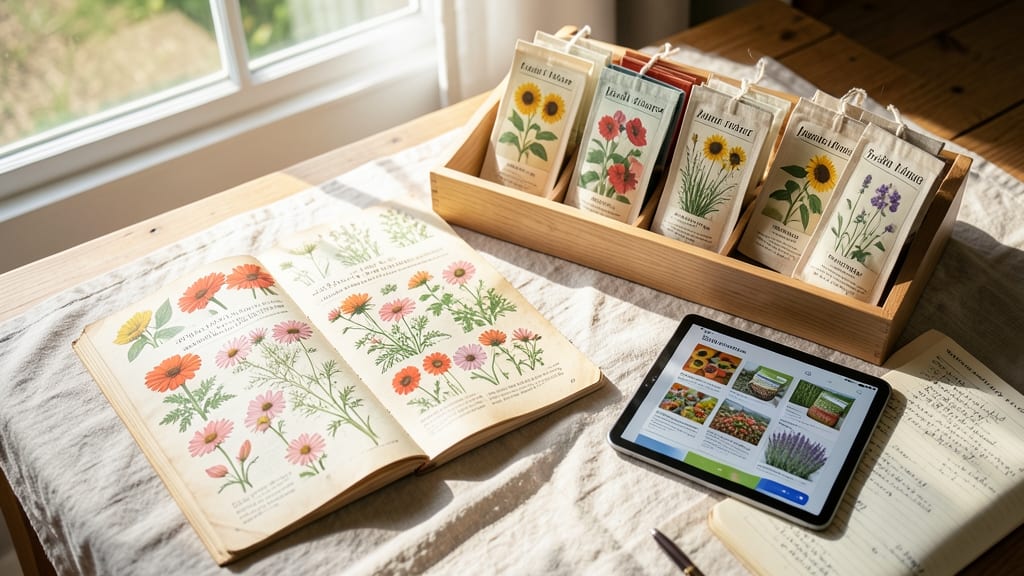
Flower seed catalogs for 2025 are your golden ticket to next year’s dream garden—before the rush. 🌸 I still remember the thrill of flipping through my first catalog at 10 years old, imagining vibrant blooms where my bare patch of dirt stood.
Now, I order early every year to snag rare varieties that sell out by spring, like the deep violet ‘Moonlight’ phlox or the fragrant ‘Black Baccara’ roses that neighbors always ask about.
The real magic happens when you match seeds to your climate and sunlight. A catalog’s planting zone map isn’t just helpful—it’s essential.
I cross-reference with my local frost dates (zone 6a here) and highlight varieties that thrive in partial shade, like ‘Stella de Oro’ daylilies, which bloom from June to frost.
Pro tip: mark your calendar now for next year’s ordering deadline—most catalogs close orders by early March, and that’s when the best selections disappear.
By spring, you’ll have a garden layout mapped out with color swatches and bloom times, avoiding the last-minute panic of “what goes where?”.
Picture it: your front yard bursting with early ‘Iceberg’ roses in May, followed by ‘Blackout’ lily hybrids in July, and ‘Autumn Joy’ sedum stretching the season until frost. The catalogs even suggest companion plants to deter pests—no more aphid invasions ruining your showstoppers.
Start small if you’re new: pick 3-5 varieties you can’t wait to grow, then expand. I keep a spreadsheet of my top picks, ordering 25% more than needed (seeds have expiration dates, and germination rates drop after a few years).
The early planners always have the most vibrant yards—don’t let FOMO be your downfall. Here’s how to make the most of your 2025 catalogs before they’re gone.
📚 In This Guide
- What you need
- Instructions
- Tips and common mistakes
- Wrapping up and next steps
What you need
- ● 2025 Flower Seed Catalogs: Printed or digital copies from trusted suppliers (e.g., Burpee, Park Seed, or Baker Creek). Pro tip: 💡 Order early—exclusive varieties sell out fast!
- ● Seeds: High-quality, certified organic seeds from your catalog choices. Quantity: Adjust based on garden size (e.g., 100–500 seeds per variety for small gardens).
- ○ Seed Starting Trays: Biodegradable or reusable (72–200 cell count). Optional: Peat pellets for moisture control.
- ● Growing Medium: Seed Starting Mix: Lightweight, sterile blend (e.g., Pro-Mix or FoxFarm Seedling Mix). Quantity: 1–2 cubic feet per tray.
- ● Potting Soil: Well-draining mix (e.g., Miracle-Gro or FoxFarm Ocean Forest) for transplanting.
- ● Grow Lights: LED or fluorescent (12–16 hours/day). Specs: 2,000–6,500K color temperature.
- ● Misting Bottle or Sprayer: For gentle watering (1–2 oz capacity).
- ○ Heat Mat (Optional): Electric or self-regulating (70–75°F range) for slow germinators.
- ● Labels & Markers: Waterproof labels + permanent markers to track varieties.
- ● Gloves & Hand Trowel: For soil prep and transplanting.
- ● Space: Sunny windowsill, greenhouse, or basement with humidity control (60–70% ideal).
- ● Time: 10–15 minutes daily for watering, light checks, and thinning seedlings.
- ● Budget: $50–$200+ (varies by seed quantity and tools). Tip: ✨ Repurpose containers (e.g., egg cartons) to save costs!
- ● Local Climate Knowledge: Check your USDA Hardiness Zone (Zone 1–11) for transplant timing.
How to choose the best flower seed catalogs for your 2025 garden
Here’s how I narrow down the best catalogs to find rare blooms that suit your climate and style.
🌱 Step 1: Identify Your Gardening Goals and Climate
Start by listing what you want from your garden—whether it’s long-blooming perennials, cutting flowers, or drought-resistant annuals. I always jot down my top 3 priorities to filter catalogs faster. Next, check your USDA hardiness zone—this tells you which seeds will thrive in your area. For example, zone 5-7 gardeners should avoid catalogs focused on tropical varieties.
Look for catalogs that highlight region-specific seeds or include a zone map. Some, like Burpee or Park Seed, offer zone-specific recommendations upfront, saving you time. If you’re new to gardening, I recommend starting with catalogs that include a beginner-friendly section—they’ll guide you toward foolproof varieties.
📖 Step 2: Compare Catalogs for Exclusive and Rare Varieties
Not all catalogs are created equal—some specialize in heirloom flowers, while others focus on modern hybrids. I like to cross-reference four to five catalogs to spot unique varieties. For instance, Seed Savers Exchange often carries rare open-pollinated flowers that you won’t find in big-box stores. Meanwhile, Johnny’s Selected Seeds excels in organic and sustainable options.
Pay attention to the seed quantity per packet—some catalogs offer larger amounts for heirloom varieties, which can be a better value if you’re planting multiple rows. Also, check for limited-edition collections, like Burpee’s “Garden of the Month” series, which sometimes include exclusive colors or disease-resistant strains.
☀️ Step 3: Review Planting and Care Instructions
The best catalogs don’t just list seeds—they provide detailed growing guides, including light requirements, soil preferences, and bloom times. I always scan for catalogs with color-coded charts or month-by-month planting calendars, as these make planning effortless. For example, a catalog that labels flowers as “full sun” or “partial shade” helps you avoid mismatches in your garden layout.
Look for catalogs that include troubleshooting tips, like how to prevent powdery mildew on roses or attract pollinators to lavender. Park Seed and Richters are known for their thorough care sections, which can save you from common pitfalls later in the season.
💰 Step 4: Compare Pricing and Shipping Policies
Prices vary widely—some catalogs offer discounts for bulk orders, while others provide free seeds with purchase or loyalty rewards. I recommend ordering from at least two catalogs to compare costs, especially for larger seed packets. Also, check shipping fees—some catalogs waive them for orders over $50, while others charge flat rates regardless of order size.
Don’t overlook return policies. The best catalogs, like Baker Creek Heirloom Seeds, offer seed replacements or refunds if packets arrive damaged or non-viable. Always read the fine print to avoid surprises. Pro tip: Order early—popular varieties sell out fast, and some catalogs release new collections in late winter.
⏰ Step 5: Plan Your Order Timeline and Deadlines
Most catalogs accept orders year-round, but early spring (March-April) is peak season, so plan ahead. I like to set reminders for January-February to review catalogs, circle my top picks, and note any early-bird discounts. Some catalogs, like Burpee, even offer priority shipping for orders placed before March 15.
If you’re ordering multiple catalogs, I suggest grouping them into two shipments—one for cool-season crops (like pansies or snapdragons) and another for warm-season favorites (like zinnias or sunflowers). This way, you won’t accidentally order seeds too early or too late for your climate. Keep a spreadsheet to track order dates, expected arrival, and planting schedules.
Tips & tricks for perfect flower seed catalog selection
Finding the right seed catalogs can transform your garden—here's how to make the most of your choices without the guesswork.
Zone-Specific Focus: When reviewing catalogs in Step 1, I always cross-reference their recommendations with my local USDA zone map. For example, if you're in zone 5-7, avoid catalogs that only feature tropical flowers like hibiscus or bird of paradise—they won't thrive in your climate. Look for catalogs that explicitly mention "cold-hardy varieties" or include zone-specific planting charts, like Burpee's regional recommendations. This saves you from wasting money on seeds that won't grow where you live.
Catalog Comparison Strategy: In Step 2, I recommend creating a simple comparison table with columns for each catalog you're considering. Include notes about their specialty (heirloom vs. hybrids), seed quantities, and any exclusive varieties. For instance, Seed Savers Exchange often carries rare open-pollinated flowers that big-box stores don't offer. I typically review at least four catalogs before deciding—this helps me spot unique varieties and avoid missing out on limited-edition collections like Burpee's "Garden of the Month" series.
Growing Guide Details: The best catalogs go beyond basic instructions in Step 3. I look for ones that include color-coded charts showing light requirements ("full sun" vs. "partial shade") and month-by-month planting calendars. These visual tools help me visualize my garden layout and avoid common mistakes like planting shade-loving flowers in sunny spots. Park Seed's catalog is particularly helpful because it includes troubleshooting tips for common issues like powdery mildew on roses.
Order Timeline Hack: For Step 5's ordering deadlines, I set two reminders: one for January-February to review catalogs and another for early March to place orders. Some catalogs, like Baker Creek Heirloom Seeds, release new collections in late winter, so I always check their website in January for exclusive varieties. I also group my orders into two shipments—cool-season flowers (like pansies) arrive earlier, while warm-season favorites (like zinnias) can wait until spring planting season begins.
Pro Tips for Flower Seed Catalogs 2025
- Finding the right seed catalogs can transform your garden—here's how to make the most of your choices without the guesswork.
- Zone-Specific Focus: When reviewing catalogs in Step 1, I always cross-reference their recommendations with my local USDA zone map.
- Catalog Comparison Strategy: In Step 2, I recommend creating a simple comparison table with columns for each catalog you're considering.
Frequently asked questions
Got questions about ordering flower seeds for 2025? You’re not alone! Here are some of the most common queries—plus quick, practical answers to help you plan like a pro.
What’s the best time to order flower seeds for 2025?
Order seeds 6–9 months before your planting season—typically between late summer and early fall 2024 for spring blooms. Early orders secure rare varieties, and you’ll avoid last-minute shipping delays. Pro tip: Check your catalog’s “planting timeline” for region-specific deadlines!
Are flower seed catalogs more expensive than buying seeds online?
Not necessarily! Catalogs often offer bulk discounts, heirloom varieties, and exclusive hybrids you won’t find on generic sites. Compare prices per seed packet—sometimes catalogs are cheaper, especially for premium or organic seeds. Always check for free shipping thresholds or loyalty discounts!
Can I still grow flowers if I don’t have a garden?
Many 2025 catalogs feature container-friendly varieties (like petunias, pansies, or dwarf sunflowers) perfect for balconies, windowsills, or patio pots. Look for labels like “patio series” or “container-ready.” Even herbs and microgreens count—just ensure your space gets 4–6+ hours of sunlight!
What if my seeds arrive late or don’t germinate?
First, check the packaging for storage tips—some seeds need stratification (a cold period) or scarification (scratching the seed coat). If germination fails, contact the catalog’s customer service (most offer replacements or refunds). For late arrivals, try sprouting seeds indoors 4–6 weeks before the last frost date.
Do 2025 catalogs include organic or non-GMO seeds?
Yes! Many top catalogs now highlight organic, non-GMO, and heirloom seeds with clear labels. Look for certifications like “USDA Organic” or “OMRI-listed.” Brands like Baker Creek Heirloom Seeds or High Mowing Organic Seeds specialize in these options—always filter by “organic” in their search tools.
Wrapping up and next steps
Exploring the 2025 flower seed catalogs is your gateway to a vibrant, dreamy garden—packed with rare blooms, climate-smart picks, and eco-friendly innovations! Whether you’re a seasoned gardener or just starting, these curated collections make it easier than ever to grow stunning, resilient flowers that thrive in your space. 🌸
Ready to bring your vision to life? Start by browsing your favorite catalogs today, mark your must-have varieties, and sketch a layout for your garden. Then, order early to secure seeds before they sell out—your future garden will thank you!