
Lawn
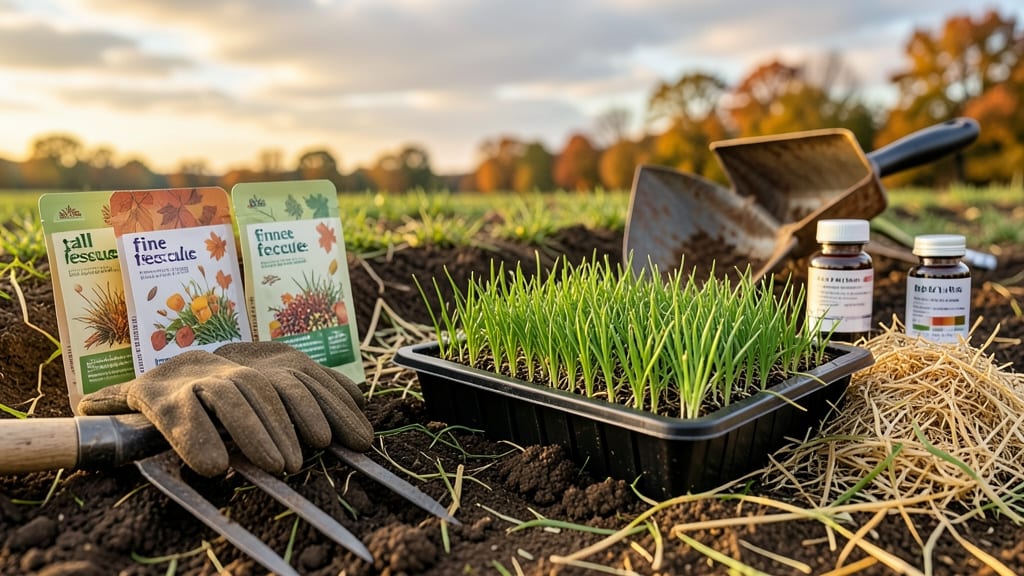
Planting grass seed in autumn gives your lawn a head start before spring—when roots establish deep under cool, moist conditions. 🌱 I’ve seen lawns go from patchy to lush just by timing this right, and it’s not as tricky as it seems.
The secret lies in cooler temperatures and fewer weeds competing for space, which means your new grass stands a much better chance of thriving.
You’ll need a few simple tools: a rake, some quality grass seed (pick one suited to your climate), and a light layer of compost or starter fertilizer. The key is prepping the soil—remove debris, loosen the top layer, and rake smooth.
If your lawn is already struggling, overseeding in fall can fill in thin spots before winter sets in.
Once planted, keep the soil lightly moist for the first few weeks—think of it like giving your lawn a drink every morning and evening. By late fall, you’ll see new sprouts pushing through, and those roots will keep growing strong even through winter.
That’s the magic of autumn seeding: your lawn gets a jump on spring without the summer stress.
Works best in most regions between early September and mid-October, but adjust for your local frost dates. If you’re in a warmer zone, aim for cooler months—just avoid planting too close to winter. With this timing, you’ll have a greener, more resilient lawn next spring than you’ve ever had before.
📚 In This Guide
- What you need
- Instructions
- Tips and common mistakes
- Wrapping up and next steps
What you need
- ● Grass seed: Choose a cool-season variety like Kentucky bluegrass, fescue, or ryegrass (quantity depends on lawn size—check seed bag for coverage rates, typically 5-10 lbs per 1,000 sq ft).
- ● Lawn fertilizer: A high-phosphorus blend (e.g., 5-10-10 ratio) to encourage root growth (1 lb per 100 sq ft).
- ○ Topsoil or compost: ¼-inch layer to improve seed-to-soil contact (optional but highly recommended for bare spots).
- ● Rake: A bow rake with ¼-inch tines to loosen soil and smooth the surface.
- ● Water source: A gentle spray nozzle (hose attachment) or watering can for consistent moisture.
- ○ Mulching mats (optional but helpful): Straw or erosion control blankets to retain moisture and shield seeds from birds.
- ○ Lawn aerator (optional): Core aerator for compacted soil (rent or borrow if needed).
- ● Broadcast spreader: For even seed distribution (manual or electric).
- ● Garden gloves: To protect hands from soil and sharp rake tines.
- ● Weather forecast: Check for 5-7 days of dry weather post-planting to avoid washout.
- ● Test your soil: A pH test kit (aim for 6.0–7.0) ensures optimal seed germination.
- ● Mark your calendar: Water 2x daily (morning/evening) for 10-15 minutes until seeds sprout (~2-3 weeks).
- ● Skip the mower: Wait until new grass reaches 3-4 inches before first mow!
Step-by-Step guide for fall grass seed planting
Autumn planting gives grass roots time to establish before winter’s chill—here’s how to do it right.
🌱 Step 1: Prepare the Soil for Seed Germination
Rake the existing lawn or bare soil to remove debris and create a smooth surface. Loosen the top 2-3 inches of soil with a rake or aerator—this lets roots penetrate deeper before winter sets in. If your soil feels compacted, add a thin layer of compost to improve drainage and nutrients.
Work the compost into the top inch of soil, then water lightly to settle everything. The goal is a fine, crumbly texture that seeds can nestle into. Avoid tilling too deep—you’re not planting vegetables, just giving grass roots room to grow.
💧 Step 2: Spread Seed Evenly for Full Coverage
Use a broadcast spreader for large areas or a hand spreader for small patches. Walk in overlapping rows to ensure no gaps—grass seed is tiny, and uneven coverage leads to thin spots. For 4 servings (about 1,000 sq ft), use 10-12 lbs of seed, adjusting slightly for your grass type.
Lightly rake the seed into the soil just enough to cover it—about ¼ inch deep. This keeps seeds in contact with the soil while protecting them from birds. If you’re planting in windy conditions, consider a thin layer of straw mulch afterward to hold seeds in place.
☀️ Step 3: Water Consistently for Root Establishment
Keep the soil evenly moist for the first 2-3 weeks—this is critical for germination. Water lightly every morning and evening, enough to dampen the top inch without puddling. You’ll know it’s right when the soil feels damp but not soggy.
After germination, reduce watering to 1-2 times weekly unless rainfall is steady. Overwatering now can rot seeds before they sprout. If leaves yellow or wilt, you’re either underwatering or overwatering—check the soil moisture before adjusting.
✂️ Step 4: Protect New Growth Before Winter
Once seedlings reach 3-4 inches tall, apply a thin layer of mulch (like straw) to insulate roots from freezing temperatures. This prevents heaving when soil expands and contracts. Avoid heavy mulch—it can smother young grass.
In late fall, mow once more if growth continues, but leave blades slightly taller than usual. This protects the crown from cold snaps. By winter, your grass should be dormant but with a strong root system ready to burst in spring.
⏰ Step 5: Plan for Spring Maintenance
In early spring, remove any remaining mulch and rake out debris. Wait until soil warms to 55°F before fertilizing—cold soil locks out nutrients. A light application of 10-0-10 fertilizer in spring will encourage lush growth.
Watch for weeds early—they compete with grass for nutrients. A pre-emergent herbicide in late winter (before weeds sprout) keeps them at bay without harming new grass. With consistent care, your autumn-planted lawn will outperform spring plantings every time.
Tips & tricks for perfect fall grass seed planting
Fall planting sets the stage for a lush lawn next spring—here’s how to avoid common pitfalls and get it right the first time.
Soil Prep Secret: In Step 1, focus on breaking up compaction in the top 2-3 inches without disturbing deeper soil layers. I use a garden fork to gently loosen the soil in small sections—this mimics natural root pathways and prevents soil from becoming too dense. If your soil feels like concrete, consider renting a core aerator for larger areas. The goal is to create a "sponge-like" texture where seeds can nestle comfortably.
Seed Coverage Hack: When you’re lightly raking seeds into the soil in Step 2, think of it like dusting powdered sugar—just enough to cover without burying. Too deep (more than ¼ inch) blocks sunlight, while too light leaves seeds exposed to birds. For extra security in windy areas, sprinkle a thin layer of straw mulch after planting. I’ve found that a light hand here makes all the difference in even germination.
Watering Wisdom: The 2-3 week watering window in Step 3 is your most critical phase. I set a timer for morning and evening watering sessions—about 10-15 minutes each—to maintain consistent moisture. Use your finger to check soil dampness: it should feel like a wrung-out sponge. Overwatering here is just as harmful as underwatering, so resist the urge to drown your seeds.
Winter Protection Tip: In Step 4, when applying mulch, remember that "thin is in." A heavy layer can suffocate young grass. I use straw because it breaks down slowly and provides just enough insulation. If you’re in a particularly cold climate, consider adding a layer of burlap over the mulch for extra protection during the harshest winter months.
Pro Tips for Grass Seed Autumn
- Fall planting sets the stage for a lush lawn next spring—here’s how to avoid common pitfalls and get it right the first time.
- Soil Prep Secret: In Step 1, focus on breaking up compaction in the top 2-3 inches without disturbing deeper soil layers.
- Seed Coverage Hack: When you’re lightly raking seeds into the soil in Step 2, think of it like dusting powdered sugar—just enough to cover without burying.
Frequently asked questions
Got questions about planting grass seed in autumn? You’re not alone! Here are some of the most common concerns—and straightforward answers—to help you prep like a pro.
When is the exact best time to plant grass seed in autumn?
The ideal window is 4–6 weeks before your first hard frost (usually late September to early November, depending on your zone). This gives seeds time to germinate and establish roots before winter dormancy. Check your USDA Plant Hardiness Zone for local timing.
Can I plant grass seed in autumn if my lawn already has weeds?
Yes, but tackle weeds first! Apply a pre-emergent herbicide (like corn gluten meal) in early autumn to prevent new weeds, then mow existing weeds down to reduce competition. For stubborn patches, spot-treat with vinegar or a post-emergent herbicide before seeding.
Is autumn grass seed cheaper than spring seed? Should I save money?
Autumn seed is often 20–30% cheaper than spring varieties because demand drops. However, skip on quality—cheap seed may have low germination rates or poor disease resistance. Stick to reputable brands (like Scotts or Johnson Seed) for the best value.
What if autumn temperatures stay too warm or dry?
If temps hover above 75°F (24°C) or drought hits, seeds may dry out before germinating. Water deeply 2–3 times daily (early morning) and use a light straw mulch to retain moisture. If heat persists, delay planting until cooler weather arrives.
Can I overseed an existing lawn in autumn instead of starting fresh?
Overseeding is easier and faster than full lawn replacement. Mow low (1–1.5 inches), rake out thin spots, spread seed, and top with compost. Focus on high-traffic areas or bare patches. Pro tip: Use a broadcast or drop spreader for even coverage.
What’s the worst mistake people make when planting grass seed in autumn?
Skipping soil prep! Don’t just throw seed down—test soil pH (ideal: 6.0–7.0), loosen compacted areas with a rake, and add compost or starter fertilizer. Thin soil prep = poor germination, even with perfect timing.
Wrapping up and next steps
Autumn is your golden opportunity to transform your lawn into a lush spring masterpiece—cold-stressed roots are the secret weapon! By planting grass seed in autumn, you’re giving nature a head start, ensuring thicker, greener growth when warmer weather arrives.
Don’t wait for spring—act now and enjoy a lawn that’s the envy of the neighborhood!
Ready to take the next step? Grab your supplies, mark your calendar, and get planting before the first frost! Your future lawn will thank you. 🌱✨