Propagation
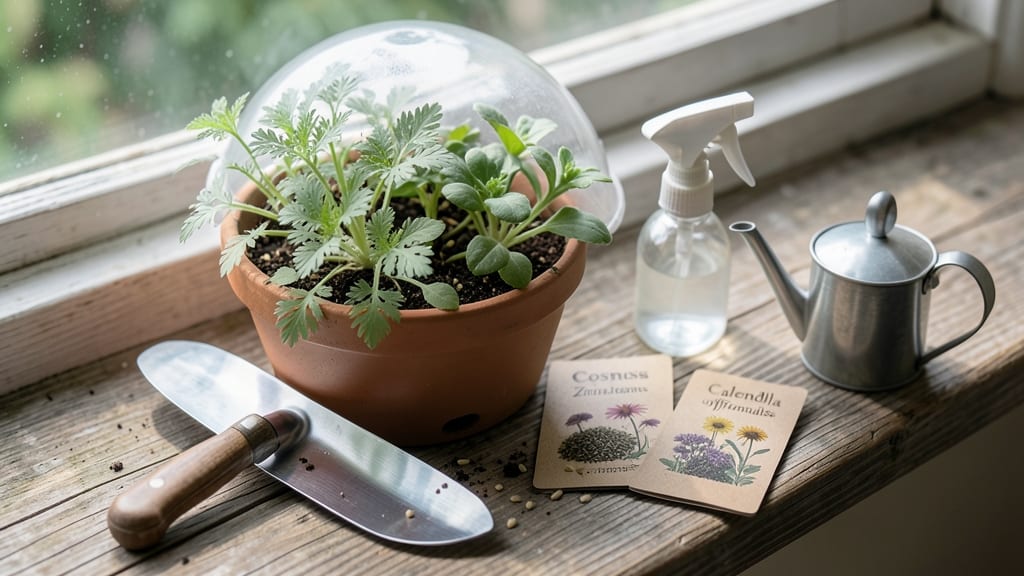
Growing wildflowers from seed in pots turns even a tiny balcony into a buzzing pollinator paradise. 🌼 I learned the hard way that wildflowers need good drainage and bright light—two things that trip up beginners every time.
The right pot and soil mix can mean the difference between a patchy bloom and a riot of color all season. Start with 6-inch-deep pots and a well-draining mix (half potting soil, half perlite or sand). Scatter seeds lightly—wildflowers don’t like being crowded—and press them just below the surface.
A spray bottle keeps them moist without drowning them, and 6 hours of sun daily ensures strong, sturdy stems. By midsummer, you’ll have neighborhood-jealousy blooms that attract bees, butterflies, and hummingbirds. The best part? Once established, these tough plants need almost no care—just occasional watering and deadheading spent flowers.
Works for window boxes, hanging baskets, or patio pots—no yard required. Here’s how to keep them thriving without the guesswork.
📚 In This Guide
- What you need
- Instructions
- Tips and common mistakes
- Wrapping up and next steps
What you need
- ● Wildflower seeds: Choose native or drought-tolerant varieties (e.g., cosmos, zinnias, or coneflowers). Aim for 1–2 teaspoons per 6-inch pot or follow seed packet instructions.
- ● Containers: Pots with drainage holes (4–6 inches deep). Terracotta or fabric pots work best—use 1–2 pots per seed packet for optimal spacing.
- ● Potting mix: A lightweight, well-draining blend (e.g., 50% peat or coconut coir + 50% perlite or sand). Avoid garden soil—it compacts too easily!
- ● Watering can or spray bottle: A gentle stream prevents seed displacement. Mist lightly to keep seeds moist without drowning them.
- ○ Clear plastic wrap or humidity dome: Optional but helpful for retaining moisture during germination (remove once sprouts appear!).
- ● Trowel or spoon: For planting seeds at the correct depth (¼ inch for most wildflowers).
- ○ Fertilizer (optional): A balanced, slow-release granular fertilizer (e.g., 10-10-10) or liquid seaweed extract for a gentle boost.
- ● Plant labels: Mark pots with seed names and planting dates to track growth.
- ○ Sunlight meter (optional): Ensures your pots get the right light conditions (most wildflowers thrive in 6+ hours of sunlight).
Step-by-step instructions for growing wildflowers in pots
Here’s how to coax vibrant wildflower blooms from tiny seeds—with the right balance of light, soil, and patience.
🌱 Step 1: Choose the Right Containers and Soil Mix
Wildflowers thrive in pots with at least 6 inches of depth and multiple drainage holes—no soggy roots allowed. I use unglazed clay pots for their breathability, but any container with drainage works. Fill each pot with a lightweight, well-draining mix (equal parts potting soil, perlite, and sand). This prevents compaction and mimics wildflower habitats.
Moisten the mix until it’s evenly damp but not waterlogged—think of a wrung-out sponge. Press it down gently to remove air pockets, but don’t pack it tight. Wildflower seeds need loose soil to push through easily. If your mix feels heavy, add 10% more perlite to improve aeration.
🌱 Step 2: Scatter Seeds and Lightly Cover
Wildflower seeds are tiny, so don’t bury them deep. Sprinkle them sparingly over the soil surface—most seeds need light to germinate. A light dusting of fine sand (just enough to obscure them) keeps seeds in place without smothering. For larger seeds like poppies, press them ¼ inch deep into the soil.
Mist the soil gently with a spray bottle until the surface is damp. Avoid heavy watering—it washes seeds away or buries them too deep. Place pots in a shaded tray to retain moisture while seeds germinate. Most wildflowers sprout in 10-21 days, but some may take longer. Patience is key here.
☀️ Step 3: Provide Balanced Sunlight Gradually
Wildflowers need full sun (6+ hours daily), but seedlings can’t handle intense light right away. Start with bright, indirect light for the first week, then move pots to partial sun. After 2-3 weeks, transition them to direct sunlight for 4-6 hours daily, gradually increasing exposure over 7-10 days. Sudden full sun burns tender leaves.
Rotate pots quarter-turn weekly so plants grow upright instead of leaning. You’ll see leggy growth if light’s insufficient—those plants need immediate relocation to a sunnier spot. Once seedlings have 2-3 true leaves, they’re ready for full sun. Just watch for wilting—a sign they need more shade temporarily.
💧 Step 4: Water Deeply but Infrequently
Wildflowers hate soggy roots, so water deeply but less often. Let the top inch of soil dry out between waterings—stick your finger in to check. Water at the base (not overhead) to prevent fungal diseases. Most pots need watering every 3-5 days in warm weather, but adjust for humidity and pot size.
Once seedlings are 2 inches tall, reduce watering slightly. Overwatering causes damping-off, a fungal rot that collapses stems overnight. If leaves yellow or wilt, cut back on water and ensure pots drain freely. Wildflowers are drought-tolerant once established—underwatering is better than overwatering at this stage.
✂️ Step 5: Thin and Fertilize Lightly
When seedlings are 1-2 inches tall, thin them to stand 1-2 inches apart—crowding weakens plants. Use scissors to snip excess seedlings at soil level (don’t pull—they’ll disturb roots). This step is brutal but necessary for strong blooms. Keep 2-3 of the healthiest seedlings per pot (depending on variety).
Wildflowers don’t need much fertilizer—too much makes them leggy. After thinning, add a light layer of compost (¼ inch) to the soil surface. This provides slow-release nutrients without burning tender roots. Avoid chemical fertilizers; wildflowers thrive in low-fertility conditions, just like their natural counterparts.
Tips & tricks for perfect wildflower pots
Here's what nobody tells you about nurturing wildflowers from seed—these tricks will help you avoid common pitfalls and grow a thriving pot garden.
Soil Science: The secret to successful germination lies in that perfect soil mix. I learned this the hard way after struggling with compacted soil that prevented sprouting. That equal parts potting soil, perlite, and sand ratio is non-negotiable—it creates the ideal air-to-moisture balance wildflower seeds crave. For even better results, sift your mix through a fine mesh screen before planting to eliminate any large clumps that could smother tiny seedlings.
Light Transition Strategy: Those first two weeks of gradual light exposure are critical. I recommend setting up a simple light rotation system using a small rotating tray or even a lazy Susan. This allows you to easily move pots between bright indirect light and partial sun without disturbing the delicate seedlings. Watch for leaves that look pale or stretched—they're telling you it's time to increase light exposure. For indoor growers, a south-facing window with sheer curtains provides perfect conditions during this transition phase.
Watering Wisdom: The finger test is your best friend when watering wildflowers. Stick your finger about an inch into the soil—if it feels completely dry, it's time to water. I've found that using a watering wand with a gentle spray setting gives me more control than a regular watering can. For the first 10 days after germination, I water from the bottom by placing pots in a shallow tray of water for 10 minutes. This prevents disturbing the seeds while ensuring even moisture distribution.
Thinning Technique: When it comes time to thin your seedlings in Step 5, I've developed a two-step process that minimizes stress. First, use a pencil to gently trace a circle around each seedling you want to keep, about 1-2 inches from the center. Then, use sharp scissors to snip the unwanted seedlings at soil level. This method prevents disturbing the roots of your chosen plants while removing competition. The key is to do this on a dry day when the soil is firm—wet soil makes the plants more fragile.
Pro Tips for Growing Wildflowers From Seed In Pots
- Here's what nobody tells you about nurturing wildflowers from seed—these tricks will help you avoid common pitfalls and grow a thriving pot garden.
- Soil Science: The secret to successful germination lies in that perfect soil mix.
- Light Transition Strategy: Those first two weeks of gradual light exposure are critical.
Frequently asked questions
Got questions about growing wildflowers from seed in pots? You’re not alone! Here are some of the most common queries—and their answers—to help you succeed.
Can I grow wildflowers from seed in small pots?
Wildflowers are tough and adaptable. Use pots at least 4–6 inches deep for most varieties, but shallow pots (3–4 inches) work for tiny seeds like poppies or larkspur. Just ensure they have drainage holes—wildflowers hate soggy roots!
How long does it take for wildflower seeds to sprout in pots?
Germination times vary wildly (pun intended!). Fast growers like cosmos sprout in 7–14 days, while stubborn perennials (e.g., black-eyed Susans) may take 3–4 weeks. Keep soil moist but not waterlogged, and place pots in warm, bright light (like a sunny windowsill) to speed things up.
Do wildflowers need full sun in pots?
Most wildflowers love sun, but pots can overheat! Aim for 6+ hours of sunlight daily, but move pots to partial shade (e.g., under a tree or patio umbrella) if leaves look scorched. South-facing windows or balconies are ideal for urban growers.
What if my wildflower seeds don’t sprout?
Don’t panic! Try these fixes:
- Check moisture: Some seeds need consistent dampness (spritz lightly with water).
- Test light: Move pots to a warmer, sunnier spot—some seeds need heat to germinate.
- Stratify stubborn seeds: Place pots in the fridge for 2–4 weeks to mimic winter (works for perennials like coneflowers).
- Verify freshness: Old seeds (over 1–2 years) may fail—buy new ones!
Can I transplant wildflower seedlings to the ground later?
Yes! Once seedlings have 2–3 true leaves (not just the first "seed leaves"), they’re ready to move. Harden them off by placing pots outside for 1–2 hours daily for a week before transplanting. Water deeply after moving to help them adjust.
Wrapping up and next steps
Growing wildflowers from seed in pots is a rewarding journey that brings vibrant color and life to your space—without the hassle of a full garden! 🌸 With the right balance of sunlight, drainage, and care, you’ll soon enjoy a thriving mini-ecosystem on your balcony, patio, or windowsill.
The key takeaway? Start small, stay consistent, and embrace patience—your wildflower blooms will thank you!
Ready to take the next step? Once your wildflowers are flourishing, consider expanding your collection or even creating a pollinator-friendly garden. Happy growing—your future blooms are waiting! 🌿