
Propagation
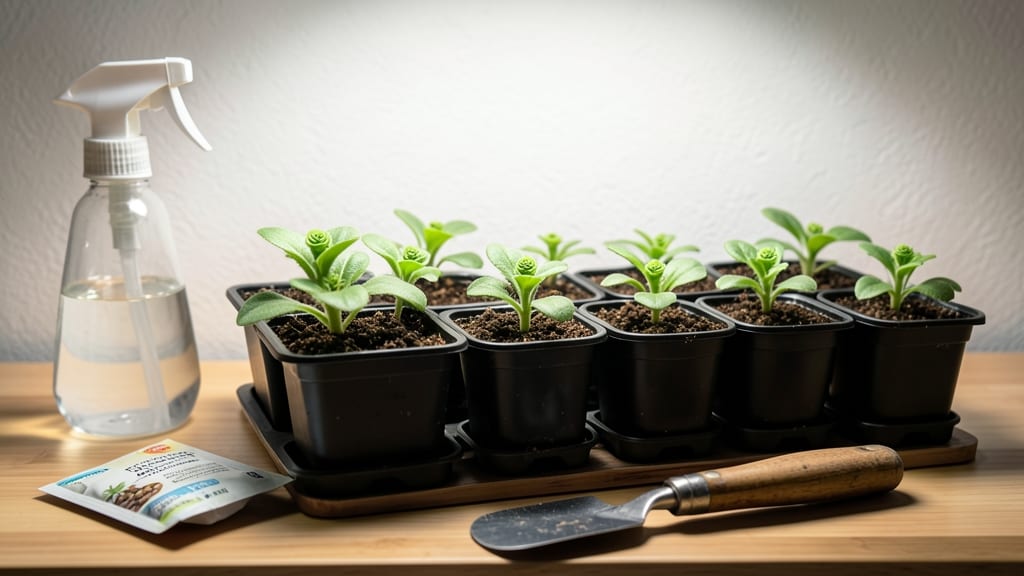
Growing zinnias from seed indoors means bright blooms in just 6-8 weeks—no more waiting for store-bought plants that never quite match the pictures. ✨ The secret lies in warm soil, consistent moisture, and a sunny windowsill (or grow light) that tricks the seeds into thinking it's spring.
I've started zinnias indoors for five years now, and my secret weapon? A simple setup that even my black thumb can't mess up.
You'll need just three things: a shallow tray, a mix of potting soil and perlite (for drainage), and a spray bottle. No fancy equipment—just patience.
The seeds germinate fastest in 70-75°F soil, so pop the tray on top of your fridge or use a seedling heat mat if your home runs cool. Once sprouted, keep them under 12-14 hours of light daily to prevent leggy, weak seedlings that flop over when transplanted.
By the time you're ready to move them outdoors, your zinnias will be stocky, dark-green powerhouses with true leaves (not just the first baby leaves). The first blooms arrive 8-10 weeks after sowing, and they keep producing all summer long—just pinch back the dead flowers to encourage more.
The best part? You'll have varieties your local nursery won't carry, like the deep red 'Benary's Giant' or the sunny 'Crystal' series.
Works for any indoor space, from sunny kitchens to basement setups with grow lights. The key is consistency: water when the top inch of soil feels dry, and never let them sit in soggy soil.
Once hardened off (that's just letting them adjust to outdoor conditions), they'll thrive in full sun and bloom until frost. Ready to grow your own rainbow?
📚 In This Guide
- What you need
- Instructions
- Tips and common mistakes
- Wrapping up and next steps
What you need
- ● Zinnia seeds: Choose a fast-growing variety like Benary’s Giant or Profusion (start with 5–10 seeds for a small batch).
- ● Seed trays or pots: 2–4" deep with drainage holes (4–6 trays or 1–2 pots per batch).
- ● Seed starting mix: Lightweight, sterile potting soil (avoid garden soil—it’s too dense!).
- ● Grow lights or sunny windowsill: 12–16 hours of light daily (LED grow lights work best).
- ● Spray bottle: For gentle watering (avoid over-saturating seeds!).
- ● Plastic wrap or humidity dome: To retain moisture while seeds germinate.
- ○ Heat mat (optional but helpful): Keeps soil warm (70–75°F) for faster germination.
- ● Seedling heat mat: Speeds up germination by 2–3 days.
- ● Fertilizer (diluted): Use a balanced liquid fertilizer (5-5-5 or 10-10-10) after sprouts appear.
- ● Grow tent or cloche: Protects seedlings from drafts if your space is chilly.
- ● Plant labels: Track varieties and planting dates (trust us, it helps!).
Step-by-step instructions for growing zinnias indoors
Here's how to get those vibrant blooms started indoors—fast and foolproof.
🌱 Step 1: Prepare Your Containers and Soil
Zinnia seeds germinate best in warm, loose soil. Fill your 4-inch diameter containers (one per seedling) with a mix of 50% seed-starting mix and 50% perlite—this keeps roots aerated. Moisten the mix until it feels like a damp sponge, but don’t drench it. Press down lightly so the surface is firm enough to support tiny roots.
I like to use biodegradable pots because they eliminate transplant shock later. If you’re reusing containers, sanitize them with a 10% bleach solution to prevent damping-off disease. The soil should feel warm to the touch—zinnias thrive when soil temps stay above 65°F.
🌱 Step 2: Sow Seeds at the Right Depth
Zinnia seeds are tiny but pack a punch. Scatter 1-2 seeds per pot on the soil surface—don’t bury them. They need light to germinate, so just press them gently into the top layer. Cover with a thin layer of vermiculite (about 1/8 inch deep) to hold moisture without smothering the seeds.
Mist the surface with a spray bottle until the vermiculite looks damp. Place the pots in a clear plastic bag or under a humidity dome to trap warmth. Keep them in a spot where temps stay between 70-75°F—a sunny windowsill or under a heat mat works best. You’ll see sprouts in 5-7 days, but don’t be surprised if they take up to 10 days in cooler rooms.
☀️ Step 3: Provide Bright Light Immediately
The moment those first green leaves appear, move the seedlings under grow lights or to the brightest window you have. Zinnias need 14-16 hours of light daily to stay strong. If you’re using a south-facing window, rotate the pots quarter-turn daily so they don’t lean toward the light.
Leggy seedlings are a red flag—this means your light isn’t strong enough. If stems stretch thin and leaves space out, move the light 2-3 inches closer or switch to a higher-wattage bulb. Healthy zinnias grow stocky with dark green leaves and no gaps between nodes.
💧 Step 4: Water and Fertilize for Strong Growth
Water from the bottom by setting the pots in ½ inch of water for 10 minutes. This prevents soil from splashing on leaves, which can cause fungal issues. Let the top ½ inch of soil dry out between waterings—overwatering is the #1 killer of young zinnias. Once the first true leaves appear (not the initial seed leaves), feed with a diluted liquid fertilizer (half-strength) every 2 weeks.
Watch for yellowing leaves—this usually means you’re overwatering or the soil lacks nutrients. If you see wilting in the afternoon, the roots need more water. But if the soil feels damp and leaves still droop, your zinnias might be root-bound or need more light.
⏰ Step 5: Harden Off and Transplant Outdoors
When seedlings have 4-6 true leaves and are 3-4 inches tall, it’s time to harden them off. Start by placing them outside in a sheltered spot for 1 hour daily, gradually increasing time over 7-10 days. Choose a cloudy day for the first session to avoid sunburn.
Transplant after the last frost when soil temps reach 55°F. Dig holes twice as wide as the root ball and space plants 12 inches apart for full sun exposure. Water deeply after planting to settle the soil. Your zinnias will bloom in 6-8 weeks—just keep deadheading spent flowers to encourage more blooms!
Tips & tricks for perfect indoor zinnia growth
Want those vibrant zinnias to thrive indoors without the guesswork? These insider tips will help you skip the common pitfalls and get blooms faster.
Soil Temperature Secret: Zinnias love warmth—keep your soil consistently above 65°F for best germination. I place my seed-starting trays on a heat mat set to 75°F to speed up sprouting. If your home stays cooler, consider using a seedling heat mat or placing pots on top of your fridge (not inside). The key is maintaining that cozy environment until those first green shoots appear.
Lighting Game-Changer: Those 14-16 hours of light daily are non-negotiable, but quality matters just as much as quantity. If you notice leggy seedlings stretching toward your window, you're not providing enough light intensity. Try moving your grow lights 2-3 inches closer or switching to full-spectrum LED bulbs. I've had great success with a simple 24-watt T5 grow light—it's affordable and packs plenty of punch for tiny seedlings.
Watering Wisdom: The 10-minute bottom-watering method in Step 4 is brilliant, but timing matters. I water my zinnias in the morning so any excess moisture evaporates during the day. Overwatering is the silent killer—let that top ½ inch of soil dry out between sessions. Pro tip: Use a spray bottle to mist the soil surface after planting to keep it consistently damp without drowning the seeds.
Harden Off Like a Pro: When it's time to harden off, I start with 30 minutes on day one rather than the full hour. This gradual approach prevents shock while still acclimating your plants. Watch for any wilting—if you see it, bring them back inside immediately. On cloudy days, you can extend the outdoor time since there's no risk of sunburn. Remember, the goal is to build resilience, not create stress.
Pro Tips for Growing Zinnias From Seed Indoors
- Want those vibrant zinnias to thrive indoors without the guesswork? These insider tips will help you skip the common ...
- Soil Temperature Secret: Zinnias love warmth—keep your soil consistently above 65°F for best germination. I place my ...
- Lighting Game-Changer: Those 14-16 hours of light daily are non-negotiable, but quality matters just as much as quant...
Frequently asked questions
Got questions about growing zinnias from seed indoors? You’re not alone—here are some of the most common ones, answered for you!
How long does it take for zinnia seeds to germinate indoors?
Zinnia seeds typically sprout within 7–14 days indoors, depending on warmth and moisture. Keep the soil consistently moist (not soggy) and maintain a cozy 70–75°F (21–24°C) environment with a heat mat if needed. Patience is key—some stubborn seeds may take up to 3 weeks!
Can I start zinnia seeds too early indoors?
Yes, but avoid starting more than 8–10 weeks before your last frost date. Overcrowding in small containers can lead to leggy, weak seedlings. If you’re eager, opt for slow-release fertilizer or a grow light to prevent stretching. Transplant outdoors when soil warms up!
Why aren’t my zinnia seeds sprouting?
Common culprits include cold soil (zinnias need warmth), dry conditions, or old seeds (viability drops after 2–3 years). Try pressing seeds lightly into moist soil (they need light to germinate!) and placing the tray in a bright, warm spot. If still no luck, test a few seeds in damp paper towels.
Should I use grow lights or natural sunlight for indoor zinnia seedlings?
Grow lights are ideal for consistent, 12–16 hours of light daily to prevent leggy growth. If using natural sunlight, place seedlings in a south-facing window (or rotate containers daily). Avoid cold drafts near windows—zinnias thrive in warmth but not direct heat sources like radiators.
Can I transplant zinnia seedlings too soon?
Wait until seedlings have 2–3 true leaves and are at least 2–3 inches tall. Harden them off 7–10 days before moving outdoors by gradually exposing them to outdoor conditions. Plant in well-draining soil and space them 12–18 inches apart—zinnias hate competition!
Still stumped? Drop your question in the comments—we’re happy to help your zinnias bloom bright and early!
Wrapping up and next steps
Growing zinnias from seed indoors is a rewarding journey that brings vibrant blooms into your life with just a little patience and care! 🌱 By following these steps—from selecting the right seeds to providing optimal light and warmth—you’ll set yourself up for fast germination and lush, colorful flowers.
Remember, consistency is key, whether it’s keeping those seeds cozy under grow lights or gently thinning seedlings to avoid overcrowding.
Now that you’re armed with the know-how, why not take the next step? 🌸 Grab your supplies, start those seeds, and soon you’ll be enjoying a burst of zinnia brilliance—whether you’re transplanting them outdoors or keeping them thriving as indoor stars. Happy growing! 🌻