Propagation
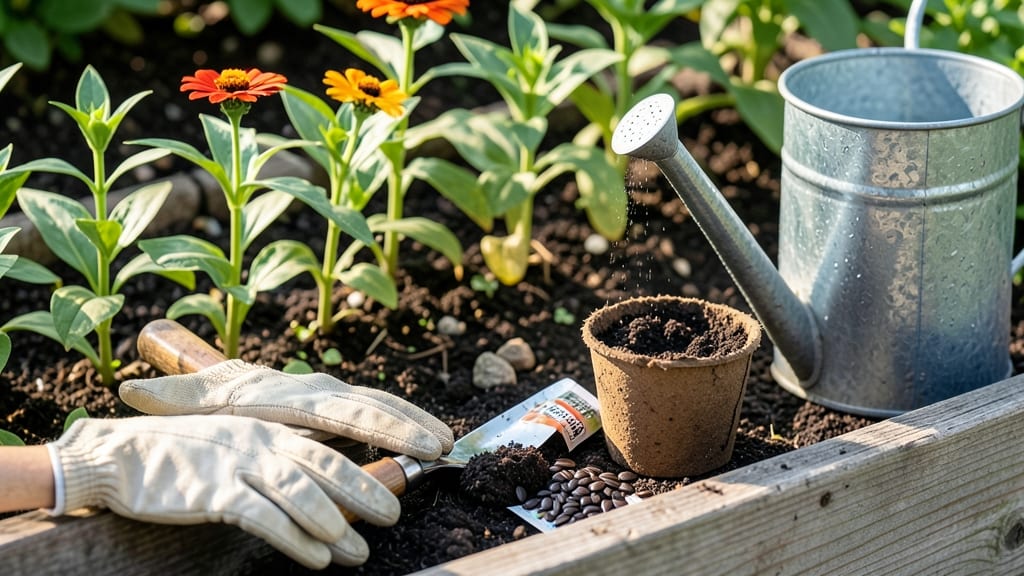
Growing zinnias from seed outdoors delivers vibrant blooms that brighten any garden in just 6-8 weeks—no fancy greenhouse needed. 🌻 I’ve grown them from seed for years, and the secret is timing: plant after your last frost when soil warms to 60°F, and you’ll skip the leggy seedlings that plague indoor starts.
The first flush of blooms arrives right when summer heat peaks, giving you weeks of bold color. Zinnias thrive in full sun and well-draining soil, but they’re surprisingly forgiving. Scatter seeds ¼-inch deep, 6–12 inches apart, and keep them moist until sprouts appear in 7–14 days.
The key is consistent watering—zinnias hate soggy roots but wilt fast if dried out. Once established, they’re drought-tolerant and bloom nonstop with minimal fuss. By mid-summer, you’ll have football-sized blooms in every color, attracting butterflies and hummingbirds.
Deadhead spent flowers to encourage more blooms, and watch your garden transform into a pollinator paradise. The best part? Zinnias self-seed easily, so next year’s garden might just paint itself. Perfect for beginners, small spaces, or anyone tired of store-bought flowers that wilt in a week.
Let’s get those seeds in the ground—your summer garden will thank you!
📚 In This Guide
- What you need
- Instructions
- Tips and common mistakes
- Wrapping up and next steps
What you need
- ● Zinnia seeds: Choose heirloom or hybrid varieties (e.g., 'Benary’s Giant,' 'Profusion,' or 'Zahara'). Plant 3-5 seeds per spot for thicker blooms.
- ● Well-draining potting mix: 10-12 inches deep for seed-starting trays or direct-sow into garden soil (loamy, slightly sandy, with pH 6.0-7.0).
- ○ Containers (optional for early starts): Seed-starting trays with cell packs (2-3 inches deep) or biodegradable pots.
- ● 1-2 trays (if starting indoors 4-6 weeks before last frost).
- ● Garden soil (if direct-sowing): Amend with 1-2 inches of compost to enrich nutrients.
- ● Hand trowel or transplanting spade (for digging seed holes or transplanting seedlings).
- ● Spray bottle or watering can with a fine rose nozzle (to avoid disturbing seeds).
- ○ Garden gloves (optional but handy for messy soil!).
- ● Plant labels & markers (to track varieties and planting dates).
- ○ Row cover or shade cloth (optional): 30-50% shade for seedlings if in hot climates.
- ● Sunlight: Full sun (6-8+ hours daily)—zinnias thrive in warmth!
- ● Last frost date: Wait until 2-3 weeks after for direct sowing (or start indoors earlier).
- ● Water source: Consistent moisture (but avoid soggy soil).
Step-by-Step instructions for growing zinnias from seed outdoors
Here's how to transform tiny seeds into vibrant summer blooms in your garden.
🌱 Step 1: Prepare the Soil and Plant the Seeds
Zinnias thrive in well-draining soil with plenty of sunlight, so choose a spot that gets 6-8 hours of direct sun daily. Work in a 2-3 inch layer of compost to enrich the soil before planting—zinnias are heavy feeders and need nutrients to produce those bold blooms. Loosen the soil to a depth of 6 inches with a garden fork to help roots establish easily.
Scatter seeds ¼ inch deep in rows spaced 12-18 inches apart. I like to use a small hand shovel to create shallow furrows, then sprinkle seeds thinly along them. Cover lightly with soil and pat gently to ensure good seed-to-soil contact. Planting too deep slows germination, so resist the urge to bury them deeper than necessary.
💧 Step 2: Water Gently and Maintain Moisture
Keep the soil evenly moist but not soggy during germination, which typically takes 7-14 days depending on your climate. Water gently with a fine spray nozzle or soaker hose to avoid displacing seeds. You’ll know moisture is right when the soil surface looks slightly damp but not glistening.
Once seedlings emerge, reduce watering frequency but increase depth—water at the base of plants to encourage deep root growth. Zinnias are drought-tolerant once established, but consistent moisture during the first 4-6 weeks ensures strong, healthy stems. Watch for wilting leaves; this is your signal to water deeply.
☀️ Step 3: Thin Seedlings and Provide Support
When seedlings reach 2-3 inches tall and have 2-3 true leaves, thin them to stand 6-12 inches apart, depending on the variety. Use scissors to snip unwanted seedlings at soil level—this prevents disturbing the roots of remaining plants. Stronger, spaced-out zinnias produce more robust blooms and better airflow, reducing disease risk.
Tall zinnias benefit from staking or cage support. Install stakes or cages 6-8 inches deep as soon as you thin seedlings. This prevents root disturbance later. You’ll see stems lean toward the light if support isn’t added early—don’t wait until they’re top-heavy with blooms.
✂️ Step 4: Deadhead and Encourage Continuous Blooms
Deadheading—removing spent blooms—is key to keeping zinnias flowering all season. Pinch or snip off faded flowers just above a set of leaves or new buds. I do this every 3-5 days during peak bloom time. This redirects the plant’s energy into producing fresh blooms instead of setting seed.
Fertilize lightly every 4-6 weeks with a balanced, water-soluble fertilizer to maintain vigor. Over-fertilizing leads to lush foliage but fewer flowers. Watch for yellowing leaves—this often signals over-fertilization or poor drainage. Adjust watering or fertilizer as needed to keep plants thriving.
Tips & tricks for growing zinnias from seed outdoors
Here's what I learned after growing zinnias for years—these details make all the difference between average blooms and show-stopping flowers.
Sunlight Strategy: The 6-8 hours of direct sun mentioned in Step 1 is non-negotiable for zinnias. If your garden gets less than 6 hours, grow zinnias in containers and move them to a sunny spot during peak daylight hours. Morning sun is ideal—afternoon heat can stress seedlings, so afternoon shade in hot climates helps prevent wilting during germination.
Germination Hack: During the 7-14 day germination window in Step 2, place a clear plastic dome or plastic wrap over your seeded rows to create a mini greenhouse effect. This traps moisture and warmth, often cutting germination time by half. Remove the cover once sprouts appear to prevent mold. I've seen germination drop from 14 days to just 5 days with this trick!
Thinning Technique: When thinning seedlings in Step 3, don't pull them—snip at soil level with clean scissors. This prevents disturbing the roots of your remaining plants and gives you a clear view of what you're working with. I also recommend thinning on a cloudy day to reduce stress on the plants. The 2-3 inch height guideline is perfect—any taller and you risk damaging their delicate stems.
Deadheading Timing: The 3-5 day deadheading schedule in Step 4 works wonders, but here's the secret: do it early in the morning when flowers are still slightly damp. This makes the stems easier to grasp and reduces the chance of spreading fungal diseases that thrive in evening moisture. I keep a small pair of sharp pruners in my gardening apron for quick snipping sessions.
Pro Tips for Growing Zinnias From Seed Outdoors
- Here's what I learned after growing zinnias for years—these details make all the difference between average blooms and show-stopping flowers.
- Sunlight Strategy: The 6-8 hours of direct sun mentioned in Step 1 is non-negotiable for zinnias.
- Germination Hack: During the 7-14 day germination window in Step 2, place a clear plastic dome or plastic wrap over your seeded rows to create a mini greenhouse effect.
Frequently asked questions
Got questions about growing zinnias from seed?
Here are answers to the most common ones—so you can dive in with confidence!
When is the best time to plant zinnia seeds outdoors?
Plant zinnia seeds after the last frost when soil temperatures reach at least 60°F (15°C). In most regions, this is late spring to early summer. Zinnias are not frost-tolerant, so wait until nighttime temps stay above 50°F (10°C) to avoid seed rot. For a longer bloom season, sow seeds every 2-3 weeks until mid-summer!
How often should I water zinnia seedlings?
Keep soil consistently moist but not soggy—especially for young seedlings. Water deeply 1-2 times per week, aiming for the base of plants (not the leaves) to prevent fungal diseases. Once established, zinnias are drought-tolerant, so reduce watering to once a week unless your area is extremely hot or dry. Pro tip: Mulch around plants to retain moisture and suppress weeds!
Why aren’t my zinnia seeds germinating? Troubleshooting tips.
If seeds aren’t sprouting within 7-14 days, check these common issues:
- Cold soil: Zinnias need warmth (60°F+) to germinate. Try covering seeds with black plastic or planting in a sunny, sheltered spot.
- Too deep: Plant seeds only ¼ inch deep—they need light to sprout!
- Old seeds: Zinnia seeds lose viability after 1-2 years. Test freshness by soaking seeds overnight; if they swell, they’re likely good.
- Pests/disease: Fungal issues (like damping-off) can kill seedlings. Use seed-starting mix and avoid overhead watering.
Can I grow zinnias from seed indoors first?
Yes! Start seeds 4-6 weeks before the last frost indoors under grow lights (zinnias need 12+ hours of light/day). Use small pots with well-draining soil and keep temps around 70°F (21°C). Harden off seedlings for 1 week before transplanting outdoors. Warning: Zinnias hate transplant shock, so handle seedlings gently and plant deeply (up to the first true leaves) to encourage strong roots.
How do I encourage more blooms on my zinnias?
Zinnias are self-cleaning (they drop spent blooms naturally), but you can boost production with these tricks:
- Deadhead lightly: Remove only the faded flowers (not the seed heads) to redirect energy to new blooms.
- Fertilize lightly: Use a balanced, low-nitrogen fertilizer (like 10-10-10) every 4-6 weeks.
- Prune for bushiness: Pinch back tall stems when seedlings are 6 inches tall to encourage branching.
- Attract pollinators: Plant zinnias near marigolds or sunflowers to invite bees and butterflies!
Wrapping up and next steps
Growing zinnias from seed outdoors is a rewarding and fast way to add vibrant color to your garden—no fancy skills required! With just a little patience and the right conditions, you’ll enjoy bold blooms in as little as 6-8 weeks.
Whether you’re a beginner or a seasoned gardener, these cheerful flowers are the perfect project to bring life to your outdoor space.
Now that you’re armed with tips and tricks, grab those seeds and get planting! Ready for even more gardening adventures? Try experimenting with succession planting or explore other easy-to-grow annuals like sunflowers or marigolds. Happy growing! 🌸🌞