
Lawn
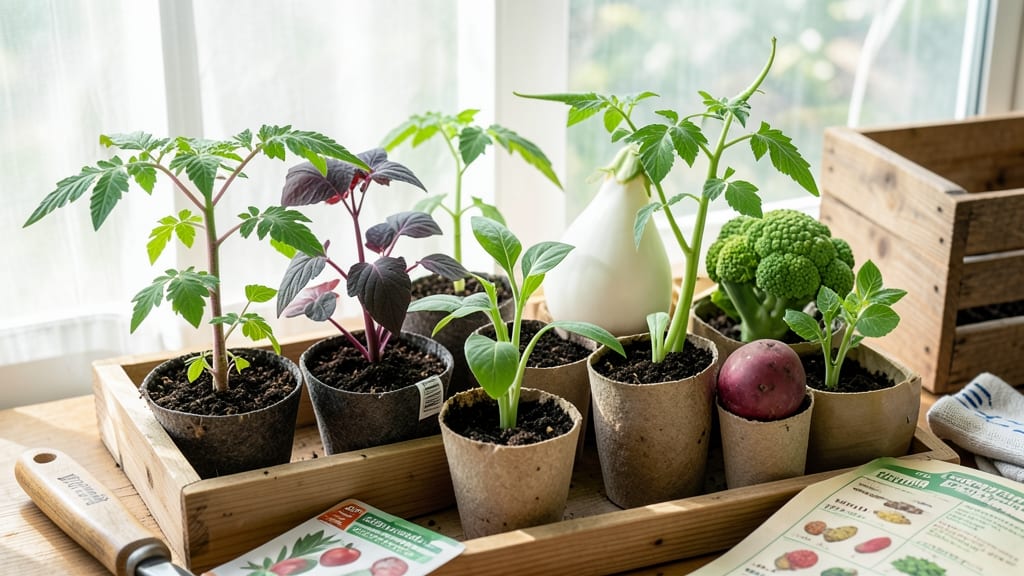
Finding the perfect heirloom vegetable seed companies can feel overwhelming—until you know where to look. 🌱 My first year growing heirloom tomatoes from Baker Creek seeds changed everything: juicy, flavor-packed fruits that tasted nothing like store-bought.
These companies specialize in rare varieties that bring real depth to your garden, from disease-resistant heirlooms to heirlooms with stunning colors and textures.
The best seed companies go beyond just offering seeds—they provide detailed growing guides, organic certifications, and even seed-saving tips. Baker Creek, for example, offers over 1,500 varieties, while Seed Savers Exchange focuses on preserving biodiversity with heirlooms that have been grown for generations.
High Mowing Seeds stands out for its organic and non-GMO guarantees, ensuring you’re starting with the highest-quality seeds for your garden.
You’ll end up with vegetables that aren’t just productive but also packed with flavor and history—think deep purple carrots, striped eggplants, or heirloom beans that snap back to life after frost. These seeds often outperform hybrids in taste and adaptability, making them worth the investment for any serious gardener.
Once you’ve chosen your seeds, you’ll want to explore seed-saving techniques to keep these rare varieties alive for future seasons. Whether you’re growing in containers, raised beds, or your backyard plot, heirloom seeds are the gateway to a garden that’s as unique as it is delicious.
📚 In This Guide
- What you need
- Instructions
- Tips and common mistakes
- Wrapping up and next steps
What you need
- ● Heirloom seeds: Purchase from trusted heirloom vegetable seed companies (see recommendations in the article!). Aim for 1–2 varieties per season to start.
- ● Seed packets: Opt for organic, non-GMO, and open-pollinated seeds (5–10 packets to cover different crops).
- ● Growing containers: Seedling trays (biodegradable or plastic, 10–20 cells per tray).
- ● Seed pots (2–3 inch diameter, 10–15 units).
- ● Garden beds or raised planters (6–12 inches deep, depending on plant type).
- ● Growing medium: Seed-starting mix (sterile, lightweight, 5–10 cubic feet).
- ● Potting soil (organic, well-draining, 1–2 bags).
- ○ Compost (optional, for enriching soil).
- ● Watering tools: Spray bottle (for seedlings).
- ● Watering can (with a fine rose nozzle).
- ● Basic tools: Hand trowel (for transplanting).
- ● Gloves (gardening-specific, for comfort).
- ● Pruners (small, sharp pair for harvesting).
- ● Grow lights (LED, full-spectrum, for indoor seed starting).
- ● Heating mat (for cold climates, to speed up germination).
- ● Label markers (to track seed varieties and planting dates).
- ● Row covers or cloches (for frost protection).
- ● Organic fertilizers (compost tea, fish emulsion, or worm castings).
How to select the best heirloom vegetable seed companies
Finding reliable sources for rare, organic heirloom seeds takes research—but these trusted companies simplify the hunt.
🌱 Step 1: Prioritize Companies with Organic and Non-GMO Certifications
Look for seed companies that explicitly state their seeds are organic and non-GMO. Baker Creek Heirloom Seeds and Seed Savers Exchange are industry leaders, offering extensive catalogs of open-pollinated varieties that preserve genetic diversity. Their certifications ensure you’re getting seeds free from synthetic chemicals and genetic modification, which is critical for maintaining heirloom integrity.
I always check for third-party organic certification labels or statements about chemical-free growing practices. Some companies, like High Mowing Seeds, even provide detailed organic growing guidelines with their seed packets. This transparency builds trust and ensures your plants will thrive without hidden contaminants.
🌿 Step 2: Evaluate Seed Availability and Rare Varieties
Not all heirloom seed companies carry the same rare varieties, so cross-reference your target crops with their catalogs. Companies like Southern Exposure Seed Exchange specialize in heat-tolerant and drought-resistant heirlooms, perfect for specific climates. Meanwhile, Territorial Seed Company excels in cold-hardy varieties suited for northern gardens.
I recommend starting with companies that offer seed-saving guides—this indicates their commitment to preserving genetic heritage. For example, Seed Savers Exchange provides historical context for each variety, explaining its origins and growing conditions. This depth of information helps you choose seeds that align with your garden’s microclimate and goals.
✂️ Step 3: Compare Pricing and Bulk Options
Heirloom seeds can be pricier than conventional varieties, so compare pricing per packet across companies. Some, like Peaceful Valley Farm Supply, offer bulk discounts or multi-packet deals, making it cost-effective to stock up on favorites. Always factor in shipping costs—some companies provide free shipping on orders over a certain amount, which can add up quickly.
I also watch for seasonal sales or loyalty programs. Companies like Johnny’s Selected Seeds often run promotions for new customers or offer discounts on second orders. Keeping an eye on these can save you 20-30% on your seed budget without compromising quality.
💧 Step 4: Read Customer Reviews and Trial Reports
Before committing, dive into customer reviews to gauge germination rates and growing success. Baker Creek and Seed Savers Exchange have robust review sections where gardeners share real-world experiences with specific varieties. Look for patterns—if multiple reviewers mention poor germination or disease susceptibility, it’s a red flag.
I pay special attention to reviews from gardeners in my climate zone. For instance, if you’re in a short growing season, prioritize companies with high ratings for cold-tolerant varieties. This firsthand feedback helps avoid costly mistakes and ensures you’re selecting seeds that perform reliably in your conditions.
☀️ Step 5: Verify Seed-Saving and Seller Policies
Heirloom seeds are meant to be saved and shared, so choose companies with clear policies on seed saving. Seed Savers Exchange and Baker Creek explicitly allow seed saving and even provide instructions for proper storage and drying techniques. Others, like High Mowing, may restrict seed saving for certain varieties—always check their terms.
I also confirm return policies in case of poor germination or mislabeled seeds. Most reputable companies offer replacements or refunds for seeds that fail to sprout, but policies vary. For example, Territorial Seed Company guarantees replacements for seeds that don’t germinate within two growing seasons. This peace of mind makes the investment feel more secure.
Tips & tricks for choosing the best heirloom seed sources
Took me years of trial and error to learn these shortcuts—now I’ll save you the headache of researching the same way. Here’s what nobody tells you about selecting the most reliable heirloom seed suppliers.
Certification Verification: Don’t just trust a company’s word about being organic or non-GMO—look for third-party certifications like USDA Organic or Non-GMO Project Verified. I’ve seen companies make claims without proper documentation, and that’s when you risk getting seeds treated with neonicotinoids or other hidden chemicals. Baker Creek and Seed Savers Exchange are the gold standard here because they publish their certification details openly.
Climate-Specific Selection: Your local climate should dictate your seed choices. For example, if you’re in Zone 5 with short summers, prioritize companies like Territorial Seed Company that specialize in cold-hardy varieties. I once planted heat-loving tomatoes from a tropical-focused supplier in my Zone 6 garden—they bolted before producing fruit. Always check a company’s catalog for varieties labeled as "cold-tolerant" or "drought-resistant" when needed.
Review Pattern Recognition: When reading customer reviews, look for consistent themes rather than individual complaints. If 80% of reviewers mention poor germination for a particular variety, that’s a red flag regardless of how many 5-star reviews exist. I developed this habit after wasting $40 on a batch of seeds that only sprouted at a 30% rate. Focus on reviews from gardeners in your specific climate zone—they’ll give you the most relevant feedback.
Policy Deep Dive: Before purchasing, scrutinize a company’s seed-saving policies and return guarantees. Seed Savers Exchange and Baker Creek are particularly transparent about allowing seed saving, which is crucial for heirloom varieties. I learned this the hard way when I bought seeds from a company that later restricted seed saving—now I always check their terms before buying. Also verify if they offer replacements for seeds that fail to germinate, like Territorial Seed Company’s two-season guarantee.
Pro Tips for Heirloom Vegetable Seed Companies
- Took me years of trial and error to learn these shortcuts—now I’ll save you the headache of researching the same way.
- Certification Verification: Don’t just trust a company’s word about being organic or non-GMO—look for third-party certifications like USDA Organic or Non-GMO Project Verified.
- Climate-Specific Selection: Your local climate should dictate your seed choices.
Frequently asked questions
Got questions about heirloom vegetable seeds?
You’re not alone! Here are answers to the most common queries—from saving seeds to sourcing rare varieties—so you can grow with confidence.
What makes heirloom seeds different from hybrid or GMO seeds?
Heirloom seeds are open-pollinated, meaning you can save seeds from year to year for free! They’re also non-hybrid and non-GMO, preserving genetic diversity and often offering unique flavors or colors. Hybrids may produce stronger plants but require repurchasing seeds annually.
When is the best time to order heirloom seeds?
Order seeds 6–8 weeks before your last frost date to align with planting schedules. Many companies ship year-round, but popular varieties sell out fast—especially in early spring. Pro tip: Check seed packets for “days to maturity” to plan harvests!
Are heirloom seeds more expensive than conventional seeds?
Sometimes! Heirloom seeds often cost more per packet due to limited quantities and labor-intensive growing methods. However, you’ll save money long-term by saving seeds. Compare prices: A $3 heirloom tomato packet might yield seeds for 5+ years vs. $1 hybrid packets you’ll repurchase annually.
Can I save seeds from heirloom vegetables I grow?
Heirloom seeds are self-pollinating (like tomatoes, beans) or easily isolated (like squash). Just let a few plants mature fully, dry the seeds, and store them in a cool, dark place. Avoid hybrids—saved seeds won’t grow true to type.
How do I choose a reputable heirloom seed company?
Look for companies with organic certifications, transparent sourcing, and positive reviews. Top picks include Baker Creek Heirloom Seeds, Seed Savers Exchange, and High Mowing Organic Seeds. Always check return policies and seed viability guarantees!
What should I do if my heirloom seeds don’t germinate?
First, check seed age—most last 2–5 years. Try scarifying (lightly nicking the seed coat) or soaking in warm water for 24 hours. If still no luck, contact the company—they often replace non-viable seeds. Store seeds in a cool (32–40°F), dry place next time!
Wrapping up and next steps
Exploring heirloom vegetable seed companies opens the door to a world of rare, flavorful, and sustainable gardening. These trusted sources not only preserve biodiversity but also empower you to grow vibrant, organic produce right at home.
Whether you're a seasoned gardener or just starting, the next step is simple: pick a few unique seeds and let your garden bloom with history and heritage! 🌱✨
Ready to grow something extraordinary? Start your search today—your future harvest (and taste buds) will thank you!