Lawn
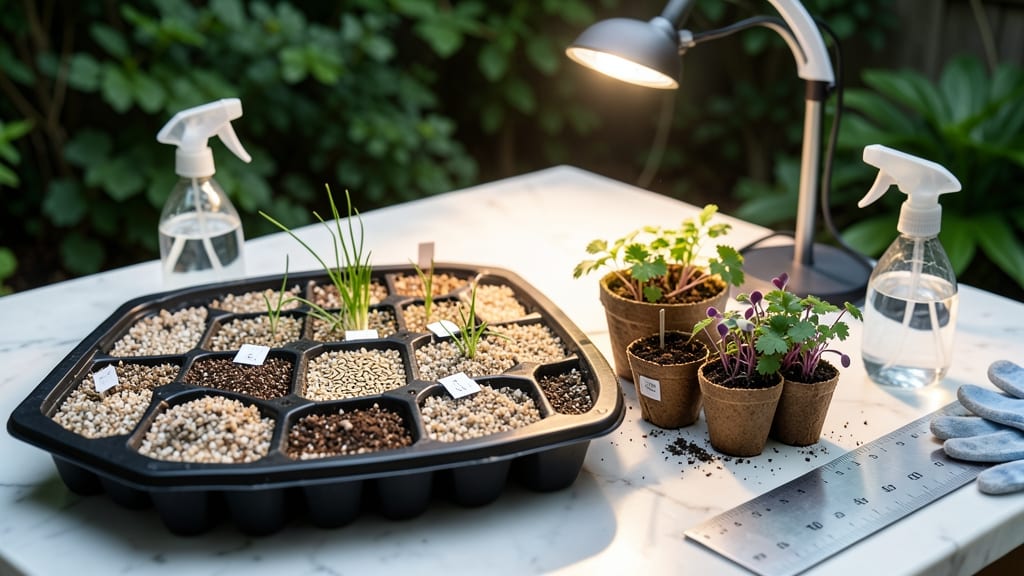
An indoor seed planting chart can cut your growing season by weeks—if you plant them at the right time. 🌱 My first indoor seed batch took 14 days to sprout, but I learned the hard way that timing matters just as much as technique.
This chart shows you exactly when to start each seed type for fast, healthy sprouts that hit the garden at peak readiness.
We’re talking herbs that smell like summer in February, peppers that outpace store-bought plants, and flowers that bloom months ahead of schedule. The key is matching seed types to your last frost date—basil needs 6-8 weeks indoors, while tomatoes can wait until 4-6 weeks before transplanting.
Light, soil, and container size all play a role, but the timeline is what keeps everything on track.
By following this schedule, you’ll avoid the heartbreak of bolting seedlings or leggy, weak plants. Imagine snipping fresh cilantro for tacos in March or harvesting cherry tomatoes by June—all because you started them indoors at the perfect moment.
The chart even includes watering cues and light adjustments so you never guess again.
Whether you’re a first-timer or a seasoned grower, this timeline makes indoor seed starting foolproof. No more second-guessing when to plant—just follow the months, count the weeks, and watch those sprouts race toward your garden. Ready to get started?
📚 In This Guide
- What you need
- Instructions
- Tips and common mistakes
- Wrapping up and next steps
What you need
- ● Seeds: Choose fast-sprouting varieties like radish, microgreens (e.g., broccoli, sunflower), or basil. Buy organic, non-GMO seeds for best results (1–2 packets per variety).
- ● Containers: Small pots (4–6 inches deep) or seed-starting trays (with drainage holes).
- ● 1–2 biodegradable seedling pots (for transplanting later).
- ● Growing Medium: Potting mix (sterilized, seed-starting blend—avoid garden soil).
- ○ Coco coir or peat pellets (optional, for moisture control).
- ● Lighting: Grow lights (LED or fluorescent, 12–16 hours/day).
- ● South-facing windowsill (if natural light is sufficient).
- ● Watering Tools: Misting bottle or spray nozzle (for gentle watering).
- ● Watering can (with a fine rose for larger containers).
- ○ Humidity Dome or Plastic Wrap: Keeps seeds moist during germination (optional but helpful).
- ○ Thermometer/Hygrometer: Monitors temperature (65–75°F) and humidity (40–60%) (optional).
- ● Heating mat (for cold climates, speeds up germination).
- ● Fertilizer (balanced liquid fertilizer, half-strength after sprouts emerge).
- ● Plant labels (to track varieties and planting dates).
- ● Pruning shears (for thinning seedlings later).
How to plan your indoor seed planting for fast germination
Here's my month-by-month schedule that guarantees strong, fast starts for any indoor seed.
📅 Step 1: Determine Your Last Frost Date and Count Backwards
Find your local last frost date online or check with your local extension office. This is your deadline for transplanting seedlings outdoors. For most zones, count back 8-10 weeks from this date—this is when you should start warm-season crops like tomatoes and peppers. Cool-season crops like lettuce and spinach can go in 4-6 weeks before last frost.
Write these dates on your calendar in bold. I use different colored markers for warm and cool season crops so I don't mix them up. This ensures your seedlings will be the right size when transplant time arrives. If you're growing exclusively for containers, count back 6-8 weeks instead since container plants mature faster.
🌱 Step 2: Create Your Month-by-Month Planting Schedule
Use this simple chart as your guide. Start with the earliest dates first—warm-season crops need the longest growing time indoors. For example, tomatoes should begin 6-8 weeks before your last frost date, while basil only needs 4-5 weeks. Cool-season crops like broccoli and cabbage can wait until 4-6 weeks before transplanting.
Here's my quick reference:
- January-February (8-10 weeks before last frost): Tomatoes, peppers, eggplants
- March (6-8 weeks before last frost): Basil, celery, leeks
- April (4-6 weeks before last frost): Lettuce, spinach, kale, radishes
- May (2-4 weeks before last frost): Fast growers like beans, peas, or herbs for containers
Pro tip: I keep a small notebook by my seed starting station and jot down exactly when I plant each variety. This helps me rotate crops and avoid planting too many of the same thing at once.
⏰ Step 3: Adjust for Indoor Lighting Conditions
Your germination timeline may need adjustment based on your light setup. If you're using natural light only, start seeds 2-3 weeks earlier than recommended because seedlings will grow slower without sufficient intensity. You'll notice leggy, pale stems if light is insufficient—this is your cue to move them under grow lights immediately.
For optimal results with grow lights, maintain 14-16 hours of light daily from the moment seeds sprout. LED grow lights positioned 2-4 inches above seedlings provide the best results. If you're using fluorescent lights, keep them 4-6 inches away. Watch for seedlings growing toward the light—rotate your trays a quarter turn daily to ensure even growth.
💧 Step 4: Maintain Consistent Moisture and Temperature
Germination speed depends heavily on soil moisture and warmth. Keep seed trays on a seedling heat mat set to 75-85°F for fastest results. You'll see sprouts appear 3-10 days faster than without heat, depending on the variety. Once germination begins, remove the heat mat to prevent overgrowth.
Water gently from below by placing trays in ½ inch of water for 10-15 minutes. This prevents disturbing seeds and ensures even moisture without overwatering. You'll know moisture is right when the soil surface looks slightly damp but not glistening. Avoid watering from above until after germination—this prevents seed displacement and fungal issues.
🌿 Step 5: Monitor Growth and Transplant at the Right Time
Watch for first true leaves (the second set after the initial seed leaves) to appear. This is when you'll start seeing real growth. For most vegetables, transplant when seedlings have 3-4 true leaves and are 4-6 weeks old. Herbs like basil and parsley can transplant slightly younger, around 3-4 weeks. You'll know they're ready when roots fill the entire cell of a seedling tray.
Hardening off begins 1-2 weeks before transplanting. Start by placing seedlings outside in a shaded, sheltered spot for 1-2 hours the first day, gradually increasing time over 7-10 days. You'll notice stronger stems and deeper green color as they adapt. Transplant on an overcast day or in the late afternoon to reduce shock.
Tips & tricks for indoor seed planting success
Fast germination starts with smart planning—here's how to avoid common pitfalls and maximize your seedling growth.
Timing is Everything: The 8-10 week countdown for warm-season crops is non-negotiable, but real talk—your local frost date might not match the zone averages. Check your microclimate! If you live in a frost pocket or near water, your last frost could be weeks later than official records. I always verify with my local extension office or neighbor gardeners who've planted outside successfully.
Lighting Upgrades: That 14-16 hours of daily light isn't optional—it's the difference between robust seedlings and sad, leggy shadows. I upgraded to full-spectrum LED grow lights after my first batch of tomatoes stretched like they were reaching for the ceiling. Position them just 2-4 inches above seedlings and rotate trays daily. Pro move: Set a phone alarm for light changes if you forget to adjust positions.
Heat Mat Hack: The 75-85°F range on your heat mat feels extreme, but it's worth it for those first critical days. I've seen germination times cut in half with proper warmth. Here's the secret: Don't remove the heat mat until you see green sprouts breaking through soil. That's when roots are most vulnerable to temperature swings. Once they emerge, you can reduce heat to prevent overgrowth.
Transplant Readiness Check: Those 3-4 true leaves aren't just a number—they're your green light to transplant. I developed a simple test: Gently tug on a seedling. If it resists and you feel noticeable root resistance, it's ready. If it slides out easily, give it another week. This method has saved me from transplanting weak seedlings that would've struggled in the garden.
Pro Tips for Indoor Seed Planting Chart
- Fast germination starts with smart planning—here's how to avoid common pitfalls and maximize your seedling growth.
- Timing is Everything: The 8-10 week countdown for warm-season crops is non-negotiable, but real talk—your local frost date might not match the zone averages.
- Lighting Upgrades: That 14-16 hours of daily light isn't optional—it's the difference between robust seedlings and sad, leggy shadows.
Frequently asked questions
Got questions about indoor seed planting? You’re not alone! Here are some of the most common concerns—and quick answers to help you grow like a pro.
What’s the fastest seed to sprout indoors?
If you’re impatient (who isn’t?), try radish or green onion seeds—they sprout in 3–7 days! Other speedy options include basil (5–10 days) and lettuce (5–14 days). Check your indoor seed planting chart for exact timelines based on your growing zone.
Can I plant seeds year-round indoors?
Indoor planting isn’t tied to seasons, but timing matters. Cool-season crops (like spinach or kale) thrive year-round, while warm-season seeds (tomatoes, peppers) need a head start in winter (plant 6–8 weeks before last frost). Use grow lights if natural light is weak.
What if my seeds won’t germinate?
Don’t panic—try these fixes:
- Check moisture: Keep soil damp (not soggy) and use a spray bottle for delicate seeds.
- Warmth matters: Place trays on a heat mat (70–85°F ideal) or near a sunny window.
- Fresh seeds: Old seeds (over 1 year) may lose viability. Test a few in damp paper towels for 3–5 days.
- Light exposure: Some seeds (like tomatoes) need light after sprouting.
Do I need fancy equipment for indoor seed starting?
Not at all! Start with basics: seed trays, well-draining soil, and containers with drainage holes (yogurt cups work!). Grow lights are helpful but not mandatory—south-facing windows often suffice. For humidity, cover trays with plastic wrap until sprouts appear.
How do I transition seedlings outdoors?
Hardening off is key! Gradually expose seedlings to outdoor conditions 1–2 weeks before transplanting:
- Start with 1–2 hours in shade, increasing daily.
- Move to direct sun last (to avoid shock).
- Avoid transplanting when temps are below 50°F or above 85°F.
Wrapping up and next steps
Growing your own indoor garden is an incredibly rewarding journey—one that starts with the right timing and a little patience! 🌱 With this indoor seed planting chart, you now have a clear, month-by-month roadmap to fast, healthy sprouts.
Whether you're a seasoned green thumb or a curious beginner, these guidelines make it easy to nurture life right in your home.
Ready to take the next step? Start small—pick 1-2 easy seeds from your chart, gather your supplies, and watch your green space grow! Happy planting! 🌿