Propagation
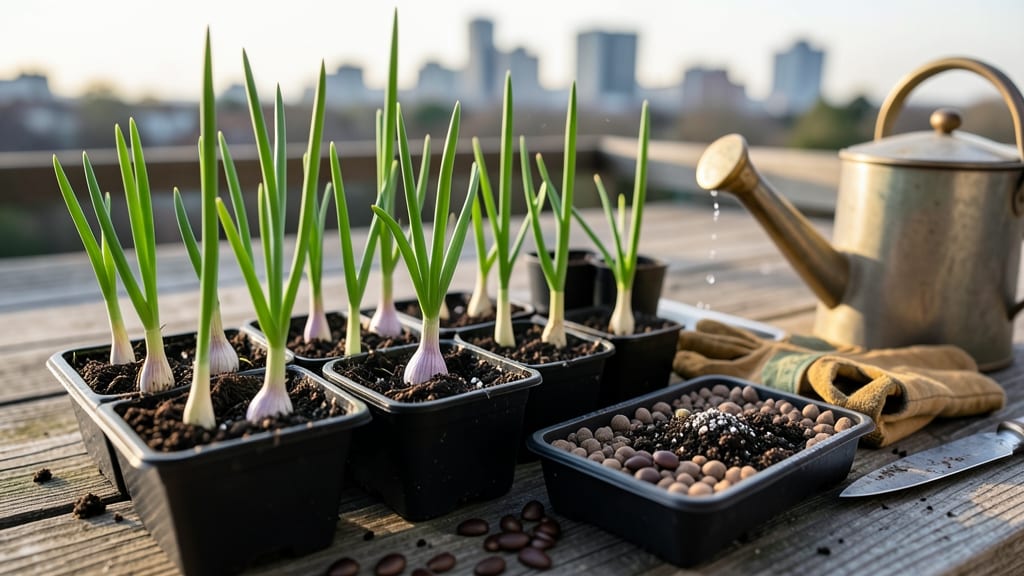
Growing onions from seed in pots lets you skip the grocery store entirely—just 10 weeks of sunlight and patience. 🌱 I’ve grown enough for a year from a single windowsill, and the secret isn’t fancy pots or expensive seeds, but timing and the right variety.
Short-day onions like ‘Texas Early White’ or ‘Yellow Sweet Spanish’ thrive in containers, while long-day types need more daylight hours to bulb properly.
The magic starts with shallow pots—at least 6 inches deep and wide enough to space seedlings 2 inches apart. Use well-draining potting mix (no garden soil), and plant seeds just ¼ inch deep in rows.
Keep the soil consistently moist but never soggy, and within 10-14 days, you’ll see those first green shoots pushing through. That’s when the real work begins—thinning, fertilizing, and watching as each plant grows into a full-sized onion.
By week 10, you’ll be harvesting plump, sweet onions that outperform anything you’ve bought in a store. The best part? You can grow them indoors near a sunny window, on a balcony, or even under grow lights.
Just avoid overcrowding—too many plants in one pot means small, weak bulbs—and watch for onion flies by keeping the area clean. With these steps, you’ll have a steady supply of homegrown onions year after year.
This method works for green onions too—just harvest the tops when they’re 6-8 inches tall and leave the roots in the pot. The plants will keep producing for months. Whether you’re new to gardening or just short on space, container onions are the easiest way to grow your own.
📚 In This Guide
- What you need
- Instructions
- Tips and common mistakes
- Wrapping up and next steps
What you need
- ● Onion seeds: Choose a variety suited for your climate (e.g., Yellow Granex or Red Creole). Aim for 1–2 packets (about 1,000–2,000 seeds) for a small harvest.
- ● Pots or containers: Use 5–6 inch deep pots (or larger) with drainage holes. 3–4 pots per 100 seeds is ideal.
- ● Potting mix: A well-draining, seed-starting mix (avoid garden soil). You’ll need about 1–2 gallons total.
- ● Watering can or spray bottle: For gentle, even moisture—avoid overwatering!
- ● Grow lights or sunny windowsill: Onions need 12–16 hours of light daily (grow lights are best for indoor setups).
- ● Plant labels & marker: To track varieties and planting dates.
- ● Seedling heat mat: Speeds up germination (especially in cool climates).
- ● Fertilizer (balanced or low-nitrogen): Use a diluted liquid fertilizer every 3–4 weeks after sprouting.
- ● Mulch (straw or peat moss): Helps retain moisture and regulate soil temperature.
- ● Tray or seedling flat: For organizing pots before transplanting.
- ● Pruning shears or small knife: For thinning crowded seedlings.
Step-by-Step instructions for growing onions from seed in pots
Here's how I turn tiny onion seeds into plump, flavorful bulbs in just 10 weeks—no green onions, just full-sized harvests.
🌱 Step 1: Choose the Right Containers and Fill with Soil
Use 6-inch deep pots with drainage holes—onion roots need room to spread. I like to use 4-inch square pots for each plant since they grow compactly. Fill each pot with 2-3 inches of well-draining potting mix (never garden soil—it compacts too much). Press the soil down gently so it's firm but not packed.
Onions hate soggy feet, so I always add a handful of perlite to the mix for extra drainage. Moisten the soil until it's damp but not dripping—you want it to hold moisture without creating puddles. Tap the pot lightly to settle the soil evenly before planting.
🌱 Step 2: Plant Seeds at the Correct Depth and Spacing
Sow 2-3 seeds per pot at a depth of ¼ inch—any deeper and they'll struggle to push through the soil. I use my fingertip to make small holes, drop in the seeds, then cover them lightly with more soil. Space the seeds about 1 inch apart to give each plant room to grow.
Here's the thing—onion seeds are tiny, so I tap the pot gently after planting to ensure good soil contact. Water lightly with a spray bottle until the soil surface is evenly moist. Don't overwater now—you'll know it's right when the soil looks damp but not glistening.
☀️ Step 3: Provide Consistent Light and Warmth for Germination
Onion seeds need warmth (65-75°F) and bright light to germinate. Place the pots in a sunny window or under grow lights for 12-14 hours daily. I use a seedling heat mat to keep the soil warm during germination—it speeds things up from 10-14 days to just 7-10 days.
Once the first true leaves appear (not the tiny seed leaves), remove the heat mat. You'll see them as thin, grass-like blades about 1-2 inches tall. This is when I thin the seedlings to the strongest one per pot—gently snip the extras at soil level with scissors to avoid disturbing the roots.
💧 Step 4: Maintain Moisture and Fertility for Bulb Development
Keep the soil consistently moist but never soggy—onions need steady water to form bulbs. I water when the top inch of soil feels dry, usually every 3-4 days depending on your climate. Too much water causes rot; too little stunts growth. A moisture meter helps here, but your finger works too.
After the plants develop 4-5 true leaves (about 4-6 weeks in), switch to a balanced fertilizer every 2-3 weeks. I use a half-strength dose to avoid burning the plants. You'll notice the leaves darken and thicken as the bulbs start forming underground—this is your cue that everything's working.
⏰ Step 5: Harvest When Leaves Yellow and Fall Over
Onions are ready to harvest when about half the leaves turn yellow and flop over, usually around 10-12 weeks from planting. Gently dig up the bulbs with a fork or your hands, being careful not to puncture them. Shake off excess soil and let them dry in a shady, well-ventilated spot for 1-2 weeks.
I cure my onions by laying them on a wire rack or hanging them in small bundles. Once the skins are papery and dry, trim the roots and tops to ½ inch. Store in a cool, dark place—they'll keep for months. Real talk: the first harvest is always sweeter than store-bought, and you'll never want to buy onions again.
Tips & tricks for perfect onion growth in pots
These practical insights will help you avoid common pitfalls and maximize your 10-week harvest.
Container Selection: While 6-inch deep pots work well, I've found that 4-inch square pots actually give onions slightly better root development because they prevent the roots from circling. If using deeper pots, add a layer of gravel at the bottom to improve drainage and prevent waterlogging at the base. This mimics natural soil conditions and helps prevent root rot.
The Heat Factor: That 65-75°F temperature range for germination is critical, but here's what nobody tells you—consistent warmth matters more than occasional spikes. If your home fluctuates, place pots on a seedling heat mat during the day and remove it at night. I've seen germination times double when temperatures drop below 60°F at night, even with daytime warmth. A simple thermometer near your pots helps track this.
Thinning Technique: When thinning seedlings in Step 3, I've learned to wait until they're 1-2 inches tall AND have developed their first true leaves—those are the grass-like blades that come after the initial seed leaves. Use clean, sharp scissors to snip at soil level rather than pulling, which can damage the remaining seedling's roots. This method gives you the strongest possible plant for bulb development.
Harvest Timing: The 10-12 week harvest window is flexible based on your climate. In cooler areas, you might need the full 12 weeks, while warmer regions can harvest as early as 9 weeks. Watch for those yellowing leaves—when about half have flopped over, that's your cue. If you wait too long, the bulbs may split open, but harvesting too early means small, underdeveloped onions. A gentle squeeze test helps: mature bulbs feel firm but yield slightly when pressed.
Pro Tips for Grow Onions From Seed In Pots
- These practical insights will help you avoid common pitfalls and maximize your 10-week harvest.
- Container Selection: While 6-inch deep pots work well, I've found that 4-inch square pots actually give onions slightly better root development because they prevent the roots from circling.
- The Heat Factor: That 65-75°F temperature range for germination is critical, but here's what nobody tells you—consistent warmth matters more than occasional spikes.
Frequently asked questions
Got questions about growing onions from seed in pots? You’re not alone! Here are answers to the most common queries to help you grow confidently—even if you’re a beginner.
How deep should onion seeds be planted in pots?
Onion seeds are tiny, so plant them just ¼ inch deep in the soil. A light sprinkle of seed-starting mix on top keeps them in place without burying them too deep. Thin seedlings later to avoid overcrowding—aim for 2–3 inches apart once they sprout.
When is the best time to plant onion seeds indoors?
Start seeds indoors 8–10 weeks before your last frost date (typically February–March in most U.S. zones). Onions need 10–12 hours of daylight daily to thrive, so supplement with grow lights if natural light is limited. Transplant seedlings outdoors 2–3 weeks after the last frost.
Can I grow scallions (green onions) from seed in pots the same way?
Yes! Scallions are a type of onion, so the process is identical. However, they mature faster (60–80 days) and can be harvested when greens reach 6–8 inches tall, snipping just above the soil. For continuous harvests, replant seeds every 2–3 weeks.
What should I do if my onion seedlings look leggy or weak?
Leggy seedlings usually mean they’re stretched for light. Move pots to a sunniest spot or add a grow light 2–3 inches above the plants for 12–14 hours/day. Also, ensure pots have drainage holes to prevent soggy soil, which weakens roots.
Do onion seeds need cold stratification before planting?
Nope! Onion seeds do not require cold stratification—unlike some other veggies. Simply plant them in warm soil (55–65°F) and keep the pots in a bright, consistent environment. If your climate swings between hot/cold, opt for short-day onion varieties (like ‘Red Baron’), which tolerate fluctuations better.
What’s the ideal pot size for growing onions?
Use pots at least 6–8 inches deep and wide for 1–2 onion plants each. Larger pots (10+ inches) let you grow 3–4 onions per container. Just ensure pots have drainage holes—onions hate soggy roots! If space is tight, choose bunching onion varieties (like ‘Evergreen Hardy White’).
Wrapping up and next steps
Growing onions from seed in pots is a rewarding way to enjoy fresh, homegrown produce—even in small spaces! With the right containers, soil, and care, you’ll harvest flavorful bulbs in just 10 weeks.
Start small, stay patient, and soon you’ll be savoring the taste of success with every slice.
Ready to expand your green thumb? Try growing shallots or green onions next—they’re just as easy and perfect for quick-cooking dishes! 🌱