
How To
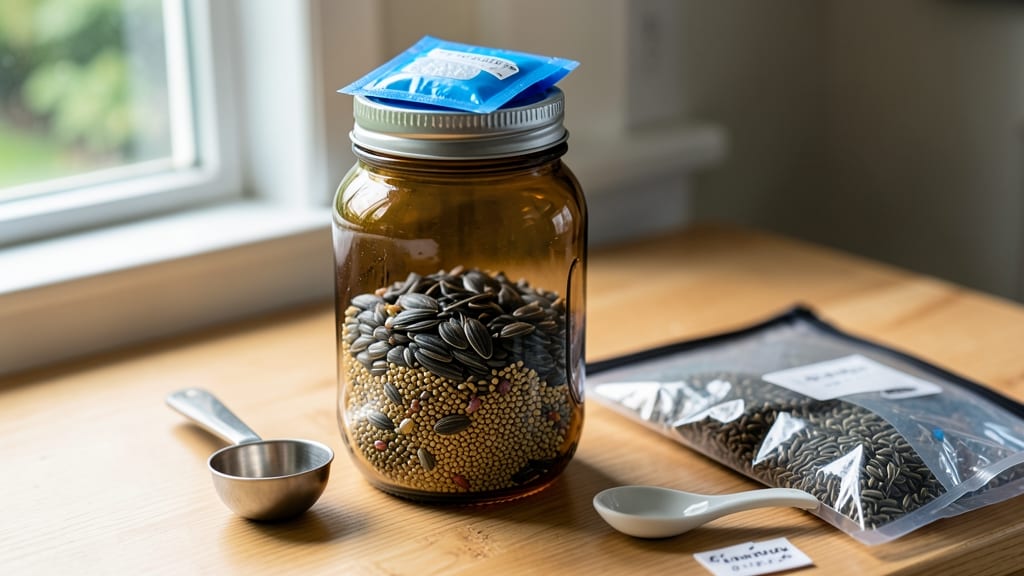
Bird seed sprouting in storage is the gardener's worst nightmare—turning feed into a moldy mess before you even use it. 🌱 The key to keeping it dry and fresh for months isn't complicated: it's all about controlling moisture, airflow, and temperature the right way.
I've saved hundreds of dollars by mastering these simple storage tricks that work even in humid climates.
You'll need just three things: an airtight container with a tight seal, a moisture absorber like silica gel or rice, and a cool, dark spot—your pantry or basement works perfectly. The goal is to mimic the dry conditions seeds need to stay dormant.
Most people overlook humidity, but even a slightly damp seed will sprout within days, no matter how "fresh" it looks.
With proper storage, your bird seed stays viable for 6-12 months—long enough to last through winter feeding or emergency garden planting. You'll spot spoiled seeds easily: they'll smell musty, look discolored, or feel slimy to the touch. That's when you repurpose them for compost instead of wasting them.
For extra protection, freeze seeds in small batches if you won't use them within a month. This stops any sprouting cold, and you can thaw just what you need. The same rules apply whether you're storing sunflower, safflower, or mixed blends—consistency is everything. Let's keep that feed dry and ready!
📚 In This Guide
- What you need
- Instructions
- Tips and common mistakes
- Wrapping up and next steps
What you need
- ● Air-tight containers: 1–2 large, food-grade containers (e.g., glass jars, plastic bins with tight-sealing lids, or metal tins). Look for vacuum-sealed or oxygen absorbers-compatible options for best results.
- ● Oxygen absorbers: 1–2 packets (size depends on container; check packaging for seed volume guidelines). These suck out moisture and oxygen to halt sprouting.
- ○ Food-grade silica gel packets: 1–2 (optional but recommended for extra moisture control). Place them inside the container after sealing.
- ● Desiccant: 1 cup of uncooked rice or silica sand (as a DIY alternative if absorbers aren’t available). Dry thoroughly before use!
- ● Bird seed: Pre-purchased or homemade blend (ensure it’s completely dry before storing). Aim for 1–5 gallons, depending on your needs.
- ● Fine-mesh strainer or colander: 1 (for drying seeds if they’re damp).
- ● Paper towels or clean cloth: 1–2 sheets (to blot excess moisture).
- ● Permanent marker: 1 (to label containers with the date).
- ● Freezer or cool, dark space: A spot below 50°F (10°C) for storage (e.g., pantry, basement, or freezer).
- ● Vacuum sealer: A machine to remove air before sealing (great for long-term storage!).
- ● Humidity indicator cards: 1–2 (to monitor moisture levels inside containers).
- ● Baking soda: 1–2 tablespoons (sprinkle in the container to neutralize odors).
- ● Mylar bags: 1–2 (for an extra layer of protection against light and air).
- ● Small fan: 1 (to speed-dry seeds if they’re damp before storage).
Step-by-Step instructions for preventing bird seed germination
Here’s how I keep bird seed dry and fresh for months—no sprouts or mold in sight.
🪴 Step 1: Choose the Right Storage Containers
Use airtight containers made of glass, metal, or heavy-duty plastic to block moisture and pests. I prefer glass jars with rubber seals or metal tins because they’re non-porous and won’t absorb odors. Avoid cardboard or thin plastic—those let humidity creep in and encourage sprouting.
Clean containers thoroughly before use. Any lingering moisture or residue can speed up germination. Label each container with the seed type and storage date so you rotate stock properly. A 5-gallon bucket with a tight lid works great for bulk storage.
💧 Step 2: Dry the Seed Completely Before Storing
Spread fresh bird seed in a single layer on a baking sheet or clean towel. Let it dry in a well-ventilated, dark area for 24-48 hours until it feels crisp and brittle. You’ll know it’s dry enough when no moisture remains on the seeds—just a light shake should make them rattle slightly.
Skip the oven or microwave—heat can alter seed oils and reduce shelf life. If humidity is high, use a dehumidifier or place a silica gel packet in the drying area to absorb excess moisture. Never store seed with even slight dampness—it’s the fastest way to trigger sprouting.
☀️ Step 3: Store in a Cool, Dark, Dry Place
Keep bird seed in a location with consistent temperatures between 40-60°F. A pantry, basement, or root cellar works best—avoid garages, attics, or near kitchen appliances that generate heat and humidity. Fluctuating temperatures speed up spoilage.
Direct sunlight breaks down seed oils, so store containers in a dark cabinet or opaque bin. If you must use a clear container, wrap it in black plastic or aluminum foil to block light. Check stored seed every 3-6 months for signs of moisture or pests—early detection prevents sprouting.
⏰ Step 4: Use Desiccants and Monitor Humidity
Place silica gel packets or food-grade diatomaceous earth in storage containers to absorb moisture. Replace them every 3 months or when they feel damp. I also add a small bag of rice to my bulk seed storage—it naturally absorbs excess moisture over time.
Use a hygrometer to keep humidity below 50% in storage areas. If your home stays damp, consider a small dehumidifier near storage spaces. Never store seed in the fridge or freezer unless it’s vacuum-sealed—condensation forms when you open the door, ruining the batch.
✂️ Step 5: Rotate Stock and Check for Spoilage
Use the first-in, first-out (FIFO) method—store newer seed behind older seed so you always use the oldest first. Most bird seed stays fresh for 6-12 months if stored properly, but sunflower seeds last longer than millet or corn. Toss any seed that smells musty, looks discolored, or feels soft.
Before refilling feeders, test a small amount by crushing a seed between your fingers. If it feels oily or sticky, discard the whole batch—sprouting seeds can attract pests and mold. A little prevention now saves you from dealing with spoiled seed later.
Tips & tricks for preventing bird seed sprouting
Keeping bird seed fresh isn't rocket science—just a few smart moves make all the difference. Here's what I've learned after dealing with moldy seed the hard way.
Container Material Matters: Glass jars with rubber seals are my go-to because they're completely airtight and won't absorb odors. I've tried plastic containers before, but they can develop tiny cracks over time that let moisture creep in. For bulk storage, that 5-gallon bucket with a tight lid is a game-changer—it keeps pests out while maintaining that perfect dry environment.
Drying is Non-Negotiable: That 24-48 hour drying period in Step 2 is absolutely critical. I learned this the hard way when I tried to store seed that still felt slightly damp—within weeks, I had sprouting seeds. Spread them in that single layer and give them plenty of airflow. If you're in a humid climate, crack a window nearby or use a small fan to speed up the process without adding heat.
Temperature Consistency is Key: The 40-60°F range in Step 3 isn't just arbitrary—it's the sweet spot where seeds stay dormant without spoiling. I keep my seed in the basement during summer months when upstairs gets too warm. Pro tip: If you must store in a garage, use a temperature-controlled storage unit or move containers to a cooler spot when temperatures rise above 70°F.
Humidity Monitoring Pays Off: That hygrometer in Step 4 is worth every penny. I place mine near my seed storage area and keep humidity below 50% at all times. When humidity creeps up, I run a small dehumidifier overnight. The silica gel packets help too, but I replace them religiously every 3 months—don't wait until they feel damp to swap them out!
Pro Tips for Keep Bird Seed From Sprouting
- Keeping bird seed fresh isn't rocket science—just a few smart moves make all the difference.
- Container Material Matters: Glass jars with rubber seals are my go-to because they're completely airtight and won't absorb odors.
- Drying is Non-Negotiable: That 24-48 hour drying period in Step 2 is absolutely critical.
Frequently asked questions
Got questions about storing bird seed without sprouting? You’re not alone! Here are some of the most common concerns—and straightforward answers—to help you keep your seed fresh and ready for feathered friends.
Why does bird seed sprout so quickly?
Bird seed sprouts when exposed to moisture and warmth. Seeds are alive and designed to germinate under the right conditions—even just a little dampness or heat can trigger sprouting. Proper storage (dry, cool, and airtight) slows this process down, but once moisture creeps in, sprouting is inevitable. Think of it like a seed’s survival instinct kicking in!
How long can I store bird seed before it goes bad?
With the right storage, most bird seeds stay fresh for 6–12 months. Sunflower seeds, safflower, and millet last the longest (up to a year), while smaller seeds like nyjer may spoil faster (3–6 months). Always check for mold, musty smells, or insects—if you spot these, it’s time to toss it. Label your containers with purchase dates to stay on track!
What if my seed gets wet accidentally?
Don’t panic! If your seed only has surface moisture, spread it out on a baking sheet and let it dry completely in a warm, dry place (like a sunny windowsill) for 24–48 hours. Once fully dry, transfer it to an airtight container. But if the seed is soaked or moldy, it’s safer to compost it—moldy seed can harm birds.
Are there better containers than plastic bins?
Plastic bins work fine, but for long-term storage, consider these alternatives:
- Glass jars (with tight-sealing lids): Great for small batches and easy to monitor for pests.
- Metal tins: Ideal for humidity-prone areas (like basements) since they don’t absorb odors.
- Vacuum-sealed bags: Remove all air first to maximize shelf life—just poke a tiny hole for birds to peck through!
Can I reuse seed that’s already sprouted?
Sprouted seed is edible for birds (and even humans, if organic and unsalted!), but it’s not ideal for long-term storage. Use it immediately in feeders or mix it with fresh seed. For sprouting projects (like growing microgreens), transfer the seed to a damp paper towel and place it in a warm spot—birds will love the fresh, nutrient-packed treat! Just avoid feeding moldy or slimy sprouts.
Wrapping up and next steps
Keeping your bird seed fresh and sprout-free is all about dry, cool storage and smart habits! By using airtight containers, controlling humidity, and storing seed properly, you’ll ensure your feed stays ready for feathered friends—no unwanted sprouts in sight. 🌱✅
Now that you’re armed with these dry storage secrets, take the next step: audit your current bird seed setup! Check for moisture, reseal containers, and label them with purchase dates. Your feathered visitors (and your wallet) will thank you! 🐦💛