Planting
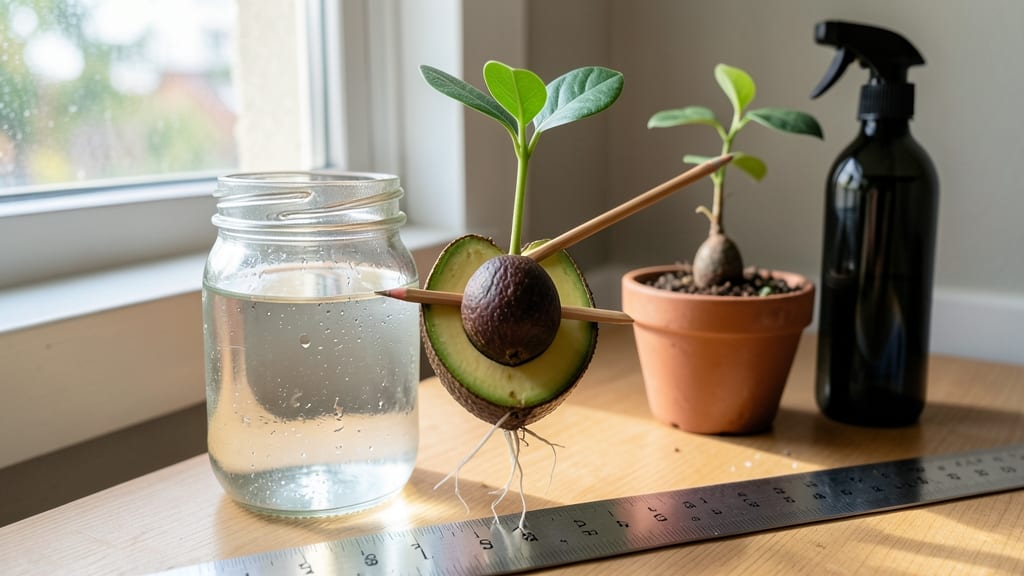
Planting an avocado seed indoors starts with that pit you saved from your last guacamole—no fancy supplies needed. 🌱 I’ve turned more than a dozen into leafy houseplants, and the process is simpler than most people think, though patience is key.
The real trick isn’t forcing growth—it’s giving the seed just enough moisture and light to wake up naturally.
You’ll need three things: a clean avocado pit, toothpicks or a jar, and a sunny windowsill. The toothpick method lets you watch roots emerge in about 2-6 weeks, while the jar method keeps everything contained.
Avoid overwatering—this is where most beginners fail. The soil stays damp, not soggy, and you’ll see those first roots before you expect them.
By month three, you’ll have a 6-inch sapling with glossy leaves, though it won’t bear fruit for years. The plant thrives in bright light and occasional misting, making it perfect for kitchens or sunrooms. Just don’t transplant it outside yet—avocado trees need tropical warmth to survive long-term.
Common mistakes? Overwatering (roots rot fast) and moving it too soon (drafts shock the plant). Stick with it, and you’ll have a conversation piece that grows with your home. The twist? It’s not just a science experiment—it’s a living heirloom.
📚 In This Guide
- What you need
- Instructions
- Tips and common mistakes
- Wrapping up and next steps
What you need
- ● 1 fresh avocado pit – Choose a seed from a ripe, organic avocado (the fresher, the better!).
- ● 3–4 toothpicks or wooden skewers – For suspending the seed.
- ● 1 small glass or jar – A clear container (8–12 oz) with a wide mouth works best.
- ● Water – Filtered or room-temperature tap water (avoid chlorinated water if possible).
- ● Potting soil – A well-draining, organic potting mix (avoid garden soil).
- ● Small pot (6–8 inches in diameter) – With drainage holes to prevent root rot.
- ○ Optional: Peat moss or coconut coir – For extra moisture retention.
- ○ Optional: Planting tray or seedling tray – If you plan to propagate multiple seeds.
- ○ Optional: Humidity dome or plastic wrap – To create a mini greenhouse effect.
- ○ Optional: Grow lights or sunny windowsill – If natural light is limited.
- ● Patience – Germination can take weeks to months!
- ● Consistent care – Keep the soil moist (not soggy) and provide indirect light.
- ● Warmth (65–80°F) – Ideal for seedling growth.
- ● Space to grow – Avocado trees can reach 6–20 feet indoors with proper pruning.
Step-by-step instructions for germinating avocado seeds indoors
Here's the foolproof method I use every time—no special tools, just patience and a little science.
🌱 Step 1: Extract and Prepare the Seed
Start with a fresh avocado pit—never one that's been refrigerated or dried out. Rinse it thoroughly under running water to remove any remaining fruit residue. You'll see three main parts: the pointed end (where the stem was), the flat side (where the seed attaches to the fruit), and the rounded bottom.
Use a clean, sharp knife to carefully slice off the pointed top about 1/4 inch down. This creates a flat surface where you'll later place the seed for balance. I like to use a spoon to scoop out any remaining brown pulp inside—this helps prevent mold later. Save the seed for now; we'll work with it fresh.
🪴 Step 2: Set Up the Germination Station
Take three to four toothpicks and arrange them evenly around the pit's middle, leaving about 1/2 inch between each. The toothpicks should support the seed so it hovers just above a small container filled with 2-3 inches of water. A shallow glass or jar works perfectly—I use a mason jar myself because it's easy to monitor water levels.
Position the seed so the flat side faces down and the rounded bottom stays dry. The water should touch only the bottom 1/4 inch of the seed. Change the water every 2-3 days to keep it fresh. You'll notice tiny roots start sprouting within 2-4 weeks—this is your first sign of success.
💧 Step 3: Monitor and Maintain Moisture
The key to this step is consistency. Keep the water level steady at just below the seed's bottom—never let it submerge completely. I like to use a spray bottle to mist the air around the seed occasionally, which helps maintain humidity without overwatering. Place your setup in a warm spot, ideally between 70-80°F, away from direct sunlight.
Watch for the root to reach about 2-3 inches long before moving to the next step. If you see mold forming on the water, dump it and refill immediately. A slight white film is normal, but black or green mold means it's time for a fresh water change. This ensures your seed stays healthy and focused on growing roots.
☀️ Step 4: Transition to Soil When Roots Develop
Once the root reaches 2-3 inches, it's time to plant. Fill a small pot (about 4-6 inches wide) with well-draining potting mix. Make a hole in the center deep enough to bury about 1 inch of the root while keeping the seed's top half exposed. Gently place the seed in and firm the soil around the root.
Water lightly until moisture seeps from the bottom of the pot, then place it in bright, indirect light. A south-facing window works well, but avoid harsh afternoon sun. Keep the soil consistently moist but never soggy—stick your finger in the soil up to 1 inch deep; if it feels dry, water again. In 4-6 weeks, you should see the first signs of a sprout emerging.
⏰ Step 5: Care for Your Sprouting Avocado Tree
Once the sprout appears, move your plant to a spot with 6-8 hours of indirect sunlight daily. You'll notice the leaves start to unfurl—this is your plant's way of telling you it's thriving. Water when the top 1-2 inches of soil feel dry, and fertilize lightly every 2-3 months with a balanced houseplant fertilizer.
Be patient—avocado trees grow slowly. In the first year, focus on keeping the soil moist and providing gentle care. If you see yellowing leaves, it's usually a sign of overwatering. Adjust your watering schedule to let the topsoil dry out more between waterings. With time, your seedling will grow into a small tree, though it may take several years to bear fruit.
Tips & tricks for perfect avocado seed germination
These simple tricks will help you avoid common pitfalls and give your avocado seed the best chance to thrive.
Seed Selection: Always choose a seed from a fresh, firm avocado—never one that's been refrigerated or dried out. I've learned this the hard way after watching seeds from store-bought avocados fail to sprout. Look for seeds that feel heavy for their size, which indicates they're properly hydrated and full of potential.
Toothpick Placement: When setting up your germination station in Step 2, make sure the toothpicks are evenly spaced around the seed's middle. I've seen seeds tip over when the toothpicks aren't balanced properly. Aim for about 1/2 inch between each toothpick to create a stable triangle that supports the seed perfectly above the water.
Mold Prevention: In Step 3, that slight white film on the water is normal, but black or green mold means it's time for a fresh water change. I've found that using a small piece of aluminum foil to cover the water surface (with tiny holes poked in it) can help prevent mold while still allowing the seed to breathe. Change the water every 2-3 days as instructed to keep everything fresh.
Transplant Timing: Don't rush to transplant your seedling when the root reaches 2-3 inches. I waited too long once and the root became tangled in the toothpicks, making the transplant process difficult. Once the root is firmly established and you see healthy white root hairs, that's your cue to carefully transfer it to soil.
Pro Tips for Plant An Avocado Seed Indoors
- These simple tricks will help you avoid common pitfalls and give your avocado seed the best chance to thrive.
- Seed Selection: Always choose a seed from a fresh, firm avocado—never one that's been refrigerated or dried out.
- Toothpick Placement: When setting up your germination station in Step 2, make sure the toothpicks are evenly spaced around the seed's middle.
Frequently asked questions
Got questions about growing your avocado seed into a tree? You’re not alone! Here are answers to the most common queries to help you avoid pitfalls and keep your plant thriving.
How long does it take for an avocado seed to sprout?
Patience is key—most avocado seeds take 4 to 6 weeks to sprout, though some may take up to 8 weeks. Keep the toothpicks moist, maintain warm conditions (around 70°F), and avoid overwatering. If nothing happens after 2 months, gently check for rot or adjust your setup.
Can I speed up the germination process?
While you can’t rush nature, you can optimize conditions! Place your seed in a warm, bright spot (like a sunny windowsill) and keep the water lukewarm to mimic tropical warmth. Some gardeners swear by a seedling heat mat (set to 75–80°F) for faster results. Just avoid direct sunlight until roots form!
What do I do if my avocado seed rots instead of sprouting?
Rotting is usually caused by too much water or poor drainage. If you spot mold, a foul smell, or a mushy seed, remove it immediately. Let the container dry out for a day, then replant with fresh water and ensure only the bottom 1–2 inches of the seed are submerged. Use a well-ventilated jar to prevent future issues.
How tall will my indoor avocado tree grow?
Indoor avocado trees typically grow 6 to 10 feet tall, but they’ll stay smaller in pots. Prune regularly to control size and encourage bushier growth. With proper care, you might get fruit in 5–10 years—though indoor-grown trees rarely produce edible avocados. Still, the journey is half the fun!
Can I eat avocados from my indoor tree?
Probably not! Indoor avocado trees rarely bear fruit, and even if they do, the avocados are usually small, seedy, and less flavorful than store-bought varieties. Focus on enjoying your living decor—and maybe treat yourself to a real avocado while you wait.
What if my seed doesn’t sprout at all?
Don’t give up! Some seeds take longer or may not sprout due to age or damage. Try the paper towel method as a backup: wrap the seed in a damp towel, place it in a plastic bag, and wait. If that fails, grab a new seed from a fresh avocado and start over. Success rates vary, but persistence pays off!
Wrapping up and next steps
Growing an avocado seed indoors is a rewarding journey that blends creativity with patience—and you’ve just taken the first step! 🌱 Whether you’re nurturing a future plant for fun, sustainability, or a quirky conversation piece, remember: consistency is key.
Now that your seedling is sprouting, the next logical step is to transplant it into soil and watch it thrive under your care. Who knows? You might just grow more than a plant—you’ll cultivate a little green hobby (and maybe even avocados someday!). Happy growing! 🌿✨