
Planting
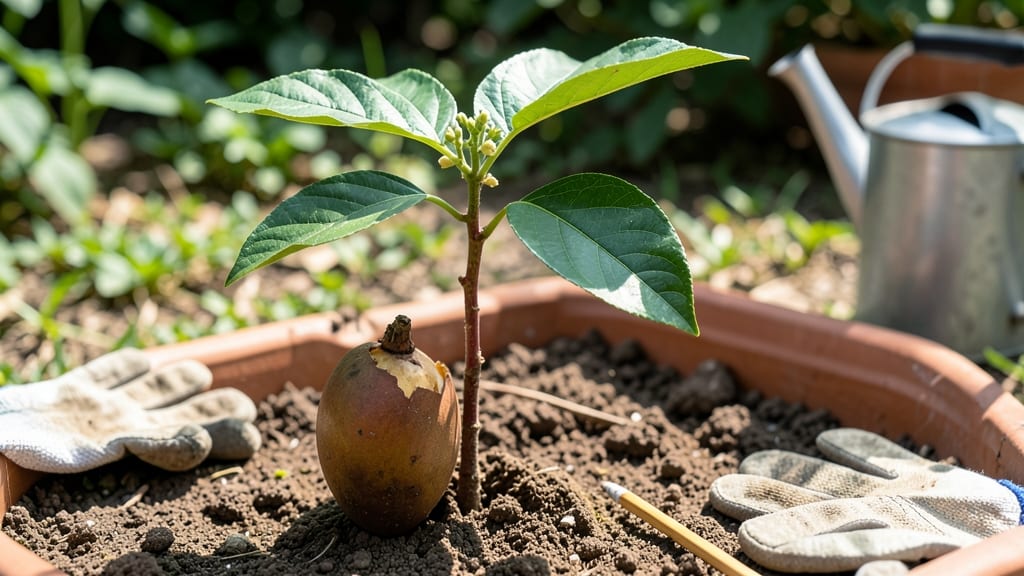
Planting a mango seed in soil isn't just about patience—it's about unlocking that first green shoot in 3-6 weeks with the right prep work. 🌱 I've grown over a dozen mango trees from seed, and the secret to fast germination lies in mimicking tropical conditions before the seed even hits the soil.
Skip the soaking step, and you're rolling the dice on mold or slow starts—trust me, I've tried both ways. You'll need just three essentials: a well-draining potting mix (not garden soil), a small pot with drainage holes, and a warm spot with bright, indirect light.
The soil should feel like a damp sponge—not soggy, not dry. Most beginners overwater at this stage, and that's how you end up with a sad, moldy seed instead of a thriving sprout.
Once planted about half an inch deep, keep the soil consistently moist (not wet) and watch for the first signs of life. That's when the real magic happens—tiny roots breaking through, followed by a stubborn little shoot fighting its way upward.
With proper care, you'll have a 1-2 foot seedling ready for transplanting in just a few months. The biggest mistake? Rushing the process. Mango seeds need warmth and consistency—outdoor planting too early kills more seedlings than anything else.
Start indoors in spring, and you'll give your tree the best possible head start for that tropical fruit dream.
📚 In This Guide
- What you need
- Instructions
- Tips and common mistakes
- Wrapping up and next steps
What you need
- ● Mango seed: 1 fresh, plump pit (preferably from a ripe, organic mango—avoid seeds from store-bought fruit treated with chemicals)
- ● Well-draining potting soil: 1 small pot (4–6 inches wide) or a seed tray filled with sterilized, peat-based mix (or a 50/50 blend of coco coir and perlite)
- ● Watering can or spray bottle: With a fine nozzle for gentle hydration
- ● Plastic wrap or clear dome: To create a mini greenhouse (e.g., a ziplock bag or humidity cover)
- ● Scissors or knife: For carefully slicing the seed (if scarifying is needed)
- ○ Small container or cup: For soaking the seed (optional but helpful for faster germination)
- ● Seedling heat mat: To maintain 80–90°F (27–32°C) for tropical seeds (speeds up germination!)
- ● Fertilizer: A balanced, water-soluble fertilizer (5-5-5 or 10-10-10)—wait until sprouts appear before using
- ● Grow lights: If your space lacks natural sunlight (12–14 hours/day for seedlings)
- ● Label or marker: To track planting dates and varieties
- ● Compost or worm castings: For nutrient-rich soil amendments once the seedling is established
Step-by-step instructions for planting mango seeds in soil
Here's how to get those mango seeds sprouting quickly with minimal fuss.
🌱 Step 1: Prepare and Soak the Mango Seed
Start by selecting a plump, healthy mango seed—it should feel heavy for its size. Scrub off any remaining fruit flesh with warm water, then dry the seed completely with a paper towel. This prevents mold from forming later.
Place the seed in a small bowl and cover it completely with warm water. Let it soak for 24-48 hours until you see a tiny white root (radicle) emerge from one end. This is your signal the seed is ready to plant. I like to check it every 12 hours—you'll see the root grow noticeably within a day or two.
🪴 Step 2: Choose and Fill the Planting Container
Use a 4-6 inch deep pot with drainage holes—plastic nursery pots work perfectly. Fill it halfway with a mix of equal parts potting soil and perlite (this keeps the soil loose and well-draining). Tap the container gently to settle the mix, then moisten it until damp but not soggy.
Create a small planting hole about 1 inch deep in the center of the pot. The seed should sit with the root pointing downward and the wider end facing up. This ensures the seedling grows straight rather than leaning sideways. Cover the seed lightly with soil, leaving just the top visible.
💧 Step 3: Water and Provide Warmth for Germination
Water the soil gently until it's evenly moist, but avoid soaking it. The top layer should feel damp to the touch but not wet. Place the pot in a warm spot—ideally 75-85°F—like on top of a refrigerator or near a sunny window. A seedling heat mat works wonders if you have one.
Cover the pot loosely with plastic wrap to retain moisture, but remove it daily for 5 minutes to prevent mold. Germination usually takes 2-4 weeks, but stay patient—some seeds take longer. You'll know it's working when you see the first tiny leaves (cotyledons) push through the soil.
☀️ Step 4: Move to Light and Care for the Seedling
Once the seedling reaches 2-3 inches tall, remove the plastic wrap and move it to bright, indirect light. Avoid direct sunlight at first—it can scorch delicate new leaves. After a week, gradually introduce it to 4-6 hours of morning sun daily to harden it off.
Water the seedling when the top inch of soil feels dry, but don't let it sit in water. You'll see strong, dark green leaves develop within a few weeks. This is your sign the seedling is thriving. Keep the soil consistently moist but never waterlogged—overwatering is the #1 killer of young mango seedlings.
⏰ Step 5: Transplant and Continue Growing
When the seedling reaches 6-8 inches tall and has 4-5 true leaves, it's ready for a larger pot or garden bed. Choose a spot with full sun and well-draining soil. Dig a hole twice as wide as the seedling's root ball but no deeper than it was growing before.
Water the seedling deeply before transplanting to reduce shock. After planting, water again and mulch around the base to retain moisture. Mango seedlings grow slowly at first, but with patience, you'll have a sturdy young tree in a few months. Just remember—it may take 5-10 years before it bears fruit, but the journey is worth it!
Tips & tricks for fast mango seed germination
These little tricks will help your mango seed sprout faster and give your seedling the best possible start.
Soaking Strategy: During the 24-48 hour soak, change the water every 12 hours to prevent bacterial growth. I use a clean glass jar with a lid to contain any mess—just tilt it to drain old water and refill. The root emerges faster when the water stays fresh and oxygenated. Watch for the first sign of a tiny white root—this is your green light to plant!
Container Selection: For the 4-6 inch deep pot, I recommend clear plastic containers with drainage holes. You'll be able to watch the roots develop, and the clear sides help you monitor soil moisture levels. If you don't have drainage holes, poke them yourself with a heated nail—this prevents root rot which can kill your seedling before it even sprouts.
Warmth Hack: To maintain that ideal 75-85°F range without special equipment, place your pot on top of your refrigerator. The heat from the compressor creates perfect germination conditions. If you notice condensation forming on the plastic wrap, that's a good sign—it means the humidity is just right for sprouting.
Light Transition: When moving your 2-3 inch seedling to light in Step 4, start with a north-facing window if possible. Southern exposure can be too intense initially. I place a sheer curtain over the window to diffuse the light—this prevents leaf scorch while still providing the photosynthesis it needs to grow strong.
Pro Tips for Plant Mango Seed In Soil
- These little tricks will help your mango seed sprout faster and give your seedling the best possible start.
- Soaking Strategy: During the 24-48 hour soak, change the water every 12 hours to prevent bacterial growth.
- Container Selection: For the 4-6 inch deep pot, I recommend clear plastic containers with drainage holes.
Frequently asked questions
Got questions about growing a mango tree from seed? You’re not alone! Here are some of the most common queries—and answers—to help you avoid pitfalls and maximize your success.
How long does it take for a mango seed to sprout?
A mango seed typically takes 2–4 weeks to sprout after planting, depending on temperature and moisture. Keep the soil consistently damp (not soggy) and place it in a warm spot (70–85°F). Patience is key—some seeds take longer, especially if stored improperly before planting.
Can I plant a mango seed directly in the ground, or should I start indoors first?
For best results, start indoors 4–6 weeks before the last frost to give the seedling time to establish roots. Direct outdoor planting works in tropical climates, but seedlings are delicate and may struggle with cold or pests. If you live in a cooler zone, transplant the seedling outside only after it’s at least 6 inches tall and temperatures stay above 50°F at night.
Why isn’t my mango seed sprouting? Troubleshooting tips.
If your seed isn’t sprouting after 4+ weeks, check these common issues:
- Dormancy: Some seeds need scarification (scratching the hard shell) or warm stratification. Soak the seed in warm water for 24 hours before planting to soften it.
- Rot: Overwatering or poor drainage causes mold. Ensure the pot has drainage holes and water only when the top inch of soil feels dry.
- Low humidity: Cover the pot with plastic wrap or a humidity dome to retain moisture until germination.
- Old seed: Seeds lose viability over time. Use fresh seeds from ripe mangoes for the best chance.
How do I care for a mango seedling once it sprouts?
Once your seedling emerges, shift to low-maintenance care:
- Water lightly (keep soil moist but not waterlogged).
- Place in bright, indirect light (avoid harsh sun until hardened off).
- Fertilize sparingly with a balanced, diluted houseplant fertilizer (half-strength) every 4–6 weeks.
- Transplant outdoors only after the last frost and when the seedling has 3–4 true leaves.
Pro tip: Mango seedlings grow slowly—don’t rush transplanting! They’re sensitive to root disturbance.
Will a mango tree grown from seed produce fruit like the parent tree?
Probably not! Seed-grown mango trees are unpredictable—they may take 5–10 years to bear fruit, and the quality (size, taste, color) won’t match the parent tree. For reliable fruit, grafting is the gold standard, but it requires skill. If you’re patient, seed-grown trees can still be rewarding as ornamental plants or for experimental growing!
Wrapping up and next steps
Planting a mango seed is a rewarding journey that connects you to nature—and yes, you can grow a tree from a simple pit! 🌱 With the right soil, patience, and care, you’ve got all the tools to nurture a thriving sapling.
Remember, consistency is key: keep your seedling hydrated, protect it from harsh elements, and watch it flourish over time.
Now that you’re armed with this germination blueprint, why not take the next step? Share your progress with fellow plant enthusiasts, experiment with different mango varieties, or even explore grafting techniques to speed up fruit-bearing. Happy planting—your future mango tree is waiting! 🌿✨