
Planting
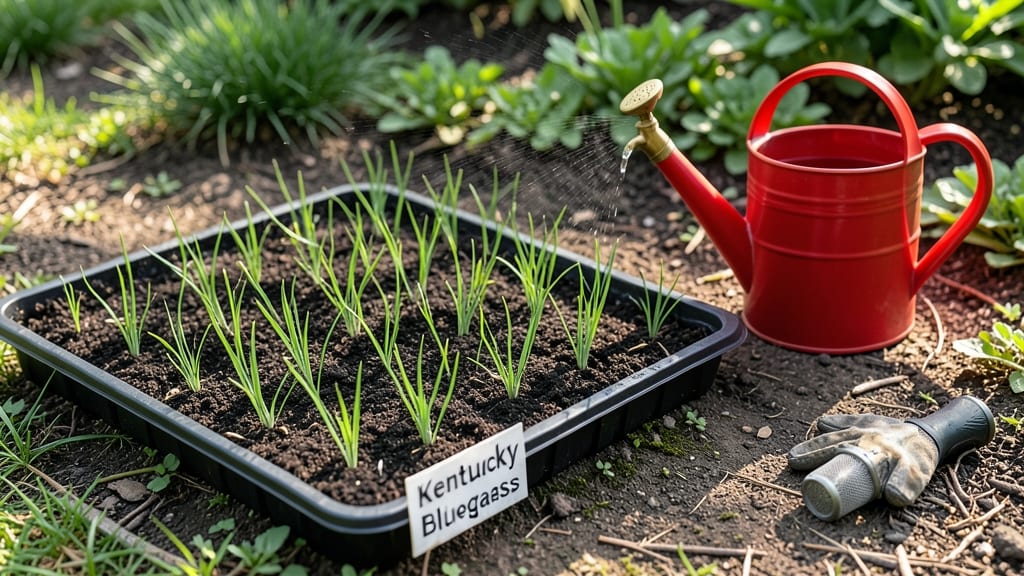
Your grass seed isn't waiting—neither should you. 🌱 Speeding up germination means those first green blades appear in days instead of weeks, and the trick is all about warmth and moisture working together. I've turned patchy lawns into lush carpets by mastering this simple system, and you can too.
The secret isn't complicated: seeds need consistent warmth (around 70°F) and moisture without sitting in water. A damp towel in a warm spot mimics spring conditions perfectly—no fancy equipment needed. Even a sunny windowsill or heat mat can make all the difference.
You'll see sprouts within 3-7 days instead of waiting two weeks, and the lawn fills in uniformly. The key is checking moisture daily and keeping seeds in the dark until they break through—light too soon and they'll dry out. Works for cool-season grasses too, just adjust the warmth slightly.
Here's exactly how to do it without guessing.
📚 In This Guide
- What you need
- Instructions
- Tips and common mistakes
- Wrapping up and next steps
What you need
- ● High-quality grass seed: Choose fast-germinating varieties like ryegrass or annual ryegrass (1-2 lbs per 100 sq ft).
- ● Germination tray or seedling pots: 4-6" deep with drainage holes (or a shallow wooden box for large areas).
- ● Potting mix: Seed-starting mix (sterile, lightweight, and well-draining). Avoid garden soil—it’s too dense!
- ● Watering can or spray bottle: With a fine mist nozzle for gentle hydration.
- ● Heat source: Heat mat: 70-80°F (21-27°C) setting (e.g., Vivapod or Growers Choice).
- ● OR a warm, sunny windowsill (south-facing ideal).
- ● Plastic wrap or humidity dome: Clear plastic sheet or a DIY cover to retain moisture.
- ○ Fertilizer (optional but helpful): Water-soluble starter fertilizer (e.g., Miracle-Gro or Fish Emulsion at ½ strength).
- ● Gloves: To keep hands clean while handling seed and soil.
- ● Small hand trowel: For gently pressing seed into the soil.
- ○ Thermometer (optional): To monitor soil temp (ideal range: 70-80°F).
- ○ Grow lights (optional): 12-16 hours of light daily if natural light is insufficient (e.g., LED full-spectrum bulbs).
- ● Seedling labels: To track varieties and planting dates.
How to speed up grass seed germination using warmth
Here’s how I get grass sprouts popping through soil in days instead of weeks—no shortcuts, just smart timing and warmth.
☀️ Step 1: Prep the Soil for Maximum Heat Retention
Loosen the top 2-3 inches of soil with a rake or tiller to break up compaction—this helps roots penetrate easily. I like to work the soil when it’s slightly damp so it holds warmth better. If your yard feels dry, water lightly the day before to prep without creating puddles.
Spread a thin layer of compost or aged manure over the area—this adds organic matter that warms up faster in sunlight. The goal is soil that feels like a warm bath, not cold and hard. Test by pressing your finger in: it should give slightly but not crumble.
🌱 Step 2: Apply Warmth Before Planting
Lay black plastic sheeting or a dark-colored landscape fabric over the prepped area for 3-5 days before seeding. The dark surface absorbs sunlight and radiates heat into the soil below, raising temperatures by 10-15°F. This jumpstarts germination without needing a greenhouse.
Check the soil temperature with a thermometer—aim for 70-75°F at planting time. If your climate runs cooler, extend the warming period by a day or two. I’ve seen seeds sprout in 3 days when soil hits this range, compared to 2-3 weeks without pre-warming.
💧 Step 3: Plant Seeds and Keep Soil Warm
Remove the plastic and scatter seeds evenly, following the packet’s spacing guidelines. Lightly cover with ¼ inch of fine soil or compost—this protects seeds from drying out while keeping them warm. Press down gently with your hand to ensure good seed-to-soil contact.
Water immediately with a fine mist or soaker hose until the top 1 inch of soil feels damp but not soggy. Avoid overhead sprinklers—they can wash seeds away or create crusts that block sprouts. I set up a sprinkler on a timer for 10 minutes daily to maintain moisture without overwatering.
⏰ Step 4: Maintain Warmth and Monitor Sprouts
Reapply black plastic or use a lightweight row cover to trap heat during the day and retain warmth overnight. Remove covers for 1-2 hours daily to let air circulate and prevent mold. Watch for condensation on the underside—this means the soil is holding too much moisture.
Germination usually starts in 3-7 days with these methods. You’ll see tiny green spikes first—this is the seed’s food supply (cotyledons) breaking through. Once 50% of seeds sprout, reduce watering slightly to harden off the young roots.
🌿 Step 5: Transition to Normal Care
After 10-14 days, when grass reaches 2-3 inches tall, remove all covers and adjust watering to 1 inch per week. This gradual shift prevents shock. Mow when blades hit 3-4 inches to encourage thicker growth.
Real talk: if sprouts appear patchy, recheck soil moisture—uneven watering is the #1 killer of young grass. But with these warmth tricks, you’ll have a lush stand in record time.
Tips & tricks for perfect grass seed germination
Here's what nobody tells you about getting those first green shoots to appear faster than ever.
Soil Temperature Matters: The 70-75°F range is your sweet spot for germination—this is where seeds activate their growth hormones most effectively. I use a soil thermometer to check temperatures, especially in cooler climates. If your soil runs cooler than 70°F, extend the black plastic warming period by an extra day or two. Trust me on this: those few extra degrees make all the difference between weeks of waiting and seeing sprouts in days.
Black Plastic Hack: For Step 2, I've found that using heavier-duty black plastic (like the kind used for garden beds) works better than lightweight landscape fabric—it holds heat longer and creates a more consistent warming effect. If you don't have black plastic, dark-colored cardboard works in a pinch, though it won't last as long. The key is creating that thermal blanket effect that raises soil temperatures by 10-15°F.
Watering Wisdom: That 10-minute daily watering schedule is critical for maintaining consistent moisture without drowning your seeds. I've learned the hard way that letting the top inch dry out completely can delay germination by days. Use a rain gauge to measure your watering—you want just enough to keep the soil damp like a wrung-out sponge. Overhead sprinklers can create crusts that block sprouts, so a soaker hose or gentle watering can is your best friend here.
Timing Secret: The 3-7 day germination window is your target, but don't be surprised if you see sprouts as early as day 3 with perfect conditions. I've seen Kentucky bluegrass pop through in just 48 hours when soil temps hit that ideal range. Watch for those first tiny green spikes—they're your signal that the seeds have successfully broken through their protective seed coats. Once you see 50% of seeds sprouting, you can start backing off on the daily watering to let those young roots strengthen.
Pro Tips for Speed Up Grass Seed Germination
- Here's what nobody tells you about getting those first green shoots to appear faster than ever.
- Soil Temperature Matters: The 70-75°F range is your sweet spot for germination—this is where seeds activate their growth hormones most effectively.
- If you don't have black plastic, dark-colored cardboard works in a pinch, though it won't last as long.
Frequently asked questions
about speeding up grass seed germination—because even the best-laid lawn plans need a little troubleshooting! Here are answers to the most common queries to help you grow greener faster.How long does it take for grass seed to germinate with these tricks?
With the right warmth, moisture, and soil prep, most grass seeds sprout in 5–14 days. Cool-season grasses (like fescue or ryegrass) may take 7–21 days, while warm-season varieties (like Bermuda or Zoysia) often sprout in 7–10 days with heat mats or mulch. Patience is key—don’t overwater once sprouts appear!
Can I speed up germination in cold weather?
Cold soil slows growth, but you can trick nature with:
- Heat mats (set to 70–75°F for 24/7 warmth).
- Black plastic mulch to trap heat from sunlight.
- Straw or compost as insulation (avoid thick layers—¼ inch max).
Why is my grass seed not germinating even with warmth?
Check these common culprits:
- Old or low-quality seed: Test viability by soaking seeds in water—floaters are dead.
- Poor soil contact: Seeds need firm but not compacted soil. Lightly rake after sowing.
- Improper moisture: Soil should stay consistently damp (like a wrung-out sponge). Overwatering suffocates seeds!
- Depth issues: Plant too deep? Most seeds need ¼ inch or less of coverage.
What’s the fastest alternative to grass seed for quick green?
If you need instant gratification, consider:
- Sod (instant grass): Rolls of pre-grown grass take 2–4 weeks to root but provide immediate coverage.
- Hydroseeding: A slurry of seed, mulch, and fertilizer germinates 50% faster than traditional methods.
- Annual ryegrass: A fast-growing cover crop that sprouts in 5–7 days (ideal for erosion control).
- Pre-germinated seed: Some nurseries sell seeds pre-soaked in gel—plant and watch them pop in 3–5 days!
How often should I water grass seed after germination starts?
Once sprouts emerge, shift to light, frequent watering to avoid washing them out:
- Daily: Water early morning (½ inch total).
- Avoid overhead sprinklers: Use a gentle mist or soaker hose to prevent seed displacement.
- Let soil dry slightly between waterings (top inch) to encourage deep roots.
Wrapping up and next steps
Speeding up grass seed germination is all about creating the perfect conditions—warmth, moisture, and patience—to give those tiny sprouts the best start. With the right tricks, like using heat mats, mulching, or even DIY warmth hacks, you can watch your lawn transform in just days! 🌱✨
Now that you’re armed with the know-how, roll up your sleeves and get planting. Keep an eye on your seeds, stay consistent with care, and soon you’ll be rewarded with lush, vibrant grass. Happy growing! 🌿