
Lawn
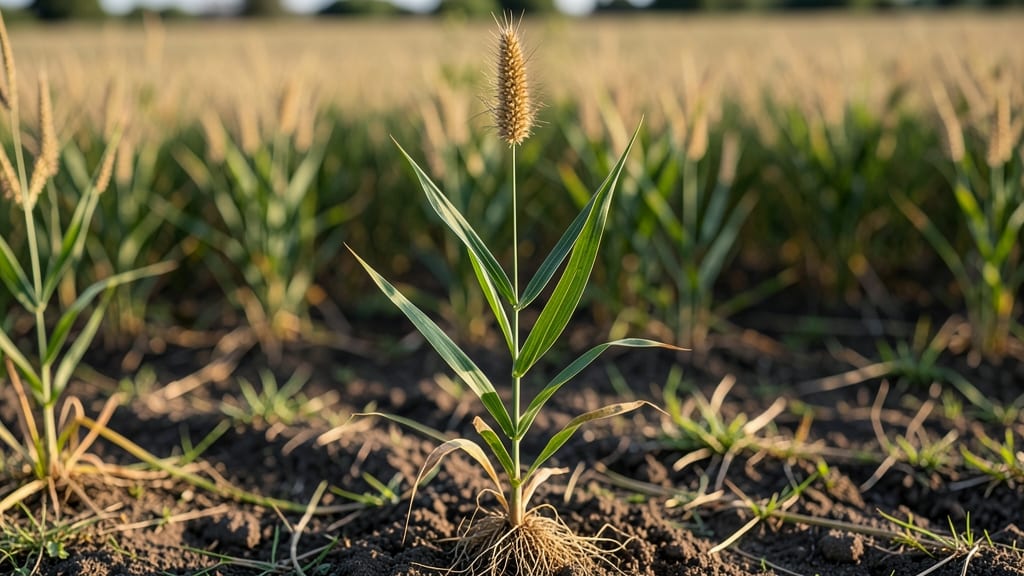
Growing millet for those iconic twist-resistant seed heads is easier than you think—and they’re the star of any drought-tolerant garden. 🌾 I planted mine last spring, and by summer, the feathery plumes swayed in the breeze, drawing hummingbirds while requiring almost no water.
These aren’t just pretty; they’re functional too, with seed heads that stay upright even in windstorms, making harvest effortless.
The secret to millet’s resilience lies in its love for poor soil and full sun—perfect for neglected corners or pollinator-friendly borders. Start seeds indoors 4-6 weeks before your last frost, then transplant when soil warms to 60°F. Water lightly until established, then let nature take over; millet thrives on neglect.
Within 90 days, you’ll have towering stems (3-7 feet tall) topped with seed heads that range from deep red to golden tan, depending on the variety.
Harvest time is pure magic: simply twist the seed head free when dry, and the seeds spill out effortlessly—no messy pods or wasted effort. Use the seeds for bird feeders, homemade flour, or even craft projects, while the empty stems add rustic texture to dried arrangements.
My neighbors now ask for cuttings every fall, and I’ve even sold bundles at local markets.
Pro tip: Choose varieties like ‘German’ or ‘Crowning Glory’ for the most dramatic seed heads, and plant in clusters for maximum impact. Millet’s hardiness means it’s a zero-maintenance workhorse—ideal for beginners or busy gardeners who still want a showstopping display. Ready to grow your own twist-resistant masterpiece?
📚 In This Guide
- What you need
- Instructions
- Tips and common mistakes
- Wrapping up and next steps
What you need
- ● Millet seed heads: 1–5 mature millet plants (depending on desired coverage)
- ● Prefer Pennisetum glaucum (pearl millet) or Setaria italica (foxtail millet) for twist-resistant pods
- ● Soil: Well-draining, slightly acidic to neutral soil (pH 6.0–7.0)
- ○ Optional: 1–2 cups of compost per planting hole (for nutrient boost)
- ● Watering tools: Watering can or hose with adjustable nozzle
- ○ Drip irrigation kit (optional, for automated care)
- ● Harvesting gear: Sharp pruning shears or garden scissors
- ● Glove (to protect hands from seed pod prickles)
- ● Mulch (straw or wood chips) to retain moisture and deter weeds
- ● Bird netting (to protect seed heads from early foraging)
- ● Drying rack or mesh bag (for seed storage)
- ● Seed-saving paper envelopes (for long-term storage)
- ● Decorative elements (e.g., pebbles or driftwood for aesthetic lawn accents)
Step-by-step guide to harvesting millet seed heads
Here’s how to collect millet seed heads efficiently without wasting a single grain.
🌱 Step 1: Identify and Prepare for Harvest
Wait until the millet seed heads turn a deep golden-brown and feel dry to the touch—this means the seeds are fully mature. I like to harvest on a dry morning when humidity is low, as damp conditions can make the seed heads brittle and prone to breaking. Gently shake a few heads over your hand to test; if seeds rattle freely, they’re ready.
Wear gloves if your millet has sharp seed heads, like some varieties of foxtail or barnyard millet. I always keep a small basket or bucket nearby to collect the seed heads as I go. A sharp pair of pruning shears makes the job easier—cut the stems about 2-3 inches below the seed head to avoid damaging the plant’s base for future growth.
✂️ Step 2: Twist and Remove Seed Heads
The twist-resistant technique is what makes this method foolproof. Hold the seed head firmly with one hand and grasp the stem just below it with the other. Twist your wrist sharply in a circular motion while pulling upward—this breaks the stem cleanly without crushing the seed head. You’ll hear a satisfying pop when it separates.
If a seed head resists, don’t force it. Instead, gently wiggle it side to side while twisting—this loosens the connection without damaging the stalk. Place each seed head in your basket immediately to avoid dropping seeds. I’ve found that harvesting in small batches keeps the process efficient and prevents overcrowding in the basket.
🪴 Step 3: Dry and Store Seed Heads Properly
Spread the seed heads in a single layer on a clean, dry surface, like a baking sheet or mesh screen, in a well-ventilated area. Avoid direct sunlight, as it can cause the seeds to overheat and lose viability. A shaded porch or garage works perfectly. Let them dry for 3-5 days, stirring them occasionally to ensure even drying.
Once fully dry, the seed heads will feel light and hollow when shaken. Store them in paper bags or breathable fabric sacks—plastic traps moisture and can lead to mold. Label each bag with the millet variety and harvest date. This method keeps seeds viable for up to 2 years if stored in a cool, dry place.
🌿 Step 4: Separate Seeds for Zero-Waste Use
To extract the seeds, hold a seed head over a bowl and rub it between your palms in a rolling motion. The seeds will fall out while the chaff stays behind. For stubborn seed heads, I use a clean cloth or small sieve to catch any stray seeds. This is where the twist-resistant technique pays off—fewer broken seed heads mean less waste.
Use the leftover chaff for mulch or compost—it breaks down quickly and adds nutrients to the soil. If you’re saving seeds for planting, sift them through a fine mesh to remove any remaining debris. Store the clean seeds in an airtight container in a cool, dark place. You’ll have fresh millet ready for next season’s planting!
Tips & tricks for perfect millet seed head harvesting
Here's what nobody tells you about making this process even smoother and more efficient.
Timing Secret: Harvest millet seed heads on a dry morning when humidity is low—this prevents the seed heads from becoming brittle and breaking during the twist-and-remove process. I've learned this the hard way after losing seeds to damp conditions during harvest. The ideal time is just after the dew has evaporated but before the sun gets too intense.
Equipment Upgrade: If you're harvesting a large patch of millet, consider using a small pruning saw instead of just shears. It makes quick work of thicker stems and reduces hand fatigue. For smaller patches, a sharp pair of pruning shears is perfect, but always cut about 2-3 inches below the seed head to protect the plant's base for future growth.
Drying Strategy: When drying your seed heads, place them in a well-ventilated area with good airflow to prevent mold. A shaded porch or garage works well, but avoid direct sunlight which can overheat the seeds. Stir them occasionally to ensure even drying—this is especially important during the first 24 hours of the 3-5 day drying process.
Zero-Waste Hack: Don't toss the leftover chaff after extracting the seeds! It makes excellent mulch or compost. If you're saving seeds for planting, sift them through a fine mesh to remove any remaining debris. This keeps your seeds clean and ready for next season's planting while ensuring you're making the most of every part of the plant.
Pro Tips for Millet Seed Head
- Here's what nobody tells you about making this process even smoother and more efficient.
- Timing Secret: Harvest millet seed heads on a dry morning when humidity is low—this prevents the seed heads from becoming brittle and breaking during the twist-and-remove process.
- Equipment Upgrade: If you're harvesting a large patch of millet, consider using a small pruning saw instead of just shears.
Frequently asked questions
Got questions about millet seed heads and their twist-resistant pods? You’re not alone! Here are answers to the most common queries—from planting to harvesting—so you can master zero-waste millet growing with confidence.
What’s the best time to harvest millet seed heads for maximum yield?
Harvest millet seed heads when they turn golden-brown and the seed pods feel firm but slightly soft to the touch—usually 60–90 days after planting, depending on the variety. Wait too long, and the pods may shatter or lose viability. Morning harvests (when humidity is low) help preserve seeds longer.
Why do some millet seed heads twist or bend before ripening?
Twisting is normal! Millet seed heads often torque as they mature due to uneven water absorption or wind stress. To minimize bending, ensure consistent soil moisture and stake taller varieties (like foxtail millet) if needed. Twist-resistant pods (like those in proso or pearl millet) are bred to handle this better.
Can I reuse millet seed heads after harvest, or should I discard them?
Absolutely reuse them! After threshing, dry and store seed heads in a cool, dark place for up to a year. Use them as natural mulch, bird feeders, or even crafting materials (like wreaths or potpourri). For compost, chop them finely to speed decomposition.
What’s a good alternative if millet seed heads keep shattering before harvest?
Try these fixes:
- Thicker spacing (reduce crowding to 6–12 inches apart).
- Windbreaks (plant near hedges or use stakes).
- Dwarf varieties (like teff or little millet) resist shattering better.
- Harvest early (cut entire seed heads and dry indoors).
How do I store millet seed heads to prevent pests or mold?
Clean seed heads thoroughly, then store them in paper bags or breathable fabric sacks (not plastic!) in a dry, well-ventilated area. Add a few dried neem leaves or food-grade diatomaceous earth to deter pests. Check monthly for moisture—humidity >50% = mold risk.
Wrapping up and next steps
The millet seed head isn’t just a resilient, twist-resistant pod—it’s a game-changer for sustainable harvesting! 🌾 With its eco-friendly design and zero-waste potential, it’s perfect for gardeners and homesteaders looking to simplify their workflow while reducing environmental impact.
Whether you’re a seasoned pro or just starting out, this innovation makes harvesting effortless and rewarding.
Ready to elevate your garden? Grab your millet seed heads, follow the steps, and start reaping the benefits today—your plants (and the planet) will thank you! 🌱