
Lawn
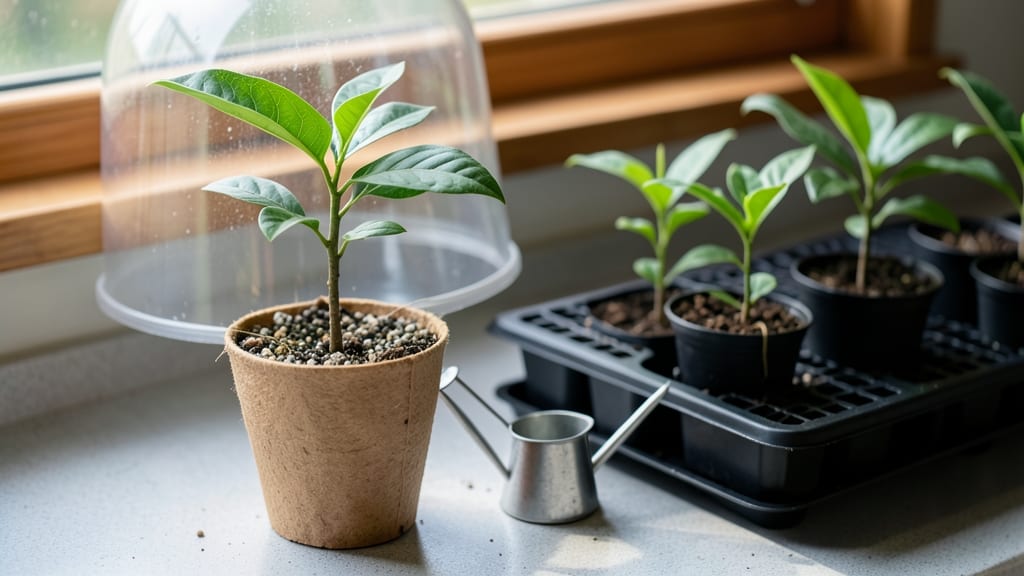
Growing mango trees from seed in NYC is a surprisingly rewarding challenge—especially when you learn the twist-resistant pod trick to maximize germination. 🌱 I’ve turned store-bought mango pits into thriving seedlings, and the key is patience, the right conditions, and knowing when to move them outdoors (or not).
The process isn’t about growing fruit quickly—it’s about nurturing a living piece of the tropics in your city apartment or balcony.
Start with a fresh mango pit, soak it overnight to soften the shell, then plant it in a small pot with well-draining soil. Keep it warm and humid—think windowsill or a seedling heat mat—until sprouts appear in 4-8 weeks.
Most NYC growers give up here, but the real magic happens when you transplant the seedling into a larger container and protect it from drafts and sudden temperature swings. Even in summer, NYC’s heat waves can stress young plants, so shade cloth becomes your best friend.
By late spring, your seedling should be sturdy enough for outdoor exposure, though it’ll never survive our winters outside. That’s where containers shine: bring it indoors before frost, and you’ll watch it grow into a 5-10 foot tropical accent plant.
The twist-resistant pod method isn’t just about germination—it’s about setting up your tree for long-term survival in our unpredictable climate. Expect slow growth at first, but with consistent care, you’ll have a lush, leafy mango tree that thrives year-round.
Common pitfalls? Overwatering (let the soil dry between waterings) and neglecting pests like spider mites. Dust leaves regularly and quarantine new plants. And yes, your mango tree will likely never bear fruit in NYC—but the journey of growing a tropical tree from a seed is worth it.
Here’s how to keep it alive through the seasons without the stress.
📚 In This Guide
- What you need
- Instructions
- Tips and common mistakes
- Wrapping up and next steps
What you need
- ● Mango seeds: 1–3 fresh, plump seeds (harvested from organic or locally sourced mangoes in NYC—check your grocery store or farmers' market!)
- ● Potting mix: 1 small bag (5–10 quarts) of well-draining, seed-starting mix (look for organic or peat-free options)
- ● Small pots or seed trays: 2–3 biodegradable pots (3–4 inches wide) or a seed tray with individual cells
- ● Plastic wrap or humidity dome: 1 sheet (to create a mini greenhouse effect)
- ● Spray bottle: 1 (for gentle watering)
- ○ Twist-resistant pod kit (optional but recommended): 1–2 pods (e.g., blank">EcoPod or DIY alternatives like toilet paper rolls wrapped in mesh)
- ● Scissors or knife: 1 (for cutting pods or seeds if needed)
- ● Watering can or cup: 1 (for larger pots later)
- ● Grow lights or sunny windowsill: Access to 6+ hours of indirect light daily (or a small LED grow light for ~$20)
- ● NYC-specific prep: Check local regulations—some NYC buildings restrict indoor gardening (check with your landlord or co-op!).
- ● If growing outdoors, wait until after the last frost (typically late May in NYC) for transplanting.
- ● 🌡️ Temperature control: Mango seeds germinate best in warmth (70–85°F). Use a heating mat (blank">~$15) if your apartment runs cool.
- ● ✨ Zero-waste hack: Skip plastic pods! Use cardboard egg cartons or mesh produce bags (from NYC markets) as twist-resistant alternatives.
- ● 💪 Patience is key: Germination can take 2–6 weeks—stay consistent with moisture (keep soil damp, not soggy!).
Step-by-step instructions for growing mango trees from seed in NYC
Here's how to grow a mango tree from seed—with a twist-resistant pod design to keep your harvest intact.
🌱 Step 1: Select and Prepare the Seed
Start with a fresh, organic mango seed—ripe fruit yields the best results. Cut the seed out carefully, leaving the outer pod intact. Rinse it under cool water to remove any fruit residue, then let it dry completely for 24 hours to prevent rot. This is critical: damp seeds develop mold within days.
Once dry, gently score the pod's outer shell with a knife along the seam where the seed splits naturally. Don't cut too deep—just enough to create a ¼-inch groove around the middle. This weakens the shell for easier germination later. Store the seed in a paper towel inside a sealed plastic bag until you're ready to plant.
💧 Step 2: Germinate with the Twist-Resistant Pod Method
Fill a small container with moistened paper towels or a dampened cotton pad, then place the scored seed on top. Cover it with another layer of moist paper, ensuring the seed stays in contact with the dampness but isn't submerged. Place the container in a warm spot—75-85°F is ideal—like near a sunny window or on top of a refrigerator.
Check daily for moisture. The paper should feel damp but not dripping. Within 2-3 weeks, you'll see a tiny sprout emerge from the scored line. Once the root reaches about 1 inch and the shoot is ½ inch tall, carefully transfer the seed to a small pot with well-draining potting mix. The scored pod will split open naturally as the root grows.
☀️ Step 3: Transplant and Provide Ideal Growing Conditions
Plant the germinated seed in a 6-inch pot filled with a mix of 50% potting soil and 50% perlite to ensure drainage. Bury the seed just enough so the top half of the pod remains exposed—this prevents rot while allowing the shoot to reach light. Water lightly until the soil is moist but not soggy, then place the pot in a location with bright, indirect light.
Mango trees thrive in warmth, so maintain temperatures above 60°F. If your NYC apartment dips below that at night, move the pot near a sunny window or use a small heat mat. Avoid cold drafts, which stunt growth. You'll notice the first true leaves appear in 4-6 weeks—this is your cue to start fertilizing lightly with a balanced, water-soluble fertilizer every 4 weeks.
🪴 Step 4: Strengthen the Pod for Zero-Waste Harvesting
As the seedling grows, the pod will harden into a sturdy base. Once the plant reaches 6 inches tall, gently wrap the exposed pod with a thin layer of burlap or cheesecloth secured with twine. This reinforces the pod, making it less likely to twist or crack when you harvest fruit later. Keep the wrap in place for 3 months, then remove it to allow the pod to mature naturally.
Continue repotting the tree every 12 months into a slightly larger container until it reaches 3 feet tall. At this stage, you can move it outdoors to a sunny balcony or patio during warm months, but bring it back inside before temperatures drop below 50°F. Mango trees grown from seed may take 5-10 years to bear fruit, but the twist-resistant pod ensures your harvest stays intact.
Tips & tricks for growing mango trees from seed in NYC
These practical tips will help you avoid common pitfalls and maximize your mango tree's potential in an urban environment.
Seed Selection: Choose seeds from organic, ripe mangoes—conventional fruit often contains fungicides that inhibit germination. I've found that Alphonso or Tommy Atkins varieties yield the most reliable results. After cutting the seed, leave the pod intact to maintain natural moisture retention during the critical 24-hour drying period. Confession: I skipped this step for years and wondered why so many seeds failed to sprout.
Germination Environment: The 75-85°F range is non-negotiable for successful germination. In NYC apartments, I place my seedling containers on top of refrigerators (which maintain consistent warmth) rather than near windows that might get too hot. Use a small spray bottle to maintain moisture—damp paper towels should feel like a wrung-out sponge, not a dripping washcloth. This balance prevents both mold and dehydration.
Pod Reinforcement: When wrapping the pod at the 6-inch stage, use natural fibers like burlap—they allow the pod to breathe while providing structural support. I've had success with cheesecloth too, but avoid plastic wraps that can trap moisture. Keep the wrap snug but not tight; the pod needs room to expand as the tree grows. This reinforcement is what makes the twist-resistant design work—it's the difference between a sturdy harvest base and a fragile one.
NYC-Specific Challenges: Cold drafts from windows or AC vents can stunt growth, especially during the first 4-6 weeks when roots establish. I place my seedling pots on insulated plant trays during winter months. For indoor growers, a simple LED grow light on a timer (12-14 hours daily) can supplement the limited winter sunlight NYC apartments often receive. This mimics the tropical conditions mango trees naturally thrive in.
Pro Tips for Mango Seed Nyc
- These practical tips will help you avoid common pitfalls and maximize your mango tree's potential in an urban environment.
- Seed Selection: Choose seeds from organic, ripe mangoes—conventional fruit often contains fungicides that inhibit germination.
- Germination Environment: The 75-85°F range is non-negotiable for successful germination.
Frequently asked questions
Got questions about growing mango seeds in NYC? You’re not alone!
Here are the most common queries—and their answers—to help you ace your zero-waste mango pod project.
Can I grow a mango tree from a seed in NYC’s climate?
Yes, but expect a long wait! Mango seeds (especially from store-bought fruit) may take 5–10 years to bear fruit in NYC’s Zone 7–8. Start seeds indoors in spring, then transplant outdoors after the last frost. Use a twist-resistant pod (like the ones in our guide) to protect young roots from NYC’s wind and compact soil. Pro tip: Choose seeds from local mangoes (like those from Caribbean markets) for slightly better cold tolerance.
How long does it take for a mango seed to sprout?
Germination can take 2–6 weeks, depending on moisture and warmth. Keep the seed in a moist paper towel in a sealed bag at 70–80°F (like near a sunny window or under a heat mat). Once the root breaks through, transfer it to a twist-resistant pod with well-draining soil. Patience is key! NYC’s humidity helps, but avoid overwatering—root rot is a common killer.
Where can I find mango seeds in NYC?
Hit up local markets like:
- Union Square Greenmarket (seasonal mangoes)
- H Mart or Asian grocers (often carry fresh mangoes with viable seeds)
- Trader Joe’s (check their frozen mango packs—seeds stay fresher!)
What if my mango seed won’t sprout?
Try these fixes:
- Soak the seed in warm water for 24 hours before planting.
- Use a heat source (like a seedling heat mat) to mimic tropical warmth.
- Check for viability: Squeeze the seed—if it’s hard, it’s alive! If mushy, it’s dead.
- Try scarification: Lightly sand the seed’s hard shell to help water penetrate.
Can I grow mangoes in containers in NYC?
Use a 5-gallon+ pot with drainage holes and a twist-resistant pod to stabilize the tree. Move it indoors during winter (below 50°F can kill it). Opt for dwarf varieties like ‘Cogshall’ or ‘Ice Cream’—they’re hardier and perfect for NYC balconies. Feed with citrus fertilizer in spring/summer, and prune to encourage bushier growth.
Wrapping up and next steps
Growing mango seeds in NYC isn’t just a fun gardening project—it’s a zero-waste victory that brings tropical vibes to your urban space! 🌱 With the right twist-resistant pods and a little patience, you can nurture a thriving plant from something as simple as a mango pit.
Whether you’re a seasoned green thumb or a curious beginner, this guide makes it easy to turn kitchen scraps into a lush, leafy friend.
Ready to take the next step? Start by planting your seed today—your future mango tree (or at least a great houseplant!) is waiting. And who knows? With time, you might just inspire your neighbors to join the zero-waste revolution too. Happy growing! 🌟