
Propagation
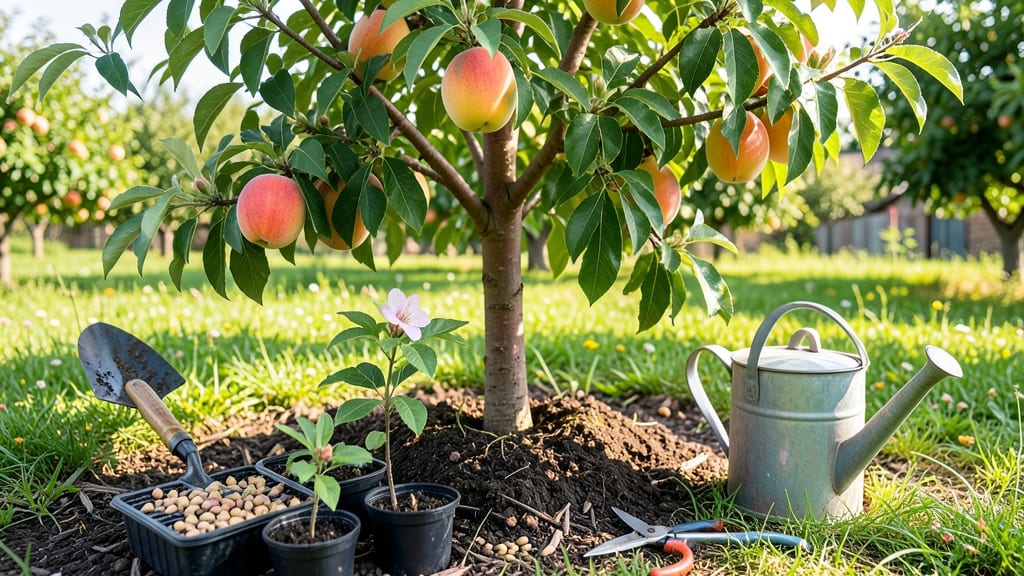
Growing a peach tree from seed to fruit is the ultimate gardening marathon—three to five years of patience before your first harvest, but the reward is a tree that produces fruit for decades. 🌱 I've watched my backyard peach tree go from a twig to a 12-foot powerhouse, and the secret isn't just time—it's knowing the right steps to take at every stage.
The process starts with the right seed (not all peaches produce true-to-type fruit), then moves through a delicate germination phase where warmth and moisture make all the difference.
Most people quit here, but the real magic happens in the pruning and training years—where you shape the tree's structure to maximize sunlight and airflow, setting it up for heavy fruit production.
By year four, you'll see those first fuzzy peaches forming, and with proper care, each tree can yield 50-100 pounds of fruit annually. The key is balancing patience with proactive care—watering deep but not drowning the roots, pruning for light penetration, and watching for pests before they become problems.
This isn't just about growing a tree; it's about creating a legacy. My tree now produces enough fruit to share with neighbors, and the process has become a family tradition. Let's break down exactly how to make it work for you.
📚 In This Guide
- What you need
- Instructions
- Tips and common mistakes
- Wrapping up and next steps
What you need
- ● Peach pit (seed): 1 fresh, unwashed pit from a ripe, organic peach (avoid store-bought seeds treated with chemicals).
- ● Growing containers: Small biodegradable pot (3–4 inches deep) for germination.
- ● Larger gallon-sized pot (10–12 inches) or nursery pot for saplings (with drainage holes!).
- ● Potting mix: 1 bag of well-draining, sterile seed-starting mix or a blend of 50% peat moss + 50% perlite.
- ● Grow lights or sunny windowsill: A full-spectrum LED grow light (12–16 hours/day) or a south-facing window (6+ hours of sunlight).
- ● Misting spray bottle: For gentle hydration during germination.
- ● Plastic wrap or humidity dome: To retain moisture while the seed sprouts.
- ● Fertilizer: Balanced liquid fertilizer (e.g., 10-10-10) for seedlings (dilute to half-strength!).
- ● Slow-release granular fertilizer (e.g., 10-20-20) for transplanting.
- ○ Pruning shears: Sharp, sterilized shears for shaping young trees (optional but helpful!).
- ● Garden gloves: To protect your hands from thorns and soil.
- ● Rooting hormone: Speeds up seedling growth (gel or powder form).
- ● Soil moisture meter: To monitor water levels without over-saturating.
- ● Tree supports: Stakes or cages for young trees in windy areas.
- ● Pest control: Neem oil or insecticidal soap for aphids/mites.
- ● Cold frame or greenhouse: Extends the growing season in cooler climates.
How to grow a peach tree from seed to fruit
Here's the straightforward method I've used to grow peach trees from seed—no shortcuts, just reliable steps.
🌱 Step 1: Select and Prepare the Seed
Start with fresh, plump peach pits from ripe, organic fruit. Remove the pit, clean off all flesh, and let it dry for 3-5 days at room temperature. This prevents mold and mimics natural conditions. I like to soak the dried pit in warm water for 24 hours before planting—this softens the hard shell and speeds up germination.
Use a sharp knife to carefully nick the pit's hard outer shell on one side, about 1/8 inch deep. This tiny scratch lets moisture penetrate without damaging the seed inside. Don't go deeper—you're just creating a tiny entry point, not cutting through. This step is crucial because peach pits have a thick, impermeable coating that would otherwise block water and air.
🪴 Step 2: Plant the Seed in a Controlled Environment
Fill a small pot—4-6 inches deep—with a mix of 50% potting soil and 50% perlite. This blend drains well while retaining enough moisture for the seed to sprout. Plant the nicked pit 1 inch deep, with the nick facing upward. Gently press the soil around it to ensure good contact.
Place the pot in a warm spot, ideally between 65-75°F. I use a seedling heat mat for consistent warmth, which helps germination. Keep the soil lightly moist—never soggy—by misting it every 2-3 days. You'll know it's time to water when the top inch feels dry to the touch. Germination can take 4-8 weeks, so patience is key.
☀️ Step 3: Transplant and Provide Optimal Growing Conditions
Once the seedling reaches 4-6 inches tall and shows 3-4 true leaves, it's ready for its first transplant. Choose a larger pot—8-10 inches deep—and use the same soil mix. Handle the seedling carefully by its leaves, not the stem, to avoid damage. Place it in the new pot and fill around the roots with soil, pressing lightly to remove air pockets.
Move the pot to a sunny location where it gets 6-8 hours of direct sunlight daily. If growing indoors, a south-facing window or grow light works best. Peach trees need plenty of light to develop strong stems and leaves. Watch for signs of legginess—thin, stretched stems with large gaps between leaves—which means the plant isn't getting enough light. Adjust the position or add a grow light if needed.
✂️ Step 4: Prune and Care for the Young Tree
When the seedling is 12-18 inches tall, it's time for the first pruning. Use clean, sharp pruning shears to trim back any weak or crossing branches. Focus on shaping the tree into a strong, open center. Remove any suckers—those are the small shoots growing at the base—and any leaves that look yellow or diseased. Pruning now encourages a sturdy structure for future fruit-bearing.
Water deeply once a week, ensuring the soil stays moist but not waterlogged. Mulch the soil surface with 2-3 inches of organic mulch to retain moisture and regulate soil temperature. In the first year, avoid fertilizing—you want the tree to focus on root and stem growth, not fruit production. This sets the foundation for a healthy, productive tree down the road.
🌿 Step 5: Prepare for Fruit Production
By the time your peach tree is 3-5 years old, it should be ready for its first potential fruit. This is when you'll need to pay close attention to pollination. Peach trees are self-pollinating, but having another peach tree nearby—even a different variety—can significantly increase fruit set. Watch for pink blossoms in spring, which signal the tree is preparing to fruit.
Thin out any fruit that forms to 6-8 inches apart on the branches. This ensures the remaining fruit grows larger and the tree doesn't get overburdened. Keep the soil consistently moist during the growing season, and apply a balanced fertilizer in early spring to support new growth. With patience and care, your peach tree will eventually reward you with delicious, homegrown fruit.
Tips & tricks for perfect peach tree growth from seed
Growing a peach tree from seed takes patience, but these little details make all the difference between a thriving tree and a struggling sapling.
Seed Preparation: After cleaning your peach pits, I've found that soaking them in warm water for the full 24 hours makes a noticeable difference in germination speed. The warm water helps soften the pit's hard shell, allowing moisture to penetrate more effectively. Pro tip: Use filtered water—chlorine can inhibit germination. Also, when nicking the pit, aim for that 1/8-inch depth precisely; any deeper risks damaging the seed inside. I use a fine-tooth saw for this step—it gives me better control than a knife.
Germination Environment: The 65-75°F temperature range is ideal, but don't worry if your home doesn't stay perfectly consistent. I've had success using a simple seedling heat mat under the pot, which maintains warmth without requiring constant monitoring. For humidity control, place the pot on a tray filled with pebbles and water—this creates a natural humid microclimate. Just be sure the pot isn't sitting directly in water, as soggy soil can cause rot.
Transplanting Timing: Waiting until your seedling reaches 4-6 inches with 3-4 true leaves ensures it has enough energy reserves for the transplant shock. I've learned the hard way that moving too soon can stunt growth. When transplanting, focus on keeping the root ball intact—gently squeeze the sides of the old pot to encourage the roots to stay together. This minimizes damage and helps the tree establish faster in its new home.
Sunlight Strategy: The 6-8 hours of direct sunlight requirement is non-negotiable, but here's what I've discovered: If you're growing indoors, supplement with a grow light for at least 10-12 hours daily. Position the light just 6-12 inches above the plant and adjust as it grows. Watch for legginess—the classic sign of insufficient light—and adjust immediately. Outdoor growers should rotate pots weekly to ensure even growth all around the tree.
Pro Tips for Peach Tree From Seed To Fruit
- Growing a peach tree from seed takes patience, but these little details make all the difference between a thriving tr...
- Seed Preparation: After cleaning your peach pits, I've found that soaking them in warm water for the full 24 hours ma...
- Germination Environment: The 65-75°F temperature range is ideal, but don't worry if your home doesn't stay perfectly ...
Frequently asked questions
Got questions about growing your own peach tree from seed? You’re not alone! Here are some of the most common queries—and their simple, actionable answers—to help you navigate the journey from seed to sweet fruit.
How long does it take for a peach tree grown from seed to bear fruit?
A peach tree grown from seed can take 5 to 10 years to produce fruit, depending on the variety, climate, and care. Unlike grafted trees (which fruit in 2–4 years), seed-grown trees may not yield true to the parent fruit’s traits—so be patient! For faster results, consider grafting a known variety onto your seedling.
Can I grow a peach tree from seed in cold climates?
Yes, but choose cold-hardy varieties like ‘Reluctant’ or ‘Contender’ and plant in a sheltered spot. Young trees need winter protection (mulch, burlap wraps) until established. Avoid late-spring frosts by planting in full sun and watering deeply before dormancy. If your zone is below 5, consider container growing or microclimates.
Will a peach pit from a store-bought peach grow into a fruit-bearing tree?
Technically yes, but the fruit may not resemble the parent peach—seed-grown trees often produce smaller, less predictable fruit due to genetic variation. For consistent harvests, save seeds from heirloom or local varieties or buy grafted trees. If experimenting, plant multiple pits to increase odds of a decent tree!
What are the most common problems when growing peach trees from seed?
Watch for:
- Pests: Aphids, peach tree borers, and scale insects. Use neem oil or introduce ladybugs early.
- Diseases: Brown rot (fungus) or leaf curl. Prune for airflow and apply copper fungicide preventatively.
- Poor Pollination: Hand-pollinate with a paintbrush if bees are scarce.
- Slow Growth: Ensure well-draining soil and full sun (6+ hours/day). Fertilize lightly in spring with citrus-specific or fruit-tree blend.
Can I grow a peach tree in a container? What’s the best setup?
Use a 5-gallon+ pot with drainage holes, filled with a mix of potting soil, compost, and perlite. Choose dwarf varieties like ‘Bonanza’ or ‘Redhaven.’ Place in full sun, water deeply when the top 2 inches of soil dry, and repot every 2–3 years. Containers limit root growth, so expect smaller trees—but they’re perfect for patios or urban gardens!
Pro Tip:
Struggling with seed germination? Try stratification: Soak the pit in water for 24 hours, then refrigerate in a damp paper towel for 4–6 weeks before planting. This mimics winter conditions and boosts sprout rates!
Wrapping up and next steps
Growing a peach tree from seed to fruit is a rewarding journey filled with patience, care, and the joy of nurturing life! 🌱 From selecting the right seed to harvesting your first sweet peaches, every step is a chance to connect with nature—and yes, it is possible to extend your harvest year-round with the right techniques.
Whether you're a beginner or a seasoned gardener, your efforts will soon be celebrated with juicy, homegrown peaches that taste like summer.
Now that you’re armed with year-round harvesting secrets, why not take the next step? Experiment with grafting to introduce new varieties, or share your peach tree with neighbors to spread the bounty. Your garden—and your taste buds—will thank you! 🍑✨