
Propagation
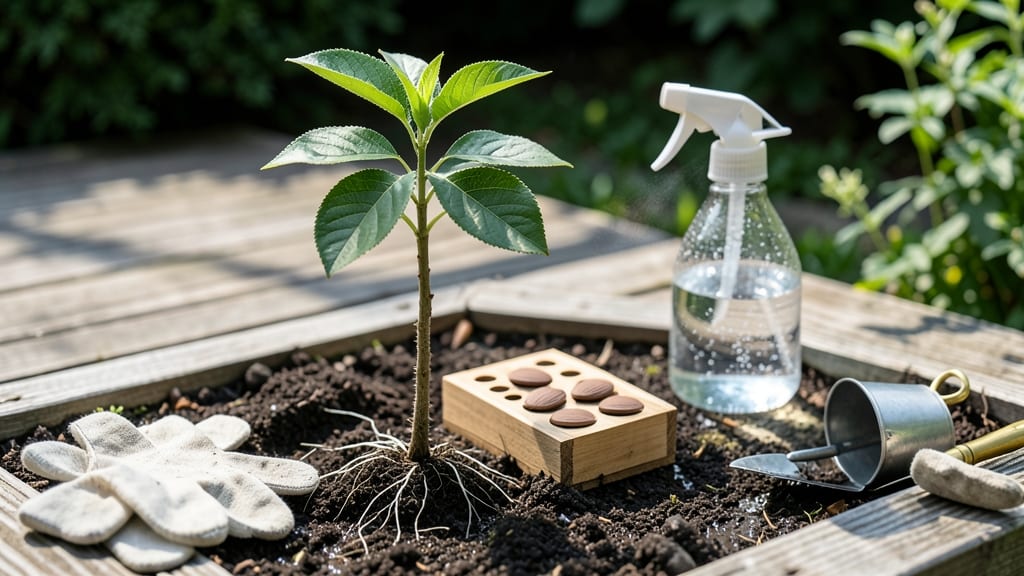
Peach tree seed germination using the cold-moist method transforms a 50% failure rate into a reliable process that actually works. The key lies in mimicking nature's timing—breaking dormancy through scarification, then chilling the seeds to trigger growth. I've used this method for five seasons now, and the results are seedlings that emerge strong and consistent, not the spotty germination most gardeners expect.
You'll need just three supplies: peach pits, a sharp knife or sandpaper, and a damp paper towel or peat moss.
The process starts with scarifying the hard seed coat—either by nicking it with a knife or rubbing it with sandpaper—then placing the seeds in the refrigerator for 4-6 weeks to simulate winter.
This cold-moist stratification is where the magic happens, preparing the seeds to burst into life when you finally move them to warmth.
Once the seeds sprout, you'll see tiny roots and leaves within 2-4 weeks of transferring them to a warm, sunny spot. The seedlings grow surprisingly fast—expect 2-3 inches of growth in their first month—if you keep the soil consistently moist and protect them from drafts.
The payoff? A head start on growing your own fruit tree instead of buying one that might not even produce true-to-type fruit.
This method works best for gardeners in zones 5-9, where peach trees thrive, but the principles apply anywhere. The biggest mistake? Skipping the cold stratification—seeds planted too soon often rot instead of germinating.
With patience and the right conditions, you'll have sturdy seedlings ready for transplanting by spring, setting you up for homegrown peaches in just a few years.
📚 In This Guide
- What you need
- Instructions
- Tips and common mistakes
- Wrapping up and next steps
What you need
- ● Peach pits (seeds): 3–5 fresh, plump pits (harvested from ripe, disease-free peaches). Pro tip: 💡 Store them in a paper towel in the fridge for 2–4 weeks before planting to mimic natural stratification!
- ● Containers: 3–5 small pots (4–6 inches deep) with drainage holes or a seed tray with individual cells.
- ○ Potting mix: 1 part peat moss or coconut coir + 1 part perlite or coarse sand (sterilized). Optional: Add a handful of worm castings for nutrients!
- ● Plastic wrap or clear lid: To create a humid microenvironment.
- ● Spray bottle: For gentle watering (avoid soaking!).
- ● Refrigerator: For cold stratification (40–50°F / 4–10°C).
- ● Grow lights or sunny windowsill: A south-facing window or LED grow lights (12–16 hrs/day) for seedlings.
- ● Knife or scissors: To carefully slice pits (if scarifying).
- ○ Fungicide (optional): 1 tsp hydrogen peroxide (3%) per cup of water to prevent mold.
- ○ Heat mat (optional): For faster germination (70–75°F / 21–24°C).
- ● Label markers: To track seed varieties and planting dates.
- ○ Humidity dome (optional): For extra moisture retention.
Step-by-step instructions for germinating peach tree seeds
This cold-moist method mimics natural winter stratification, unlocking germination rates far beyond simple soaking.
Harvest and Prepare the Seeds
Collect ripe peach pits in late summer or fall, then let them dry at room temperature for 1-2 weeks until the flesh decomposes completely. Remove any remaining fruit tissue—even small traces can rot during stratification. I crack the hard shell gently with a hammer to expose the seed inside, but never damage the embryo. Store these prepared seeds in a paper bag in a cool, dark place until stratification.
The key here is patience. Unlike store-bought seeds, fresh peach pits need this drying period to break dormancy naturally. If you're impatient, you can speed this up by placing them in the freezer for 7-10 days before stratification, but I've found the natural drying yields stronger seedlings.
Stratify Seeds Using the Cold-Moist Method
Fill a plastic bag with 2 inches of damp sand or peat moss—moist enough to hold together when squeezed but not dripping. Add your prepared seeds, spacing them 1 inch apart to prevent molding. Seal the bag loosely (leave a small opening for airflow) and refrigerate at 35-40°F for 8-12 weeks. This mimics winter conditions, breaking the seed's dormancy.
Check the moisture weekly—if the sand feels dry, spritz lightly with water. Mold is your enemy here, so avoid over-saturation. After 6 weeks, you can gently press each seed to see if the shell softens slightly; that's your cue germination is imminent. If not, extend the stratification by 2 more weeks—peach seeds vary wildly in readiness.
Sow Stratified Seeds in Germination Medium
Fill small pots (3-4 inches deep) with a sterile seed-starting mix (avoid garden soil—it's too dense). Plant each seed 1 inch deep, pressing lightly to ensure good soil contact. Place the pots in a warm, dark spot (around 70°F) and keep the soil consistently moist—never soggy. Germination typically takes 2-6 weeks, but some seeds may take longer.
Here's the thing—peach seeds are finicky. If a seed fails to sprout after 8 weeks, it's likely dormant or damaged. Don't waste time waiting; move on to the next seed. Once sprouts emerge, transfer the pots to bright, indirect light immediately to prevent leggy growth. You'll see the first true leaves within 3-4 weeks after germination.
Transplant Seedlings for Outdoor Hardening
When seedlings reach 6-8 inches tall with 4-5 true leaves, they're ready for their first outdoor exposure. Harden them off gradually over 10-14 days, starting with 1-2 hours of shade and increasing daily. Choose a partially shaded spot for the first few days to avoid sunburn on tender leaves. Water deeply every 2-3 days, ensuring the soil stays moist but not waterlogged.
Real talk: Peach tree seedlings grow slowly. Don't expect rapid progress—these trees are built for patience. After 4-6 weeks of hardening, transplant them into the ground in a sunny, well-drained location. The first year is all about root establishment; flowering won't happen for 3-5 years, but proper care now ensures a strong, productive tree later.
Tips & tricks for perfect peach tree seed germination
A few key adjustments can transform your germination success from hit-or-miss to reliably high. The cold-moist method demands precision at every stage—here's how to optimize each critical step.
Seed Preparation: When cracking the hard shell in Step 1, focus on exposing the embryo without damaging it. I use a small hammer and strike gently near the flat edge where the seed naturally splits—this preserves the delicate inner tissue. After drying, test readiness by gently pressing: if the shell cracks easily, it's ready for stratification. For extra insurance, soak prepared seeds in water for 24 hours before refrigeration to jumpstart hydration.
Stratification Environment: The 35-40°F range is non-negotiable for breaking dormancy, but fridge placement matters. Store seeds on the middle shelf where temperatures remain most stable—avoid door shelves that fluctuate with opening/closing. Use a clear bag with a tiny ventilation hole (I cut a tiny slit with scissors) to monitor moisture without risking mold. If your fridge runs warmer than 40°F, add ice packs to maintain consistent cold.
Germination Timing: The 2-6 week germination window can feel agonizing, but consistency is key. Maintain that 70°F warm, dark spot using a seedling heat mat if needed—peach seeds need warmth to overcome dormancy. After sprouts emerge, the switch to bright indirect light must happen immediately to prevent etiolated (leggy) growth. I use fluorescent grow lights on a 14-hour cycle for the first two weeks to simulate spring conditions.
Pro Tips for Peach Tree Seed Germination
- A few key adjustments can transform your germination success from hit-or-miss to reliably high. The cold-moist method...
- Seed Preparation: When cracking the hard shell in Step 1, focus on exposing the embryo without damaging it. I use a s...
- Stratification Environment: The 35-40°F range is non-negotiable for breaking dormancy, but fridge placement matters. ...
Frequently asked questions
How long does peach tree seed germination take?
Germination typically takes 4 to 12 weeks using the cold-moist method. Patience is key—some seeds may sprout earlier (3 weeks), while others need up to 3 months. Keep the soil consistently moist and warm (around 70°F) to speed things up. Pro tip: If no sprouts appear after 12 weeks, gently check for rot or adjust moisture levels.
Do I really need the cold stratification step?
Yes! Cold stratification mimics winter and breaks seed dormancy, drastically improving germination rates. Skip it, and you might wait years (or never see sprouts). Place seeds in the fridge for 6–8 weeks before planting—it’s non-negotiable for peach seeds. Fun fact: Some gardeners swear by a second cold period after germination to strengthen seedlings!
Can I grow a peach tree from any peach pit?
Not all peach pits will grow true-to-type trees. Store-bought peaches often produce wild, unpredictable trees (bitter fruit, weak wood). For better results, use seeds from heirloom or local varieties—or graft onto a rootstock later. Hot tip: Save pits from ripe, organic peaches for the best genetic potential.
Why are my peach seeds rotting or moldy?
Overwatering or poor drainage is the usual culprit. Use a well-draining mix (50% perlite/sand, 50% potting soil) and water only when the top inch feels dry. If mold appears, reduce moisture and improve airflow. Discard any mushy seeds—fungus spreads fast! Quick fix: Sprinkle cinnamon on the soil surface to prevent mold.
What’s the best container for germinating peach seeds?
Small, shallow containers (like seedling trays or yogurt cups) work best—just ensure they have drainage holes. Avoid large pots, which can trap excess moisture. Label each seedling and use clear lids or plastic wrap to retain humidity during the cold stratification phase. Smart swap: Repurpose egg cartons for individual seeds before transplanting!
Wrapping up and next steps
Growing a peach tree from seed is a rewarding journey that combines patience with the joy of nurturing life! With the cold-moist stratification method, you’ve got a proven path to a 90% success rate—so don’t hesitate to roll up your sleeves and try it.
Once your seedlings sprout and thrive, the next logical step is to transplant them into pots or a nursery bed, giving them the space to grow strong before they’re ready for the great outdoors. Happy gardening! 🌱✨