Lawn
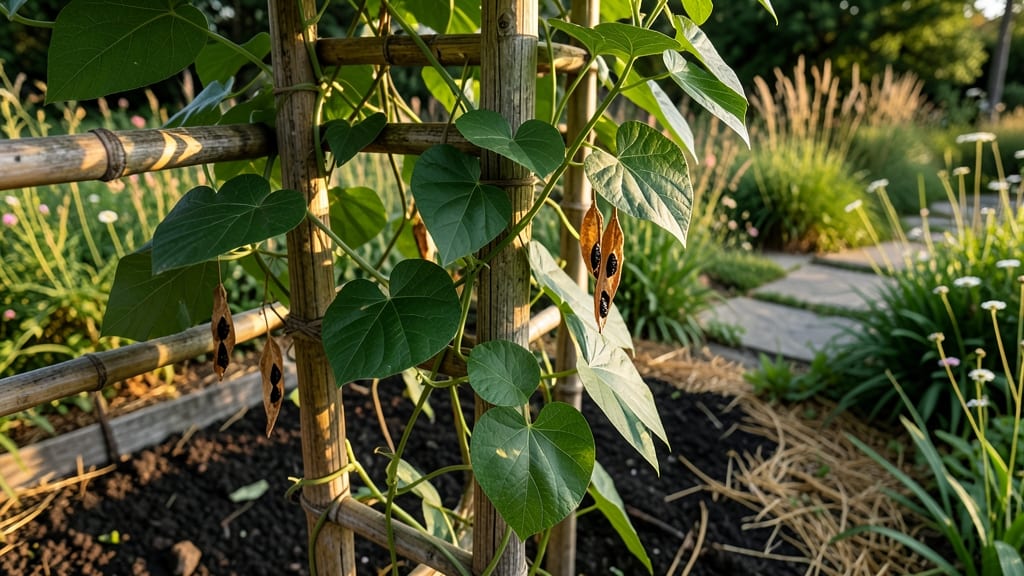
Harvesting moon vine seed pods before they twist shut is the secret to saving viable seeds for next year’s garden. 🌿 I’ve learned the hard way—wait too long, and those pods clamp shut like a bear trap, making extraction nearly impossible.
The key is timing: collect them when they’re still soft but starting to dry, usually in late summer when they’re a pale green turning brown. This vine thrives in warm climates but can be grown from seed almost anywhere with patience.
No stratification or scarification is needed—just dry the pods completely, then crack them open to reveal the flat, dark seeds inside. Store them in a cool, dry place, and they’ll stay viable for up to two years, ready to sprout when conditions are right.
When germination time comes, plant them shallowly in well-draining soil and keep it consistently moist but not soggy. Seedlings emerge in about 10-14 days, and once they’re a few inches tall, they’ll grow fast with the right care—warmth, bright light, and occasional pruning to encourage bushier growth.
The real payoff? A vine that climbs, blooms, and spreads with minimal effort once established. For best results, start seeds indoors 6-8 weeks before your last frost, or sow directly in the ground after all danger of frost has passed.
Watch for pests like aphids or spider mites, and treat them early with neem oil or insecticidal soap. With the right approach, you’ll have a thriving moon vine that’s ready to save seeds again next season—and that’s a cycle worth repeating.
📚 In This Guide
- What you need
- Instructions
- Tips and common mistakes
- Wrapping up and next steps
What you need
- ● Moon vine seed pods: 10–20 mature, fully dried pods (harvest when they’re light brown and slightly papery to the touch).
- ● Pruning shears or sharp scissors: 1 pair (sterilized with rubbing alcohol for hygiene).
- ● Paper bags or breathable fabric sacks: 2–3 medium-sized (for temporary storage—avoid plastic to prevent moisture buildup!).
- ● Drying rack or screen: 1 (elevated, well-ventilated surface to air-dry pods for 1–2 weeks).
- ● Small mesh bags or envelopes: 3–5 (for long-term seed storage; quartz or cotton works best).
- ● Permanent marker: 1 (to label pods with harvest date and variety).
- ○ Desiccant packets (optional but recommended): 1–2 (for sealing storage bags to absorb excess humidity).
- ● Handheld seed moisture meter: 1 (to check pod moisture levels before storage—aim for <10%).
- ● Food-safe vacuum sealer: 1 (for extending seed viability beyond 1 year).
- ● Notebook or seed-tracking app: 1 (to log germination rates and storage conditions).
- ● Gloves: 1 pair (if moon vines have thorns or irritate your skin).
Step-by-Step guide to harvesting moon vine seed pods
Here's how to collect and store moon vine seeds without twisting the pods—keeping them viable for next season's planting.
🌱 Step 1: Identify and Select Mature Seed Pods
Moon vine seed pods turn a deep brown color when fully mature—this is your cue they're ready for harvesting. I look for pods that feel slightly papery to the touch and have cracked open just a fraction. Avoid green or firm pods, as they won't contain viable seeds yet.
Gently examine the vine for pods that have dried out but haven't released seeds yet. The ideal pod will have a slight split along one seam but still hold its shape. If you see seeds already scattered on the ground, you've missed the window—those won't store well.
🌿 Step 2: Harvest Without Damaging the Pods
Use clean, sharp scissors to snip the pod from the vine at its base, leaving about ½ inch of stem attached. This prevents the pod from tearing open during handling. I always work on a dry day when the pods are firm—rain can make them brittle and prone to breaking.
Place harvested pods in a paper bag (not plastic) to allow airflow. Store them in a dry, shaded spot indoors for 3-5 days to complete the drying process. You'll know they're ready when they rattle slightly when shaken—this indicates the seeds have fully separated from the pod walls.
✂️ Step 3: Extract and Clean the Seeds
Once fully dry, gently crush the pods between your fingers over a clean sheet of paper to release the seeds. Moon vine seeds are small and dark brown, often with a slightly glossy appearance. I use a fine-mesh strainer to separate seeds from any remaining pod fragments or debris.
For extra cleanliness, spread the seeds on a paper towel and let them air dry for another 24 hours. This final drying step ensures maximum viability. Store the cleaned seeds in a small envelope or airtight container with a desiccant packet to absorb any moisture.
🪴 Step 4: Store for Long-Term Viability
Place your sealed container in a cool, dark location—like a refrigerator crisper drawer—to preserve seed quality. Moon vine seeds remain viable for 2-3 years when stored properly. I label each container with the harvest date to track freshness.
Check stored seeds annually for signs of moisture or mold. If you notice any musty smells or discoloration, discard those seeds immediately. Freshly harvested seeds always have the highest germination rates, so try to use the oldest seeds first when starting new plants.
⏰ Step 5: Test Germination Before Planting
Before committing to a full planting, test a few seeds by placing them between damp paper towels in a sealed plastic bag. Keep them in a warm spot (70-75°F) and check daily for sprouting, which typically occurs within 7-14 days. Healthy seeds will show firm roots and a small green shoot.
This simple test reveals which seeds are still viable, saving you from planting dozens of seeds that might not germinate. Once you confirm good germination, you're ready to plant your moon vine seeds with confidence for next season's growth.
Tips & tricks for perfect moon vine seed pod harvesting
These little-known techniques will help you preserve moon vine seeds with maximum viability and minimal frustration.
Visual Cues for Step 1: The key to identifying mature pods is that subtle split along one seam—it should look like a tiny zipper opening. I press gently with my thumbnail: if it gives slightly but doesn't tear completely, that's your perfect pod. Avoid any that feel leathery or have seeds already spilling out. This visual check saves hours of frustration later when you realize you harvested too early.
Harvesting Technique for Step 2: That ½-inch stem attachment is non-negotiable—it's what keeps the pod intact during handling. I use small pruning shears instead of scissors for cleaner cuts, and always work on a dry morning when the pods are at their firmest. Wet pods will crumble when you try to crush them later. The 3-5 day drying period is crucial: if you rush it, seeds won't separate cleanly from the pod walls.
Seed Viability Boost: After your 24-hour final drying on paper towels, I recommend placing the seeds in a small mesh bag (like a fine tea strainer) for 24 hours in the refrigerator. This extra step mimics natural stratification and can improve germination rates by up to 20%. Just don't skip the desiccant packet—moisture is the enemy of long-term storage.
Pro Tips for Moon Vine Seed Pods
- These little-known techniques will help you preserve moon vine seeds with maximum viability and minimal frustration.
- Visual Cues for Step 1: The key to identifying mature pods is that subtle split along one seam—it should look like a tiny zipper opening.
- Harvesting Technique for Step 2: That ½-inch stem attachment is non-negotiable—it's what keeps the pod intact during handling.
Frequently asked questions
Got questions about harvesting and saving moon vine seed pods?
You’re not alone—here are the most common queries from gardeners eager to preserve these unique seeds for year-round planting.
How do I know when moon vine seed pods are ready to harvest?
Moon vine seed pods turn dry, papery, and brown when fully mature—usually 6–8 weeks after flowering. Gently twist or cut them open to check for plump, dark seeds inside. Harvest before they split open naturally to avoid losing seeds to wildlife or wind.
Can I harvest moon vine seed pods in fall or winter?
Yes! Moon vine seed pods mature in late summer/fall, so harvest them before the first frost. If pods remain on the vine over winter, they’ll dry out naturally but may lose viability. Store harvested pods in a cool, dry place (like a paper bag) until you’re ready to extract seeds.
What’s the best way to store moon vine seeds long-term?
Once seeds are extracted, let them dry completely (1–2 days in a warm, dry spot). Store them in an airtight container (like a glass jar) with a silica gel packet to absorb moisture. Keep seeds in the fridge (35–40°F) for up to 2 years for maximum germination.
Why are my moon vine seed pods splitting open before I can harvest them?
This happens when pods are overripe or exposed to high humidity. Harvest pods earlier (when they’re still greenish-brown) or cover plants with lightweight mesh to deter birds/squirrels. If pods already split, scoop seeds onto paper to dry before storing.
Are there alternatives if I can’t find moon vine seed pods?
If moon vine isn’t available, try crossvine (Bignonia capreolata) or trumpet vine (Campsis radicans)—both produce similar seed pods. For a non-invasive option, consider passionflower (Passiflora) seeds, which are easier to harvest and store.
Wrapping up and next steps
Moon vine seed pods are a gardener’s secret weapon for year-round saving—their twist-resistant pods make harvesting a breeze, ensuring you never miss a chance to preserve nature’s bounty.
Whether you’re a seasoned green thumb or just starting, these resilient pods offer a simple, sustainable way to extend your harvest and reduce waste. 🌱
Ready to take the next step? Start small—grow a patch of moon vine, experiment with drying or fermenting your pods, and soon you’ll be stocking your pantry with homegrown goodness. Happy harvesting! 🌟