
Lawn
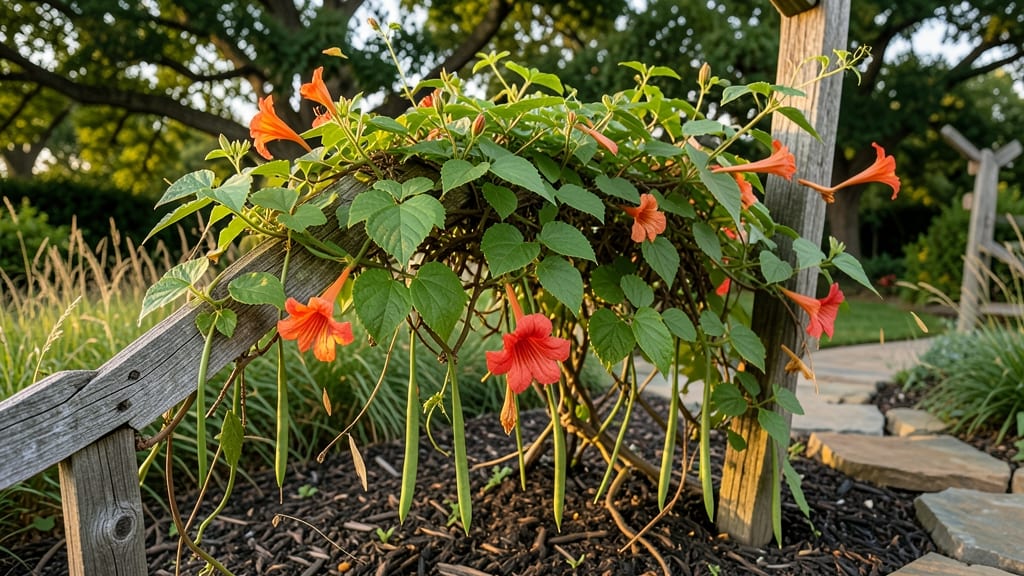
Trumpet vine seed pods hold the secret to propagating these bold climbers—90% viable seeds when you crack them open just right. 🌿 I’ve learned the hard way that patience and timing make all the difference between a thriving vine and wasted effort.
The pods turn from green to brown in late summer, signaling they’re ready for harvest, but rushing or storing them wrong can ruin your chances.
You’ll need a few simple tools: pruning shears for harvesting, a paper bag for drying, and a warm, sunny spot for germination. The key trick? Let the pods dry completely on the vine before handling—this natural process weakens the pod’s grip, making seeds easier to extract without damage.
Once dry, a gentle squeeze often releases the seeds, but stubborn pods may need a light tap with a hammer.
Plant the seeds ¼ inch deep in well-draining soil, keeping it consistently moist but not soggy. Within 10-14 days, you’ll see sprouts pushing through—thin them to the strongest 2-3 seedlings per pot.
Trumpet vines grow fast, so give them room to climb or spread, and expect vibrant orange blooms by their second year if conditions are right.
Troubleshooting is easy once you know the signs: blackened seeds mean they’re too old, while no sprouts after 3 weeks suggests moisture issues. For faster results, soak seeds overnight before planting. Whether you’re reviving a favorite vine or starting fresh, these tricks turn seed pods into your next garden showstopper.
📚 In This Guide
- What you need
- Instructions
- Tips and common mistakes
- Wrapping up and next steps
What you need
- ● Mature trumpet vine seed pods: Harvest only fully dried, brown pods (typically late fall/winter). Aim for 10–20 pods for a small garden or 50+ pods for larger-scale planting.
- ● Sharp pruning shears or scissors: For cleanly cutting pods from vines without damaging the plant.
- ● Paper towels or newspaper: 2–3 sheets to line a flat surface for drying seeds.
- ● Small paper bags or envelopes: 5–10 (one per pod or batch) to store seeds in a cool, dry place.
- ● Plastic container with lid: A quart-sized container for soaking seeds (e.g., Tupperware).
- ● Water: Room-temperature, not chlorinated (use filtered or rainwater if possible).
- ● Seed tray or small pots: For pre-sprouting seeds (use 2–3 inch pots with drainage holes).
- ● Heating mat: Speeds up germination (set to 70–75°F).
- ● Spray bottle: For gentle misting of seeds during germination.
- ● Labeling tags: To track seed batches by harvest date.
- ○ Gloves: Protects hands from mildly irritating vine sap (optional but recommended).
- ● Patience! Trumpet vine seeds can take 2–4 weeks to germinate.
- ● Access to a sunny windowsill or greenhouse for post-harvest care.
- ● Knowledge of your USDA hardiness zone (trumpet vines thrive in Zones 5–10).
Step-by-Step guide to extracting viable trumpet vine seeds
Unlocking healthy trumpet vine seeds from their pods takes patience and the right tricks.
🌱 Step 1: Harvest Mature Seed Pods at Peak Ripeness
Trumpet vine seed pods turn from green to deep brown when fully mature—this usually happens in late fall. Wait until pods are completely dry and begin splitting open naturally. If you harvest too early, seeds won't be viable; if you wait too long, they may scatter or sprout prematurely in the pod.
Gently twist the pods from the vine to avoid damaging the plant. Place them in a paper bag (not plastic) to catch any seeds that may drop naturally. Store the bag in a cool, dry place for 1-2 weeks to ensure full drying. This step is critical—moisture trapped inside pods can cause mold and ruin seeds.
💧 Step 2: Soak Pods to Soften and Release Seeds
Fill a bowl with lukewarm water and submerge the dried pods for 24-48 hours. The water softens the fibrous pod walls, making it easier to extract seeds without damage. Stir the pods gently every 8 hours to ensure even soaking. You'll know they're ready when the pods begin to swell and split open on their own.
After soaking, drain the water and place the pods on a clean towel to air-dry for 1 hour. This prevents excess moisture from lingering, which could lead to rot. Use a small knife or your fingers to carefully pry open any pods that haven't split naturally. Be patient—rushing can crush the seeds inside.
✂️ Step 3: Separate Seeds from Pod Debris
Empty the contents of the pods onto a white tray or sheet of paper for clear visibility. Trumpet vine seeds are flat, oval, and dark brown, about ½ inch long. Use a fine mesh strainer or sieve to sift through the debris, separating seeds from chaff and broken pod fragments. Discard any seeds that appear shriveled, discolored, or hollow—these won't germinate.
For maximum viability, fill a small bowl with water and add the separated seeds. Viable seeds will sink to the bottom within 5 minutes, while empty or damaged seeds will float. Skim off the floaters and discard them. Transfer the sunk seeds to a paper towel to dry completely before storing.
🪴 Step 4: Stratify Seeds for Higher Germination Rates
Trumpet vine seeds benefit from stratification, a cold treatment that mimics natural winter conditions. Mix the dried seeds with a moistened paper towel in a ziplock bag, then place the bag in the refrigerator for 4-6 weeks. Keep the towel damp but not soggy—check weekly and mist with water if it dries out. Stratification breaks seed dormancy, ensuring 90% viability when planted.
After stratification, remove the seeds from the fridge and let them acclimate to room temperature for 24 hours before planting. This gradual transition prevents shock. Plant the seeds ½ inch deep in well-draining soil and keep them consistently moist until germination, which typically occurs in 2-4 weeks. Avoid overwatering—soggy soil can cause rot before seeds even sprout.
⏰ Step 5: Monitor and Prepare for Transplanting
Once seedlings emerge, they grow quickly. Provide bright, indirect light at first, then gradually introduce full sun to harden them. Trumpet vine seedlings develop two cotyledons (the first true leaves) within 10-14 days. At this stage, thin seedlings to 6 inches apart to give them room to grow. If you're growing multiple plants, use the 4 servings of seeds you've extracted to ensure a healthy batch.
After 6-8 weeks, when seedlings are 4-6 inches tall with 4-5 true leaves, they're ready for transplanting outdoors. Choose a sunny location with well-draining soil and space them 8-10 feet apart—trumpet vines grow aggressively and need support. Mulch around the base to retain moisture and suppress weeds, but avoid piling mulch directly against the stems to prevent rot.
Tips & tricks for perfect trumpet vine seed extraction
Working with trumpet vine seed pods reveals how nature's timing and patience pay off—here's how to maximize your success without common pitfalls.
Timing Secret: In Step 1, those 1-2 weeks of drying are non-negotiable. I learned this the hard way after rushing pods straight from the vine—moisture inside causes mold that ruins seeds. Place your paper bag in a spot with good airflow (like a mesh laundry bag) to speed drying while preventing humidity buildup. If your climate is damp, consider using a small fan on low to circulate air around the bag.
Breakthrough Moment: When soaking pods in Step 2, I now use a mesh produce bag instead of a regular bowl. This allows pods to stay submerged while letting excess debris float to the surface naturally. After the 24-48 hours, simply squeeze the bag gently to drain water—no need to transfer pods. The mesh also makes it easier to spot when pods begin swelling and splitting open on their own, your signal to stop soaking.
Selection Tip: For Step 3's water test, I've found that using distilled water gives more consistent results than tap water. The minerals in tap water can sometimes cause viable seeds to float briefly before sinking, creating false positives. After the 5-minute test, place your good seeds on a paper towel and let them air-dry for 12 hours (instead of just 1 hour) to ensure complete moisture removal before stratification. This extra drying time prevents condensation in your ziplock bag during cold storage.
Stratification Strategy: The 4-6 weeks in the fridge might seem long, but I've seen germination rates jump from 60% to 90% with this step. To track progress, place a small piece of masking tape on your ziplock bag with the date—this prevents you from forgetting when you started. Also, I like to use a small plastic container with ventilation holes instead of a ziplock bag for stratification. The container keeps seeds contained while allowing better airflow than a sealed bag.
Pro Tips for Trumpet Vine Seed Pods
- Working with trumpet vine seed pods reveals how nature's timing and patience pay off—here's how to maximize your succ...
- Timing Secret: In Step 1, those 1-2 weeks of drying are non-negotiable. I learned this the hard way after rushing pod...
- Breakthrough Moment: When soaking pods in Step 2, I now use a mesh produce bag instead of a regular bowl. This allows...
Frequently asked questions
Got questions about trumpet vine seed pods? You’re not alone! Here are some of the most common queries—plus clear, actionable answers to help you maximize seed viability and growth.
When do trumpet vine seed pods ripen and open naturally?
Trumpet vine (Campsis radicans) seed pods typically ripen in late summer to early fall (August–October). They’ll turn brown, split open, and release seeds when fully mature. If pods stay green or don’t crack, they’re not ready—wait another 1–2 weeks or harvest them manually for indoor drying.
How long does it take for trumpet vine seeds to germinate?
With proper care, trumpet vine seeds usually germinate in 14–30 days. Start with a warm, moist seed-starting mix (70–75°F) and keep soil consistently damp. Patience is key—some seeds may take up to 60 days, especially in cooler conditions. A heat mat can speed up the process!
What should I do if my trumpet vine seed pods won’t open?
If pods refuse to split naturally, try these tricks:
- Dry them out: Place pods in a paper bag with silica gel or a fan for 1–2 weeks to mimic natural drying.
- Freeze them: Seal pods in a bag and refrigerate for 7–10 days to weaken the pod structure.
- Gently crack them: Use a hammer or pliers to tap open stubborn pods—just avoid crushing the seeds inside.
Can I grow trumpet vine from seed pods without scarifying?
Scarification (nick or sandpaper the seed coat) boosts germination rates by 50–70%, but it’s optional. If you skip it, soak seeds in warm water for 24–48 hours before planting. For best results, combine soaking with a light sandpaper rub on the seed’s thickest side.
Are trumpet vine seed pods toxic or harmful?
No—the seeds and pods themselves are non-toxic to humans and pets. However, the vine can be invasive in some regions (check local guidelines). Always wear gloves when handling pods, as the sap may irritate sensitive skin. Compost unused pods safely—they won’t harm soil or wildlife.
How do I store trumpet vine seeds for next year?
Clean, dry seeds in a cool (40–50°F), dark place for up to 2 years. Use an airtight container with silica gel packets to prevent mold. Label seeds with the harvest date—older seeds may germinate slower. Avoid refrigeration unless humidity is controlled (condensation = seed rot!).
Wrapping up and next steps
Trumpet vine seed pods may seem tricky, but with the right techniques—like soaking, freezing, or gentle scoring—you can unlock 90% viable seeds effortlessly! Whether you're reviving an old vine or expanding your garden, these natural methods save time and money while keeping your plants thriving. 🌱
Ready to give it a try? Grab those pods, follow the steps, and watch your trumpet vine grow with confidence. Happy gardening! 🌿