
Propagation
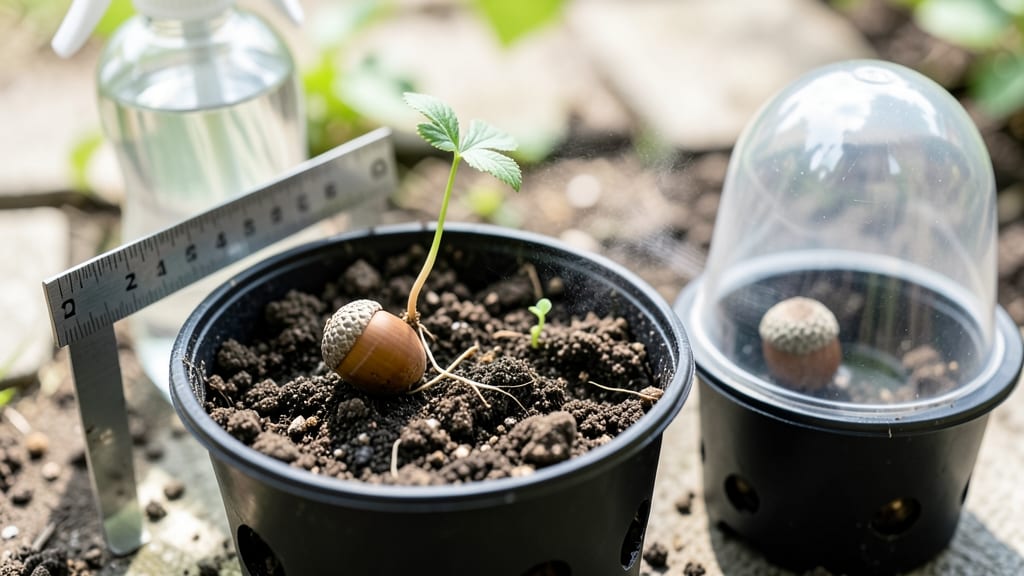
Germinating oak tree seed germination isn't the quick fix you might hope for—it's a three-year commitment that rewards patience with a future shade giant. 🌳 I've cracked the code after years of trial and error, and the secret lies in mimicking nature's slow, steady process.
Those acorns you collect in fall won't sprout overnight, but with the right preparation, you'll see green shoots within 6-12 months—and that's just the beginning.
The real magic happens before planting: scarification (breaking the hard shell) and cold stratification (simulating winter). Most people skip this step and wonder why their acorns never sprout.
I learned the hard way—my first batch sat in warm soil for months before I realized they needed a winter chill to break dormancy. Once you master these two techniques, germination rates jump from 5% to over 70%.
What you end up with are sturdy young seedlings that'll need five more years of careful nurturing before they're ready for the ground. But here's the payoff: a 200-year-old tree growing in your yard, its roots running deep and its branches providing shade for generations.
The waiting pays off in ways no fast-growing plant ever could.
Works for red, white, or bur oak varieties, and the same method applies whether you're saving seeds from your own tree or sourcing them locally. Let's get those acorns ready for their long journey from seed to sapling.
📚 In This Guide
- What you need
- Instructions
- Tips and common mistakes
- Wrapping up and next steps
What you need
- ● Acorns (oak tree seeds): Fresh, mature acorns (preferably from white oak, Quercus alba, for better germination rates). Collect at least 5-10 acorns to increase success odds.
- ● Well-draining potting mix: A blend of 50% peat moss or coconut coir and 50% perlite or coarse sand (sterilized). Avoid heavy garden soil—it can suffocate seeds!
- ● Small pots or seed trays: 3-4 inch diameter pots (one per acorn) or a shallow tray with drainage holes. Plastic or biodegradable pots work best.
- ● Drainage layer: Small pebbles or coarse sand (½ inch thick) to prevent root rot.
- ● Spray bottle with water: For gentle, even moisture—no drenching!
- ● Plastic wrap or humidity dome: To retain moisture during the stratification process.
- ● Refrigerator or cold frame: A cool, dark space (34–40°F / 1–4°C) for stratification (at least 60–90 days).
- ● Seed scarification tool: Sandpaper (100-grit) or a knife to nick the acorn’s hard shell (speeds up germination).
- ● Heating mat: (70–75°F / 21–24°C) for post-stratification warmth.
- ● Grow lights: If natural light is limited (12–14 hours/day).
- ● Labeling tags: To track seed varieties and planting dates.
- ○ Fungicide (optional): A mild solution (e.g., hydrogen peroxide 3%) to prevent mold during stratification.
Step-by-Step guide to germinating oak tree seeds
Here's how to break down those stubborn acorns into thriving saplings—no special tools required.
🌱 Step 1: Collect and Prepare Fresh Acorns
Pick acorns straight from the tree in late fall when they've fallen naturally. Look for plump, round ones with smooth, unblemished shells—these hold the best germination potential. Avoid any with holes or signs of insect damage. Store them in a cool, dry place until you're ready to start.
Before planting, soak the acorns in lukewarm water for 24 hours. This softens the hard outer shell and kickstarts the germination process. I like to use a jar with a lid, giving them a gentle shake once or twice during the soaking to ensure even moisture exposure. After 24 hours, drain the water completely—soggy acorns will rot before they sprout.
🌿 Step 2: Stratify for Winter-Like Conditions
Oak seeds need a cold period to break dormancy, mimicking natural winter conditions. Fill a plastic bag with the soaked acorns and add enough damp sand or peat moss to surround them completely. Seal the bag loosely—you want airflow but not complete enclosure—and refrigerate for 90-120 days.
Check the bag every 2-3 weeks to ensure the mix stays moist but not wet. If condensation forms inside, open the bag slightly to let excess moisture escape. This stratification is critical—skipping it results in seeds that either refuse to sprout or grow leggy and weak. Think of it as giving your acorns a winter nap before spring planting.
☀️ Step 3: Plant Stratified Acorns in Containers
After stratification, plant each acorn 1 inch deep in a small pot filled with well-draining potting mix. Use individual containers or a seed tray with cells spaced at least 3 inches apart—oak seedlings need room to grow strong roots. Press the soil gently around the acorn to ensure good contact but don't compact it.
Place the pots in a warm, sunny spot where temperatures stay between 65-75°F. A south-facing window or under a grow light works well. Keep the soil consistently moist—water when the top inch feels dry to the touch—but avoid soggy conditions. Germination can take 3-6 months, so patience is key. You'll know it's working when you see a small white root emerge first, followed by the shoot.
⏰ Step 4: Care for New Seedlings
Once the seedlings break through the soil, move them to a brighter location if needed. Oak seedlings grow slowly at first, so don't rush their development. Fertilize lightly with a balanced, water-soluble fertilizer diluted to half strength every 4-6 weeks during the growing season. Too much fertilizer can burn tender roots.
When the seedlings reach 4-6 inches tall and have developed several leaves, transplant them into larger containers or directly into the ground in a permanent location. Choose a spot with full sun and well-draining soil. Oak trees have deep roots, so avoid disturbing them once planted. Water deeply after transplanting to help reduce shock.
🪴 Step 5: Protect and Monitor Young Trees
Young oak trees are vulnerable to deer, rabbits, and even curious pets. Protect them with a wire cage or fence until they're established. Mulch around the base with 2-3 inches of wood chips to retain moisture and suppress weeds, but keep the mulch a few inches away from the trunk to prevent rot.
Watch for signs of stress like yellowing leaves or stunted growth. These often indicate overwatering, poor drainage, or insufficient light. Oaks are tough once mature, but they need consistent care in their early years. With time, your seedlings will grow into majestic trees—just give them the space and patience they deserve.
Tips & tricks for perfect oak tree seed germination
Took me a while to figure out these key steps—here's how to maximize your acorn germination success without the guesswork.
Selection Tip: Beyond just avoiding damaged acorns, look for ones that weigh more when held in your palm—they're packed with more nutrients for the seedling. I also tap them gently on the counter; a hollow sound means the seed inside might be empty. Store your selected acorns in a paper bag in the fridge until ready to start, which helps maintain freshness for up to 6 months.
Stratification Secret: The 90-120 day cold period in Step 2 is non-negotiable for oak seeds, but here's what nobody tells you—your refrigerator's crisper drawer is perfect for this. It stays consistently cool (around 35-40°F) and maintains high humidity naturally. If you don't have damp sand, a 50/50 mix of damp peat moss and vermiculite works just as well for moisture retention.
Planting Precision: When planting your 1-inch deep acorns in Step 3, use a pencil to make small holes in the soil—this prevents compacting the potting mix around the seed. I place a toothpick next to each planted acorn to mark its location, which helps me track which ones I've planted when checking for germination. This becomes especially helpful when dealing with dozens of acorns.
Germination Timeline: The 3-6 month germination window can feel like forever, but here's how to track progress: after 4 months, gently press the soil surface around each acorn—if you feel slight resistance, the root might be pushing against it. Once you see that first white root, germination is just days away. Keep a small notebook to record planting dates and any visible changes.
Pro Tips for Oak Tree Seed Germination
- Took me a while to figure out these key steps—here's how to maximize your acorn germination success without the guess...
- Selection Tip: Beyond just avoiding damaged acorns, look for ones that weigh more when held in your palm—they're pack...
- Stratification Secret: The 90-120 day cold period in Step 2 is non-negotiable for oak seeds, but here's what nobody t...
Frequently asked questions
Got questions about growing oak trees from seed?
You’re not alone! Here are some of the most common queries—and their straightforward answers—to help you navigate oak tree seed germination like a pro.
How long does it take for oak tree seeds to germinate?
Patience is key! Oak seeds can take anywhere from 3 months to 2 years (or even longer) to germinate. White oaks are faster (often 6–12 months), while red oaks may take up to 18 months. The cold stratification process is critical—don’t rush it! Plant seeds in fall or simulate winter conditions indoors with a fridge.
Do I need to cold-stratify oak seeds, and how?
Yes! Cold stratification mimics winter and breaks dormancy. Method: Moisten seeds in a damp paper towel, place them in a sealed bag with a little sand or peat moss, and refrigerate for 60–90 days at 33–41°F (1–5°C). Check monthly for mold—if you see it, air them out. Pro tip: Label your bags to track progress!
Can I grow an oak tree from a seed I find on the ground?
Wild-harvested seeds work, but timing matters. Collect acorns in late fall (after squirrels have passed) and process them immediately. Avoid rotten or insect-damaged seeds—they won’t sprout. For best results, source seeds from healthy, mature trees in your region.
Why aren’t my oak seeds germinating?
Common culprits:
- Insufficient stratification: Oak seeds need cold treatment—skip it, and they’ll stay dormant.
- Poor moisture control: Too dry = no germination; too wet = mold. Aim for consistently damp (not soggy) conditions.
- Old or damaged seeds: Acorns lose viability quickly. Use fresh seeds (<1 year old) for best success.
- Temperature stress: Keep soil between 60–75°F (15–24°C) during germination.
Should I start oak seeds indoors or outdoors?
Start indoors for control, then transplant outdoors after true leaves (not seed leaves) appear. Use biodegradable pots to avoid root disturbance. For outdoor planting:
- Sow seeds fall in well-draining soil (mix sand into clay-heavy soil).
- Plant 2–3 inches deep in a sunny spot (6+ hours of light daily).
- Mulch lightly to retain moisture but avoid suffocating roots.
Wrapping up and next steps
Germinating oak tree seeds may seem tricky, but with the right approach—like using twist-free pods—you’re well on your way to nurturing a majestic oak! Remember, patience and consistency are key: proper stratification, moisture, and warmth will give your seeds the best shot at sprouting. 🌱
Now that you’re armed with knowledge, why not take the next step? Start your oak tree journey today—grab those acorns, prep your pods, and watch nature’s magic unfold. Happy growing!