
Propagation
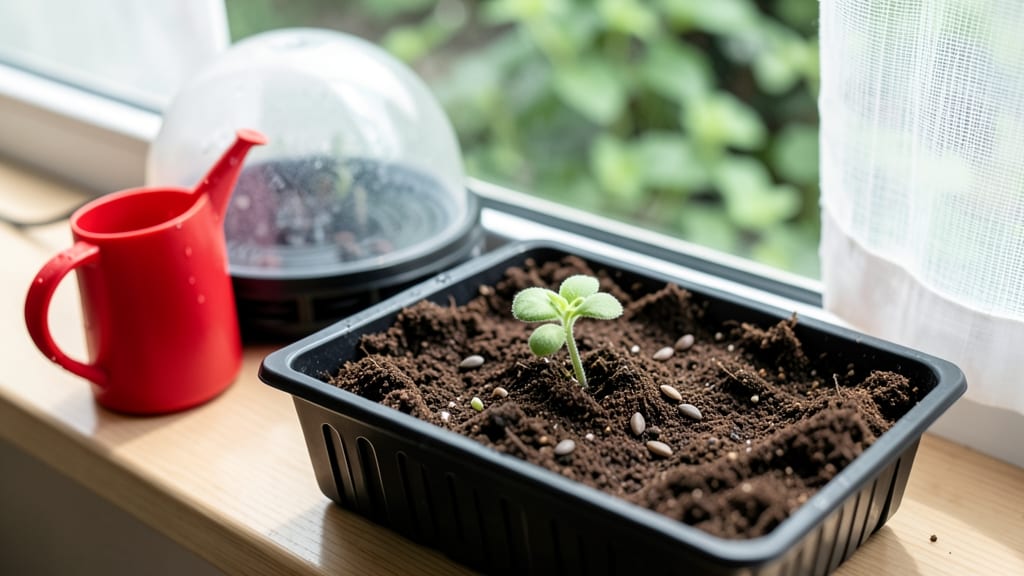
Oregano seed germination feels like unlocking a secret to endless kitchen herbs. 🌱 The key? Understanding those tiny seeds need warmth, patience, and just the right moisture—none of the guesswork I made my first time. Most gardeners skip seeds entirely and take cuttings instead, but there’s real satisfaction in growing from scratch when you know the tricks. You’ll need a shallow tray, seed-starting mix, and a heat mat or sunny window—no fancy equipment. The real magic happens at 75-85°F, where seeds typically sprout in 10-21 days. Too cold? They’ll sulk. Too wet? They’ll rot. Oregano’s slow start is the hardest part, but once those first green leaves appear, it’s smooth sailing. By week 3, you’ll have sturdy seedlings ready for transplanting, their tiny leaves already smelling like summer. The payoff? Fresh oregano that tastes better than anything from a jar, and the ability to save seeds from your best plants year after year. Here’s the twist: oregano’s slow germination is why most gardeners use cuttings instead. But with these no-fuss pods, you’ll get there—no twists, no stress, just reliable results.
📚 In This Guide
- What you need
- Instructions
- Tips and common mistakes
- Wrapping up and next steps
What you need
- ● Oregano seeds: 10–20 fresh, high-quality seeds (ensure they’re from a reliable source for best results).
- ● Seed-starting mix: 1–2 small pots (4–6 inches wide) filled with sterile, well-draining potting soil (avoid garden soil—it’s too dense!).
- ● Spray bottle: 8–12 oz with a fine mist nozzle (for gentle watering).
- ● Clear plastic dome or ziplock bag: Small enough to cover pots (creates a mini greenhouse!).
- ● Grow lights or sunny windowsill: Access to 6–8 hours of indirect light daily (south-facing windows work if natural light is limited).
- ● Small tray or saucer: To catch excess water and prevent soggy soil.
- ○ Heating mat: Optional for faster germination (70–75°F is ideal).
- ● Humidity tray: A shallow tray with pebbles + water to boost moisture levels.
- ● Fertilizer (diluted): A balanced, water-soluble fertilizer (like 5-5-5) for seedlings after 2–3 weeks.
- ● Plant labels: To track varieties (especially if testing multiple oregano types!).
Step-by-step instructions for germinating oregano seeds
Here's how I've learned to coax oregano seeds to sprout reliably—no fancy equipment needed.
🌱 Step 1: Prepare Seeds for Faster Germination
Oregano seeds have a hard outer coating that slows sprouting. To speed things up, I soak the seeds in a bowl of lukewarm water for 12 hours. This softens the shell so roots can emerge faster. After soaking, drain the water and spread the seeds on a paper towel to dry slightly—just enough so they don't stick together.
Here's the thing—don't skip this step. Dry seeds can take 3-4 weeks to germinate, while soaked seeds often pop in 7-10 days. I like to label my paper towel with the date so I don't forget when I started.
☀️ Step 2: Set Up a Warm, Humid Growing Environment
Fill a small container with the seed-starting mix and moisten it until damp but not soggy. Oregano seeds need warmth to germinate, so I place the container on a seedling heat mat set to 75-80°F. If you don't have a heat mat, a sunny windowsill with a clear plastic bag draped over the container works too.
Press the soaked seeds 1/8 inch deep into the soil, spacing them 1 inch apart. I use a toothpick to make tiny holes—it's precise and avoids burying seeds too deep. After planting, mist the surface lightly with water until the soil looks evenly moist.
💧 Step 3: Maintain Consistent Moisture and Light
Cover the container with a clear plastic lid or plastic wrap to trap humidity. Check daily and remove the cover for 5 minutes to prevent mold. Oregano seeds need bright, indirect light during germination—direct sun can overheat the soil.
You'll know germination is working when tiny green sprouts appear. This usually happens within 7-14 days. Once 50% of seeds have sprouted, remove the cover completely and move the container to a south-facing window or under a grow light for 12-14 hours daily.
🌿 Step 4: Thin Seedlings and Care for Young Plants
When seedlings reach 2 inches tall, thin them so only the strongest plant remains in each spot. Use small scissors to snip unwanted seedlings at the base—this prevents disturbing the roots of the ones you keep.
Water the soil when the top 1/2 inch feels dry to the touch. Oregano is drought-tolerant once established, but seedlings need consistent moisture. I use a spray bottle to avoid washing away the soil around delicate stems.
⏰ Step 5: Harden Off Before Transplanting
Two weeks before your last frost date, start hardening off the seedlings. Place them outside in a sheltered spot for 1-2 hours the first day, gradually increasing time over 10 days. This helps them adjust to outdoor conditions.
Transplant seedlings to their final location after all danger of frost has passed. Oregano thrives in full sun and well-draining soil. Space plants 12-18 inches apart to allow for bushy growth. Real talk: Patience is key here—oregano grows slowly at first but rewards you with hardy, fragrant plants.
Tips & tricks for germinating oregano seeds
These simple strategies will help you turn stubborn oregano seeds into thriving plants with minimal fuss.
Soaking Secret: The 12-hour soak in lukewarm water is your secret weapon for breaking through that tough seed coat. I like to use a small bowl with a lid to keep the water temperature consistent—never boiling or ice cold. After draining, I spread the seeds on a paper towel and let them air dry for about 10 minutes before planting. This prevents clumping and ensures each seed gets proper contact with the soil.
Temperature Matters: That 75-80°F range isn't just a suggestion—it's critical for germination. If your home runs cooler, place the container on top of your refrigerator (not inside) for a gentle heat boost. For warmer climates, a shaded windowsill works perfectly. I've seen seeds fail to sprout when kept below 70°F, so don't skip this step if you live in a cooler environment.
Lighting Strategy: During the 7-14 day germination window, bright indirect light is key. I place my container on a bookshelf near a south-facing window where it gets morning sun but afternoon shade. If you notice the soil surface drying too quickly, that's a sign the light is too intense—move it back a few inches. Once sprouts appear, you can increase to 12-14 hours of light daily, but keep it indirect until they're established.
Thinning Technique: When thinning those 2-inch seedlings, I use a pair of clean scissors to snip at soil level rather than pulling. This prevents disturbing the roots of your kept plants and reduces transplant shock. I always keep one extra seedling per spot just in case—oregano's slow growth means you want to maximize your chances of success.
Pro Tips for Oregano Seed Germination
- These simple strategies will help you turn stubborn oregano seeds into thriving plants with minimal fuss.
- Soaking Secret: The 12-hour soak in lukewarm water is your secret weapon for breaking through that tough seed coat.
- Temperature Matters: That 75-80°F range isn't just a suggestion—it's critical for germination.
Frequently asked questions
How long does oregano seed germination take?
Oregano seeds typically germinate within 14 to 30 days, though some may take up to 6 weeks. Patience is key—keep the soil consistently moist and warm (around 70°F) to encourage faster sprouting. If you don’t see seedlings by day 30, consider testing seed viability or trying fresh seeds.
Can I germinate oregano seeds without soil?
Yes! Use a paper towel method for faster results. Dampen a paper towel, place seeds between two layers, and store in a sealed plastic bag in a warm spot. Check daily for sprouts (usually in 7–14 days). Once roots appear, transplant into soil or pots.
Why aren’t my oregano seeds germinating?
Common culprits include old seeds (oregano seeds lose viability quickly), cold soil (below 60°F), or dry conditions. Try scarifying seeds (lightly nicking the outer shell) or soaking them in warm water overnight to break dormancy. If using store-bought seeds, check the expiration date!
Do I need to stratify oregano seeds?
Oregano seeds don’t require stratification—unlike some herbs, they germinate best in warm, consistent conditions. Focus on keeping the soil moist and warm. If you’re in a cooler climate, consider starting seeds indoors under grow lights before transplanting outdoors after the last frost.
Can I save seeds from store-bought oregano?
Store-bought oregano seeds may not germinate reliably due to hybridization or age. For best results, save seeds from homegrown oregano plants (let flowers dry on the plant, then collect seeds). Label them clearly and store in a cool, dry place for up to 2 years.
Wrapping up and next steps
Mastering oregano seed germination with no-twist pods is simpler than you think—and now you’ve got the tools to succeed! 🌱 With the right materials, patience, and a few pro tips, you can save seeds effortlessly and grow your own fragrant herbs year after year.
Whether you’re a seasoned gardener or just starting out, this method opens the door to sustainable, cost-effective propagation.
Ready to take the next step? Start by harvesting mature oregano flowers this season, then experiment with these no-twist pods to preserve seeds. Before you know it, you’ll be sharing your green thumb success with friends—or even selling your own seed packets! 🌿