
Lawn
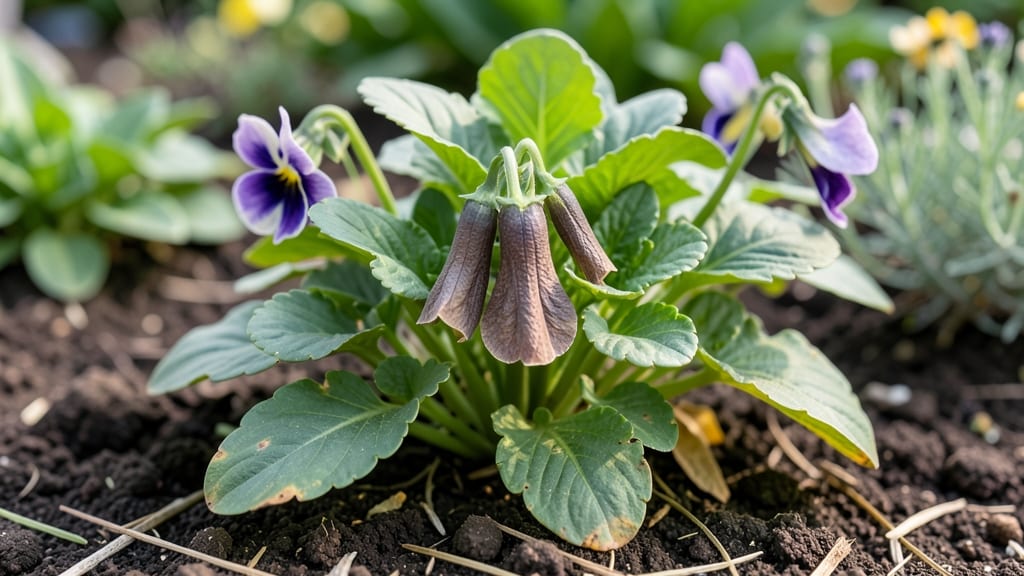
Harvesting pansy seed pods before they twist open is the secret to saving viable seeds. 🌸 I’ve learned that patience and timing make all the difference—wait too long, and the pods split open, scattering seeds everywhere.
The key is watching for the right moment when the pods turn brown and begin to dry but haven’t yet cracked. You’ll need just a few simple tools: sharp scissors or pruners, a paper bag for collection, and a dry, cool spot for storage.
Once the pods are ready, snip them carefully from the stem and place them in the bag to prevent seed loss. The goal is to extract the seeds before the pods release them naturally, which can happen in as little as 24 hours once they start drying.
Inside those pods, you’ll find tiny, wrinkled seeds that hold the potential for next year’s vibrant blooms. Store them in a sealed envelope or jar in a cool, dark place—they’ll stay viable for up to 3 years if kept dry.
When spring rolls around, you’ll be ready to sow these seeds for a fresh batch of pansies. This method works for all pansy varieties, whether you’re growing them in garden beds, containers, or even window boxes.
The satisfaction of watching those first seedlings emerge is worth every step—plus, you’ll save money and get exactly the colors you love.
📚 In This Guide
- What you need
- Instructions
- Tips and common mistakes
- Wrapping up and next steps
What you need
- ● Mature pansy plants: Healthy, bloomed-out plants with fully formed seed pods (usually 4–6 weeks post-flowering). Aim for 5–10 plants for a decent seed yield.
- ● Sharp pruning shears or scissors: Bypass pruners (for clean cuts) or small garden scissors. 1 pair is sufficient.
- ● Paper bags or breathable seed envelopes: 5–10 bags (labeled with plant variety and date). Avoid plastic—it traps moisture!
- ● Rubbing alcohol (70% isopropyl) or bleach solution: 1 small bottle (for sterilizing tools between cuts). Mix 1 part bleach to 9 parts water if using.
- ● Drying tray or screen: A wire mesh tray or paper towels to lay pods out for drying (avoid direct sunlight!).
- ● Fine-mesh sieve or sifter: 1 small sieve (for separating seeds from chaff post-drying).
- ● Permanent marker: 1 (for labeling bags).
- ● Glove: A lightweight pair to protect hands from sticky seed pods or sharp edges.
- ● Hairspray or spray bottle: Lightly mist pods to deter pests during drying.
- ● Seed storage container: Air-tight jars with silica gel packets for long-term seed preservation.
- ● Notebook: To log plant varieties, harvest dates, and germination notes.
- ● Twist-tie or rubber bands: To secure bag openings if pods are especially stubborn.
Step-by-step guide for harvesting viable pansy seeds
Here’s the gentle, foolproof way to collect healthy pansy seeds without damaging the pods.
🌱 Step 1: Wait for Pods to Fully Mature
Pansy seed pods turn from green to brown and papery when ready—this usually takes 8-12 weeks after flowering. Don’t rush: immature pods release seeds too early, and they won’t store well. I check pods daily in late summer, watching for the telltale color shift from green to tan or light brown.
If you harvest too soon, seeds won’t germinate. The pods should feel dry and brittle when gently squeezed—like crumpling tissue paper. If they’re still slightly green or firm, wait another week. This is the most critical step for viable seeds.
✂️ Step 2: Twist Off Pods Without Breaking Them
Use your fingers to gently twist the pod off the stem at its base. Don’t yank—this can tear the pod and scatter seeds prematurely. I find it easiest to hold the stem with one hand and twist the pod counterclockwise with the other. The pod should separate cleanly with a soft pop.
If a pod resists, it’s not ready. Place it back on the plant and check again in 3-5 days. Overly dry pods might crumble in your hand—store those immediately in a paper bag. Never cut pods with scissors; the sharp edge can damage the delicate seed casing.
🪴 Step 3: Dry and Store Seeds Properly
Spread the harvested pods on a clean, dry paper towel in a single layer. Place them in a warm, dry spot (like a sunny windowsill) for 5-7 days. Stir them gently once daily to prevent mold. You’ll know they’re fully dry when the pods open slightly on their own and seeds rattle inside.
Once dry, crack open the pods over a white bowl to catch the tiny, wrinkled black seeds. Discard any pods that feel mushy or smell musty—those seeds won’t germinate. Store viable seeds in a paper envelope (not plastic) in a cool, dark place for up to 2 years. Label with the pansy variety and harvest date.
💧 Step 4: Test Germination Before Planting
To ensure your seeds are still viable, plant 3-5 seeds in a small pot with moist seed-starting mix. Cover lightly with ¼ inch of soil and mist gently. Place the pot in a warm spot (65-75°F) with bright, indirect light. Most pansy seeds germinate in 7-14 days—if none sprout after 2 weeks, try again with fresh seeds.
Real talk: even the best-stored pansy seeds lose viability over time. If germination is slow, soak seeds in lukewarm water for 12 hours before planting to soften the outer coating. Keep the soil consistently moist but not soggy—overwatering causes damping-off, a fungal disease that kills seedlings overnight.
Tips & tricks for perfect pansy seed pod harvesting
Took me a while to figure these out, so here goes—these little details make all the difference when harvesting pansy seeds.
Pod Maturity Check: The 8-12 week timeline is your friend, but don't rely solely on weeks—focus on the color shift to tan or light brown. I've learned to check pods daily in late summer because weather can speed up or slow down maturation. If you're unsure, do the squeeze test: pods should crumple like tissue paper, not spring back. This simple check saves you from collecting immature seeds that won't germinate.
The Twist Technique: Here's what nobody tells you—use your thumbs and index fingers to pinch the pod about 1/4 inch from the base, then twist counterclockwise while pulling gently upward. The key is to keep your fingers close together to avoid tearing the delicate pod. If you hear a soft pop, you've done it right! Overly dry pods might crumble in your hands, so store those immediately in a paper bag to prevent seed loss.
Drying Strategy: That 5-7 day drying period on a sunny windowsill is crucial, but don't skip the daily stirring. I've seen mold develop overnight when pods are left undisturbed. Place them in a single layer on a clean paper towel—this ensures even airflow. When pods start opening slightly on their own and seeds rattle inside, they're ready. This visual cue tells you exactly when to move to the next step.
Pro Tips for Pansy Seed Pods
- Took me a while to figure these out, so here goes—these little details make all the difference when harvesting pansy ...
- Pod Maturity Check: The 8-12 week timeline is your friend, but don't rely solely on weeks—focus on the color shift to...
- The Twist Technique: Here's what nobody tells you—use your thumbs and index fingers to pinch the pod about 1/4 inch f...
Frequently asked questions
Got questions about harvesting pansy seed pods?
You’re not alone! Here are the most common queries—and their answers—to help you master the twist-resistant technique for viable seeds.
When are pansy seed pods ready for harvesting?
Pansy seed pods typically ripen 6–8 weeks after flowering. Look for pods that turn from green to brown or tan and feel slightly papery when touched. If they’re still firm, wait a few more days—they’re not ready yet! Pro tip: Harvest on a dry morning to avoid moisture issues.
Why do pansy seed pods twist off so easily?
Pansy pods twist off naturally due to their dehiscence mechanism—a survival trick to disperse seeds. To preserve viability, harvest them before they fully release. Use a gentle twist or snip with clean scissors to avoid damaging the pod. Troubleshooting: If pods keep twisting mid-harvest, try securing them with a twist tie until ready.
Can I save seeds from pansy flowers that didn’t produce pods?
No—only flowers that develop pods will yield viable seeds. If a pansy blooms but skips pod formation, it may be due to poor pollination, stress, or hybrid sterility. For guaranteed seeds, choose heirloom or open-pollinated pansies (like ‘Cool Wave’ or ‘Majestic Giant’) and ensure they’re planted in full sun with consistent watering.
How long do harvested pansy seed pods stay viable?
Freshly harvested pods remain viable for 1–2 weeks at room temperature if stored in a paper envelope (not plastic!) in a cool, dry place. For long-term storage (up to 2 years), dry the pods completely, then store them in an airtight container in the fridge. Tip: Label pods with the variety and harvest date!
What if my pansy seed pods are moldy or shriveled?
Mold or shriveled pods mean excess moisture or poor air circulation. To salvage seeds:
- Open the pods in a well-ventilated area (like a sunny windowsill).
- Spread seeds on a paper towel to dry for 24–48 hours.
- Discard any discolored or mushy seeds.
Wrapping up and next steps
Harvesting pansy seed pods successfully is all about patience, timing, and a gentle touch! By waiting for the pods to brown and twist open naturally, you’ll ensure the highest chance of viable seeds for your next garden.
Don’t let frustration stop you—with the right tools and techniques, even twist-resistant pods can yield beautiful blooms.
Ready to level up your gardening game? 🌱 Start by experimenting with a few pods this season, and soon you’ll be sharing your own homegrown pansy seeds with fellow gardeners. Happy harvesting!