Lawn
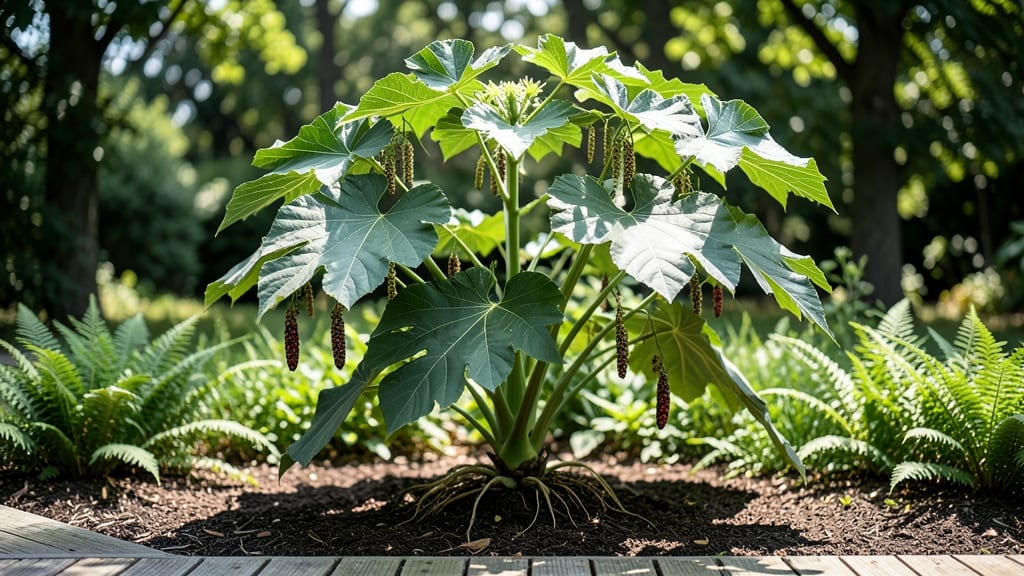
Castor bean seeds sprout in 72 hours—if you know the secret. 🌱 I’ve watched these seeds go from hard little marbles to crackling green shoots in just three days, and the trick isn’t complicated: it’s all about moisture, warmth, and a little patience.
Most gardeners overlook the pre-soak step, which is where the magic happens. You’ll need well-draining soil (sandy loam works best), a warm spot (70-80°F), and a shallow planting depth—just ½ inch below soil level. Castor beans hate soggy conditions, so keep the soil consistently moist but never waterlogged.
The key is creating a microclimate that mimics their tropical origins, even if you’re planting in cooler zones. By week three, you’ll have 3-foot-tall seedlings with broad, glossy leaves—fast enough to outpace most annuals.
The plants thrive in full sun, tolerate drought once established, and their striking foliage makes them a standout in any garden bed or container. Just remember: gloves are a must when handling seeds and plants.
Works in zones 8-11 year-round, but in cooler climates, start seeds indoors 8-10 weeks before last frost. The rapid growth makes them perfect for quick summer impact, but be mindful of their toxicity—keep them out of reach of pets and children.
📚 In This Guide
- What you need
- Instructions
- Tips and common mistakes
- Wrapping up and next steps
What you need
- ● Castor bean seeds (Ricinus communis) – 5–10 seeds (organic, non-GMO preferred for best results).
- ● Seed-starting mix – 1 small bag (5–10 lbs) (lightweight, well-draining potting soil or coco coir blend).
- ● Containers – 2–3 small pots (4–6 inches deep) with drainage holes or biodegradable seed pods.
- ● Watering can or spray bottle – For gentle hydration (avoid oversaturating seeds!).
- ● Grow lights or sunny windowsill – 6+ hours of light daily (castor beans thrive in warmth!).
- ● Humidity dome or plastic wrap – To retain moisture during germination.
- ● Fertilizer – Balanced liquid fertilizer (5-5-5 NPK) for faster growth (dilute to half-strength).
- ● Thermometer – Ideal germination temp: 70–80°F (21–27°C).
- ● Pruning shears – For shaping mature plants (if growing for ornamental use).
Step-by-step guide to germinating castor bean seeds
Here’s how to jumpstart your castor bean seeds for rapid, vigorous growth—no waiting weeks for stubborn sprouts.
🌱 Step 1: Soak Seeds for 24 Hours to Break Dormancy
Castor bean seeds have a tough outer shell that slows germination. Place 4 seeds in a small bowl and cover them completely with lukewarm water for 24 hours. This softens the seed coat and kickstarts the sprouting process. I like to use a shallow dish so the seeds don’t sink to the bottom and get buried in sediment.
After soaking, drain the water and let the seeds sit for another 1-2 hours to dry slightly. This prevents them from rotting when planted. You’ll notice the seeds look slightly plump and less hard—this is your sign they’re ready for planting. If they still feel rock-hard, soak them another 12 hours.
💧 Step 2: Plant in Warm, Moist Soil at the Right Depth
Fill a small pot (4-6 inches deep) with well-draining potting mix—castor beans hate soggy roots. Press the mix down gently to remove air pockets, then make ½-inch deep holes spaced 2 inches apart. Drop 1 soaked seed into each hole and cover lightly with soil. The key here is not to bury them too deep—they need light to trigger germination.
Water the soil until it’s evenly moist but not soggy. You’ll know it’s right when water runs through the bottom of the pot but doesn’t pool. Place the pot in a warm spot (75-85°F)—a seedling heat mat works wonders if your home runs cooler. Keep the soil consistently moist by misting lightly every 1-2 days until sprouts appear.
☀️ Step 3: Provide Bright, Indirect Light Immediately
The moment you see tiny green sprouts (usually within 3-7 days), move the pot to bright, indirect light. Castor beans need 12+ hours of light daily but can’t handle harsh midday sun yet—this avoids scorching delicate seedlings. A south-facing window with sheer curtains works well, or use a grow light 4-6 inches above the plants.
Watch for leggy growth—thin, stretched stems reaching for light. This happens when seedlings don’t get enough brightness. If you see this, immediately move the light closer or increase sunlight exposure. Strong seedlings have thick stems and dark green leaves within 10-14 days. Once the first true leaves appear, you can gradually introduce direct morning sun for 1-2 hours daily.
⏰ Step 4: Transplant Outdoors After True Leaves Form
When seedlings have 3-4 true leaves (not just the initial seed leaves), they’re ready for their forever home. Choose a sunny spot with well-draining soil—castor beans thrive in full sun (6+ hours daily) but can tolerate light shade in hot climates. Dig holes twice as wide as the root ball and same depth as the pot.
Water the soil deeply the day before transplanting to reduce shock. Gently remove the seedling from its pot, loosen the roots if they’re circling, and place it in the hole. Fill in with soil, firm lightly, and water again to settle everything. Mulch around the base with 1 inch of organic mulch to retain moisture and keep roots cool.
🌿 Step 5: Monitor for Fast Growth and Pest Watch
Castor beans grow quickly—expect 2-3 inches of growth per week once established. Water deeply 1-2 times per week, letting the soil dry slightly between waterings. Overwatering leads to root rot, while underwatering causes yellowing leaves. You’ll know moisture is right when the top inch of soil feels dry to the touch.
Watch for bean beetles or aphids, which love young castor bean plants. If you spot pests, spray with neem oil or insecticidal soap—castor beans are toxic to humans and pets, so avoid chemical sprays. In 6-8 weeks, you’ll have mature plants ready for harvesting seeds or enjoying the striking foliage.
Tips & tricks for fast castor bean germination
Here's what I learned after struggling with stubborn castor bean seeds—these tricks cut germination time in half while keeping plants healthy.
Soaking Secret: The 24-hour soak is non-negotiable for breaking dormancy, but I've found adding 1 teaspoon of hydrogen peroxide (3%) to the lukewarm water prevents mold growth while softening the seed coats. This works because the peroxide acts as a natural disinfectant without harming the seeds. After soaking, I like to place the seeds between damp paper towels in a sealed container for the final 1-2 hours of drying—this keeps them hydrated while preventing over-moisture.
Temperature Matters: Maintaining that 75-85°F range during germination is crucial, but I've discovered a simple trick to help: Place the pot on top of a small appliance like a refrigerator or microwave (when off) to create a consistent warm spot. If your home runs cooler, a seedling heat mat set to 80°F works wonders. The key is keeping the soil warm but not hot—castor beans won't germinate if the soil temperature drops below 70°F.
Lighting Strategy: When you see those first sprouts (usually within 3-7 days), don't rush to move them to bright light—wait until you see 1/4-inch green sprouts before transferring. I've found that using a grow light on a timer for 14 hours/day gives better results than natural light alone, especially in cloudy conditions. The light should be 4-6 inches above the seedlings and positioned so they don't touch the bulb.
Transplanting Tip: When it's time to transplant after forming 3-4 true leaves, I recommend hardening off seedlings for 3-5 days before moving them outdoors. Place them in a sheltered spot (like under a porch) during the day and bring them back inside at night. This gradual transition prevents shock and helps them adapt to outdoor conditions. Also, make sure your outdoor soil is at least 60°F before transplanting—castor beans won't thrive in cold soil.
Pro Tips for Seed Castor Bean
- Here's what I learned after struggling with stubborn castor bean seeds—these tricks cut germination time in half whil...
- Soaking Secret: The 24-hour soak is non-negotiable for breaking dormancy, but I've found adding 1 teaspoon of hydroge...
- Temperature Matters: Maintaining that 75-85°F range during germination is crucial, but I've discovered a simple trick...
Frequently asked questions
Got questions about growing castor bean seeds?
You’re not alone! Here are the most common queries—and practical answers—to help you succeed with your Ricinus communis plants.
How long does it take for castor bean seeds to germinate?
Castor bean seeds typically sprout in 7–14 days under ideal conditions (warm soil, 70–85°F, and consistent moisture). Pro tip: Soak seeds overnight in warm water to speed up germination! Patience is key—some may take up to 3 weeks.
Are castor bean seeds toxic? Should I handle them with gloves?
Yes, they’re highly toxic
—especially the seeds and husks. Wear gloves when handling them, and keep them away from pets/kids. The plant itself is safe once fully grown, but never ingest any part of the seed. Dispose of unused seeds carefully!
Can I grow castor beans in containers or just in the ground?
Castor beans thrive in large containers (10+ gallons) with drainage. Use a well-draining potting mix and place them in full sun. Just ensure the pot is deep enough (18+ inches) since their roots grow fast. Bonus: Containers make them easier to move indoors if frost threatens!
What’s the best way to troubleshoot slow or no germination?
If seeds aren’t sprouting, check these fixes:
- Temperature: Keep soil above 70°F (use a heat mat if needed).
- Moisture: Keep soil damp (not soggy) but avoid letting it dry out.
- Depth: Plant seeds only ½ inch deep—deeper planting can delay sprouting.
- Viability: Test a few seeds in a damp paper towel for 3–5 days to confirm they’re still alive.
If all else fails, try fresh seeds—some lose viability after 1–2 years.
What’s a good alternative if castor beans are too tricky to grow?
If castor beans seem too finicky, try these fast-growing, ornamental alternatives:
- Mexican Sunflower (Tithonia rotundifolia) – Bright blooms, drought-tolerant.
- Cup-and-Saucer Vine (Cobaea scandens) – Easy climber with unique flowers.
- Castor Oil Plant (Ricinus communis ‘Zanzibarensis’) – A non-toxic cultivar with striking foliage.
All three offer drama without the toxicity concerns!
Wrapping up and next steps
Growing castor bean seeds may seem tricky, but with the right patience, preparation, and care, you’ll unlock their stunning potential—whether for ornamental beauty or eco-friendly pest control. 🌱 Remember, consistency is key: keep soil moist, monitor temperature, and stay vigilant against pests.
Your green thumb is all you need to transform tiny seeds into towering, dramatic plants!
Ready to dive in? Start small—plant a few seeds in pots first to perfect your technique before expanding. Happy gardening, and may your castor beans thrive! 🌟