
Lawn
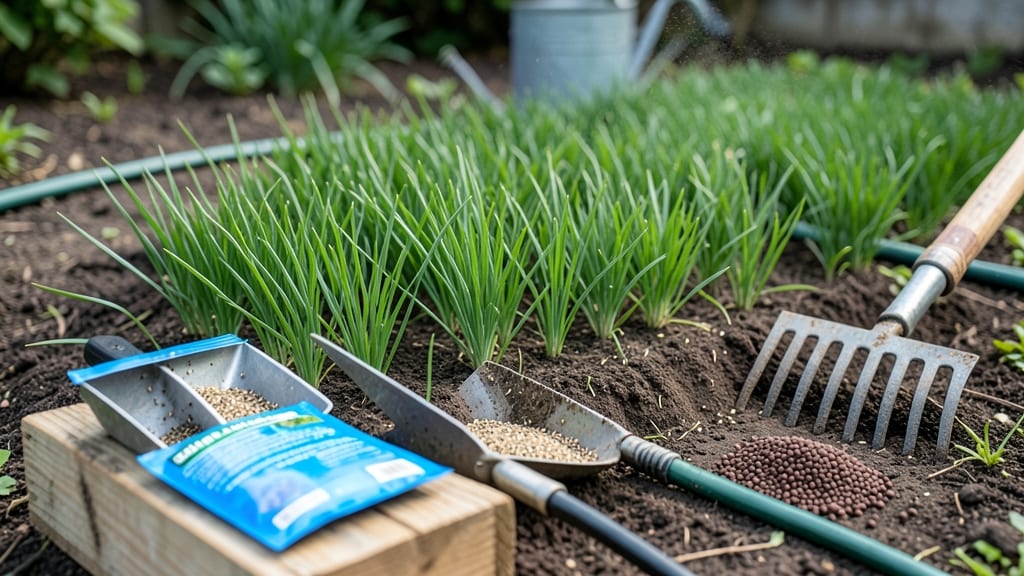
Fall is the perfect time to seed a new lawn—when cool-season grasses thrive and weeds retreat. 🌱 I’ve seeded three lawns in autumn, and every time, the grass establishes deeper roots before winter, giving me a head start on spring greenery.
The secret lies in timing: aim for 4-6 weeks before your first frost, when soil stays warm enough for germination but air cools to reduce stress on tender seedlings.
Cool-season grasses like fescue and ryegrass love fall’s mild temperatures and steady moisture. Unlike spring seeding, you’ll face fewer weeds competing for space, and the soil stays workable longer. I’ve seen firsthand how a properly seeded fall lawn outlasts spring starts—thicker, greener, and more drought-resistant by summer.
The key? Prep your soil right, choose the right seed mix for your climate, and keep it consistently moist until germination.
By late October, you’ll watch those first blades push through the soil, and by spring, your lawn will be the envy of the neighborhood. The upfront work pays off in less mowing, fewer bare spots, and a lawn that handles heat better than store-bought sod.
Whether you’re starting from scratch or overseeding an old lawn, fall is your golden window.
For northern climates, seed as early as mid-September—southern zones can wait until October or November. Just remember: the cooler the air, the slower the weeds grow. With the right prep and care, your lawn will be lush and ready to play on by next summer.
📚 In This Guide
- What you need
- Instructions
- Tips and common mistakes
- Wrapping up and next steps
What you need
- ● Seed: Choose cool-season grass seed (e.g., Kentucky Bluegrass, Fescue, or Ryegrass) tailored to your climate. Quantity: ~8–12 lbs per 500 sq ft (follow package instructions).
- ● Topsoil or Lawn Soil: 1–2 inches of high-quality, weed-free soil (e.g., compost blend). Coverage: Enough to spread evenly over your lawn area.
- ● Rake: A bow rake (for leveling) and a garden rake (for seed distribution).
- ● Lawn Roller: 100–150 lb weight to firm soil and ensure good seed-to-soil contact.
- ● Water Source: Garden hose with a sprinkler head or a soaker hose (for gentle, even watering).
- ● Fertilizer: Starter fertilizer (high in phosphorus, e.g., 5-10-10 ratio) to boost root growth. Application: Follow label rates (typically 1 lb per 100 sq ft).
- ● Soil Test Kit: To check pH and nutrient levels before seeding (ideal pH: 6.0–7.0 for most cool-season grasses).
- ● Erosion Control Blanket: For sloped areas to prevent seed washout during watering.
- ● Lawn Weed Killer: Pre-emergent herbicide (apply before seeding to prevent weeds).
- ● Mulch or Straw: Light layer (¼ inch) to retain moisture and protect seed from birds.
- ● Gloves & Knee Pads: For comfort during prep work!
Step-by-Step instructions for seeding a new lawn in fall
Fall is the perfect time to establish a resilient lawn—here's how I do it for thick, healthy grass every season.
🪴 Step 1: Prepare the Soil for Optimal Seed Contact
Start by removing all existing vegetation, rocks, and debris from the area. I rent a sod cutter for large areas or use a shovel for smaller spaces—getting down to bare soil is critical. Once cleared, till the top 4-6 inches of soil to loosen compacted layers. You'll know you've done enough when the soil crumbles easily between your fingers.
Next, rake the surface smooth with a leveling rake, creating a fine, firm seedbed. The goal is a texture similar to coarse sand—rough enough to hold seeds but fine enough to allow good seed-to-soil contact. For rocky or clay-heavy soil, mix in 2-3 inches of compost to improve drainage and fertility. This step ensures your seeds won't sit on top where birds can snatch them or dry out.
🌱 Step 2: Spread Fertilizer and Seed Evenly
Apply a starter fertilizer with a high phosphorus content (look for a 3-1-2 or similar ratio) to encourage strong root development. Use a broadcast spreader set to the recommended rate for your grass type—usually about ½ pound per 100 square feet. Lightly rake the fertilizer into the top ¼ inch of soil to prevent burning the seeds when you water.
Next, spread the grass seed using the same broadcast spreader. Walk in a crisscross pattern (first lengthwise, then widthwise) to ensure even coverage. For cool-season grasses, aim for about 8-12 pounds per 1,000 square feet. After spreading, gently rake the area again with a drag rake to press seeds into the soil—just enough so they make contact but don't get buried deeper than ¼ inch. This light covering protects seeds from drying out while allowing sunlight to reach them.
💧 Step 3: Water Immediately and Maintain Moisture
The first watering is crucial—apply enough to wet the soil 2-3 inches deep. You'll know you've reached this depth when water appears at the bottom of a shallow hole you've dug nearby. Water gently to avoid displacing seeds, and do this twice daily (morning and evening) for the first 2 weeks. The soil should stay consistently moist but never soggy—think of a wrung-out sponge.
After 2 weeks, when you see 50% germination (tiny green sprouts appearing), reduce watering to once daily but keep the depth at 2-3 inches. Continue this schedule until the grass reaches 2-3 inches tall, which typically takes about 6-8 weeks. The key is consistency—skipping watering even once can cause seeds to dry out and fail to germinate.
✂️ Step 4: Protect and Maintain the New Lawn
Once the grass reaches 3-4 inches tall, it's time for your first mowing. Set your mower blade to 3 inches to avoid scalping the tender new blades. Never remove more than ⅓ of the blade height at once—this prevents stress and encourages deeper root growth. I mow when the grass is dry to avoid spreading disease, but never let it grow more than ½ inch taller than the recommended height.
Apply a light layer of straw mulch (¼ inch thick) after seeding to protect seeds from drying out and bird predation. This also helps retain moisture and regulate soil temperature. Avoid walking on the new lawn until the grass is fully established (about 8-12 weeks) to prevent soil compaction and damage to young roots. If weeds appear, hand-pull them immediately—they compete with your grass for water and nutrients.
☀️ Step 5: Transition to Regular Care
After 3 months, your lawn should be well-established with a dense root system. At this point, switch to a general lawn fertilizer with a balanced ratio (like 10-10-10) to support ongoing growth. Apply it in early fall or spring, following the package instructions for your grass type. Continue mowing regularly, always keeping the blade sharp to avoid tearing the grass.
Fall is also the time to aerate your lawn if it feels compacted. Rent a core aerator and go over the entire area to create small holes that allow air, water, and nutrients to reach the roots. Follow up with a light top-dressing of compost to improve soil structure. This final step sets your lawn up for success in the following growing season, ensuring that thick, lush grass you've worked so hard for will thrive for years to come.
Tips & tricks for perfect fall lawn establishment
Here's what nobody tells you about getting that flawless fall lawn—these are the details that make all the difference between a patchy mess and a thick, green carpet.
Soil Prep Secret: In Step 1, when you're tilling that 4-6 inches of soil, don't stop at just loosening—aim to create a seedbed that's almost powdery. I like to run my fingers through it and imagine it's like fine sand at the beach. This texture ensures seeds make perfect contact with soil, which is critical for even germination. For clay-heavy areas, mix in that 2-3 inches of compost and let it sit for a day before seeding—this gives the soil microbes time to start breaking down the clay structure.
Fertilizer Timing: The starter fertilizer in Step 2 should be applied right after tilling but before seeding. Here's the thing: if you apply it too early, rain might wash it away. If you apply it too late, you risk burning the seeds when you water. I always do a quick soil test first—if the pH is below 6.0, add pelletized lime to the fertilizer mix before spreading. Cool-season grasses thrive in slightly acidic soil (6.0-7.0), and this small adjustment makes a huge difference in root development.
Watering Watch: That 2-3 inch deep watering in Step 3 is non-negotiable, but here's what I've learned the hard way: use a rain gauge or tuna can to measure your water output. Most sprinklers only deliver about half the water they're set for! I aim for ½ inch per watering during those first two weeks. The key is gentle pressure—if you see water running off, you're displacing seeds. A soaker hose or gentle sprinkler set on low works best. And always water in the morning so any moisture on the leaves can evaporate before nightfall.
Mulch Magic: That ¼ inch straw mulch in Step 4 isn't just for looks—it's a game-changer. I like to spread it after the first watering when seeds are just starting to sprout. The mulch creates a microclimate that keeps soil temperatures stable and prevents crusting. Just don't let it pile up—keep it evenly distributed. And here's a pro move: if you're dealing with birds, sprinkle some red pepper flakes around the perimeter (they hate the smell) or cover with lightweight landscape fabric until germination is complete.
Pro Tips for Seed New Lawn In Fall
- Here's what nobody tells you about getting that flawless fall lawn—these are the details that make all the difference between a patchy mess and a thick, green carpet.
- Soil Prep Secret: In Step 1, when you're tilling that 4-6 inches of soil, don't stop at just loosening—aim to create a seedbed that's almost powdery.
- Fertilizer Timing: The starter fertilizer in Step 2 should be applied right after tilling but before seeding.
Frequently asked questions
Got questions about seeding your lawn in the fall? You’re not alone! Here are answers to the most common concerns to help you get started with confidence.
What’s the best time to seed a new lawn in fall?
For cool-season grasses (like fescue, ryegrass, and bluegrass), aim to seed 4-6 weeks before your first hard frost. This gives seeds time to germinate and establish roots before winter. In most regions, late August to early October is ideal—check your local frost dates for precision!
How long does it take for new grass seed to grow in fall?
Germination usually takes 7–21 days, depending on the grass type and weather. Cool-season grasses like Kentucky bluegrass may sprout in 10–14 days, while fine fescue can take up to 3 weeks. Keep soil moist (but not soggy) during this time for the best results.
Do I need to water my new lawn seed every day in fall?
Yes! Water lightly but frequently—about ¼ inch per day—to keep the soil consistently moist. Use a sprinkler or hose to avoid displacing seeds. Reduce watering slightly once seedlings reach 2–3 inches tall, then taper off as winter approaches.
Will my pets or wildlife eat the new grass seed?
Birds, squirrels, and pets love fresh seeds. To protect your investment, cover seeds lightly with straw or netting after sowing. Alternatively, water seeds in thoroughly to wash them into the soil, making them less appealing to critters.
Can I seed a lawn in fall if temperatures drop below 50°F?
Cool-season grasses thrive in fall’s cooler temps (ideal range: 60–75°F for germination). However, if nighttime temps dip below 40°F, growth slows. If frost is forecast, delay seeding until conditions warm up again—patience ensures a stronger lawn!
What if my lawn doesn’t look even after seeding?
Uneven germination is normal! Thin spots may fill in over time, but you can reseeds those areas in early spring if needed. Avoid over-fertilizing or heavy foot traffic until the grass is fully established (about 6–8 weeks). For stubborn bare patches, consider a topdressing of compost to boost soil health.
Wrapping up and next steps
Fall is the perfect time to seed a new lawn—cool-season grasses thrive in crisp weather, giving you a head start on a lush, resilient yard.
By following the right steps—preparing soil, choosing quality seed, and maintaining consistency—you’ll set the foundation for a vibrant lawn that lasts for years. Don’t wait—grab your tools and get started!
Ready to transform your space? Start small: pick a sunny weekend, gather your supplies, and take it one section at a time. Before you know it, you’ll be relaxing on a soft, green carpet of your own making. 🌱✨