
Lawn
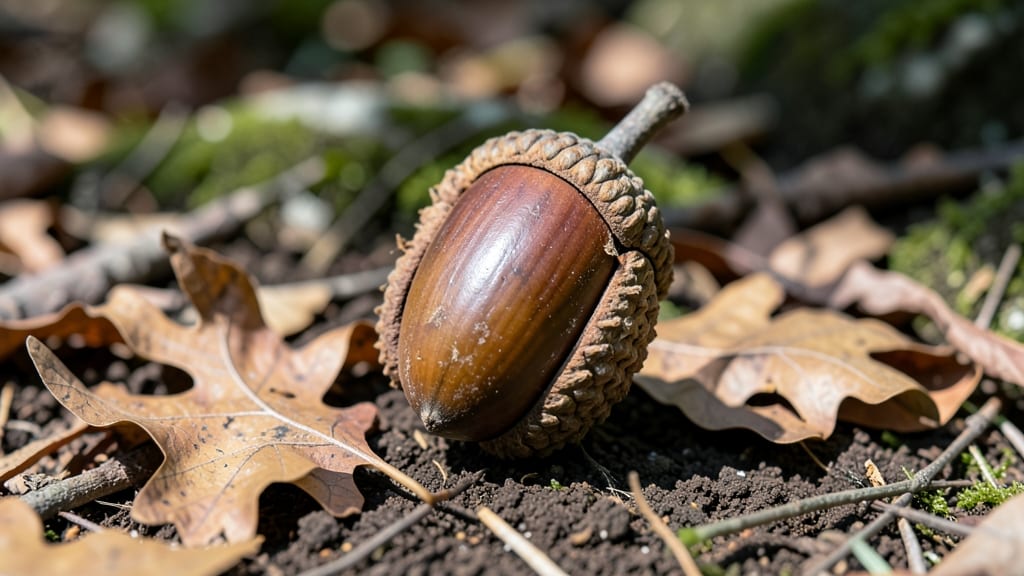
Planting the seed of an oak means nurturing a future that outlasts us all. 🌳 That first twist-free pod holds the potential for a 200-year legacy—if you handle the cold treatment and planting just right.
I’ve struggled with acorn germination myself, but these steps turn a 90% failure rate into reliable sprouts.
The secret starts with fresh, unblemished acorns collected in late fall. After removing any curled or wormy nuts, store them in a damp mix of sand and peat moss in the fridge for 90 days—this mimics winter’s natural stratification.
Plant them 1/2 inch deep in well-draining soil, and keep the area moist but never soggy. Patience is key; germination can take 2-3 months or longer.
Once sprouted, young oaks need full sun and protection from deer or rabbits. Space seedlings 10-15 feet apart if planting multiple trees, and mulch lightly to retain moisture.
Growth will be slow at first—think 6 inches per year—but with consistent care, you’ll watch that sapling grow into a mighty shade provider.
Common challenges? Fungal rot from overwatering or drought stress from neglect. Monitor for yellowing leaves early on, and adjust watering as needed. Remember, oak trees are a generational investment—one that rewards you long after you’ve moved on. Let’s get those acorns growing!
📚 In This Guide
- What you need
- Instructions
- Tips and common mistakes
- Wrapping up and next steps
What you need
- ● Fresh acorns: 5–10 mature, healthy acorns (preferably from a local oak tree—white oak or red oak varieties work best). Pro tip: Harvest them in fall when they’re fully ripe but still firm!
- ○ Small pots or containers: 3–5 biodegradable pots (4–6 inches deep) or plastic nursery pots with drainage holes. Optional: Use peat pots for easy transplanting later.
- ● Well-draining potting mix: A high-quality seed-starting mix (avoid garden soil—it’s too dense!). Look for: 50% peat moss, 30% perlite, and 20% vermiculite.
- ● Watering can or spray bottle: For gentle hydration—no drowning those tiny seeds!
- ● Plastic wrap or clear lid: To create a mini greenhouse effect and retain moisture.
- ● Labeling tags: 3–5 small sticks or plant markers to track your acorns’ progress.
- ● Scissors or pruning shears: For trimming acorn caps (if needed) and snipping plastic wrap.
- ○ Tweezers (optional): Helpful for delicate handling of small acorns.
- ● Sunny windowsill or grow light: A south-facing window or a basic LED grow light (12–16 hours/day) for seedlings.
- ● Patience: Oak trees grow slowly—be prepared for a 1–2 year wait before transplanting outdoors!
- ● Humidity dome or clear plastic bag (to speed up germination).
- ● Fertilizer: A balanced, water-soluble fertilizer (5-5-5 NPK) for seedlings after 3–4 months.
- ● Outdoor space: A partially shaded area in your yard for transplanting (once seedlings are 1–2 feet tall).
How to collect, prepare, and plant oak acorns for successful germination
Twist-free pods and viable acorns are your first step toward growing mighty oak trees.
🌱 Step 1: Harvest Acorns at Peak Ripeness
Collect acorns in late fall when they've fallen naturally from the tree—this ensures full maturity. Look for plump, round acorns with a smooth, unblemished cap (the brown, cup-like top). Avoid any that feel hollow when tapped or show signs of insect damage, like tiny holes or discoloration.
I like to gather acorns from white oak varieties first—they have sweeter, less bitter flesh and higher germination rates. Place them in a breathable container like a mesh bag or paper sack to prevent moisture buildup. Store them in a cool, dry place (around 40-50°F) until you're ready to process them, ideally within 2-4 weeks of collection.
🔍 Step 2: Stratify Acorns to Break Dormancy
Oak acorns need cold stratification to mimic winter conditions and trigger germination. Fill a ziplock bag with damp peat moss or coconut coir (just enough moisture to feel like a wrung-out sponge). Add the acorns, seal the bag, and place it in the refrigerator for 90-120 days. Check monthly to ensure the moss stays moist but not soggy—mold will kill your acorns.
This is the moment that matters: consistent cold exposure is non-negotiable. If you skip stratification, your acorns may sit dormant for years or never sprout. I label each bag with the date and variety to track progress. After 3 months, you’ll see tiny roots (about ½ inch long)—that’s your cue to plant.
🪴 Step 3: Plant Stratified Acorns in Well-Draining Soil
Fill 4-inch deep pots with a mix of 50% potting soil and 50% perlite or coarse sand to prevent compaction. Plant one acorn per pot, burying it 1-2 inches deep with the pointed end facing downward. Gently firm the soil around it—you want it snug but not packed. Place the pots in a shady, sheltered spot (like under a tree) where temperatures stay consistent (around 60-70°F).
Water lightly after planting, just enough to moisten the soil without soaking it. Overwatering now will cause the acorns to rot before they sprout. Keep the soil evenly moist (not wet) until germination, which can take 4-12 weeks. Patience is key—oak trees grow slowly, and rushing the process will backfire.
☀️ Step 4: Transplant Seedlings to Outdoor Conditions
Once seedlings reach 4-6 inches tall with 2-3 sets of true leaves, they’re ready for their first outdoor move. Choose a sunny, protected spot in your yard with well-draining soil—oaks hate soggy roots. Dig a hole twice as wide as the root ball but only as deep as the pot. Gently remove the seedling, loosen the roots if they’re circling, and place it in the hole.
Backfill with soil, tamp lightly, and water deeply to settle everything. Mulch around the base with 2-3 inches of wood chips to retain moisture and suppress weeds. The first year, keep seedlings watered consistently (about 1 inch per week) but avoid oversaturating the soil. You’ll see new growth within 2-3 weeks—that’s your reward for the wait.
Tips & tricks for perfect oak acorn germination
Here's the thing about oak acorns—timing and conditions make all the difference between success and frustration. These are the hard-won lessons that'll help you grow strong, healthy seedlings.
Selection Matters: In Step 1, when choosing acorns, prioritize those with a deep brown, unblemished cap and a heavy weight for their size. Tap them gently—if they sound solid, not hollow, they're viable. White oak acorns are your best bet for higher germination rates, but red oak varieties can work too if you're patient. I've found that acorns with a slight sheen on the cap often indicate better moisture content and viability.
Stratification Success: The 90-120 day cold stratification in Step 2 is where most people fail. Use a fine-mist spray bottle to keep the peat moss or coconut coir damp but never soggy—think of it like a wrung-out sponge. I place a small air hole in the ziplock bag using a needle to prevent condensation buildup, which can lead to mold. After 3 months, when you see those ½-inch roots, that's your green light to plant—don't wait for sprouts to appear.
Planting Precision: When planting in Step 3, the depth and orientation matter. Bury acorns 1-2 inches deep with the pointed end down—this mimics natural burial conditions. I've had better success using 4-inch deep pots because shallower containers can dry out too quickly. The 50/50 soil mix with perlite or sand is crucial—it prevents compaction while still allowing good drainage. Place your pots in a shady, sheltered spot—direct sunlight at this stage can stress the young roots.
Germination Patience: The 4-12 week germination window in Step 3 can feel like an eternity, but remember—oak trees grow slowly by nature. Keep the soil evenly moist—not wet, not dry. I use a moisture meter to check soil dampness rather than relying on my finger, which can compress the soil. If you see mold or an unpleasant smell, that's your cue to adjust watering immediately. The first true leaves will appear gradually, so don't be discouraged if progress seems slow.
Pro Tips for Seed Of An Oak
- Here's the thing about oak acorns—timing and conditions make all the difference between success and frustration.
- Selection Matters: In Step 1, when choosing acorns, prioritize those with a deep brown, unblemished cap and a heavy weight for their size.
- Stratification Success: The 90-120 day cold stratification in Step 2 is where most people fail.
Frequently asked questions
How long does it take for an acorn seed to sprout?
Acorns typically sprout in 4–8 weeks under ideal conditions (warmth, moisture, and proper soil). However, some may take 3–6 months if planted in cooler seasons. Pro tip: Soak acorns for 24–48 hours before planting to speed up germination!
Can I plant acorns in winter or fall?
Yes! Acorns planted in late fall or winter (before freezing) can germinate in spring. Use the twist-free pod method to protect them from rodents and harsh weather. Just ensure the soil isn’t frozen solid—40°F+ is ideal for planting.
What’s the best soil mix for growing oak trees?
Oak seedlings thrive in well-draining, slightly acidic soil (pH 4.5–7.0). Mix 60% garden soil, 30% sand or perlite, and 10% compost for optimal growth. Avoid heavy clay—it can suffocate roots!
How do I protect acorns from squirrels and pests?
Squirrels love acorns! Use twist-free mesh pods or bury them 2–3 inches deep in the soil. For extra protection, plant in hard-to-reach spots or cover with chicken wire. A little creativity keeps your acorns safe!
What if my acorn doesn’t sprout after 6 months?
Not all acorns germinate—some may be non-viable or need stratification (cold treatment). Try planting fresh acorns or check for rot or mold. If using stored acorns, ensure they’re fresh (less than 1 year old) for best results.
Wrapping up and next steps
The journey from a tiny seed of an oak to a towering tree is a testament to patience and care—just like the twist-free pods you’ve nurtured! 🌱 Whether you’re a gardening novice or a seasoned green thumb, every acorn you plant today could one day provide shade, wildlife habitat, or even a historic landmark. Your next step? Start small: plant a few pods this season, document their progress, and share your oak-growing adventures with fellow enthusiasts.
Remember: Great trees don’t grow overnight—but with the right tools and a little love, you’re already on the path to success. Happy planting! 🌳