Planting
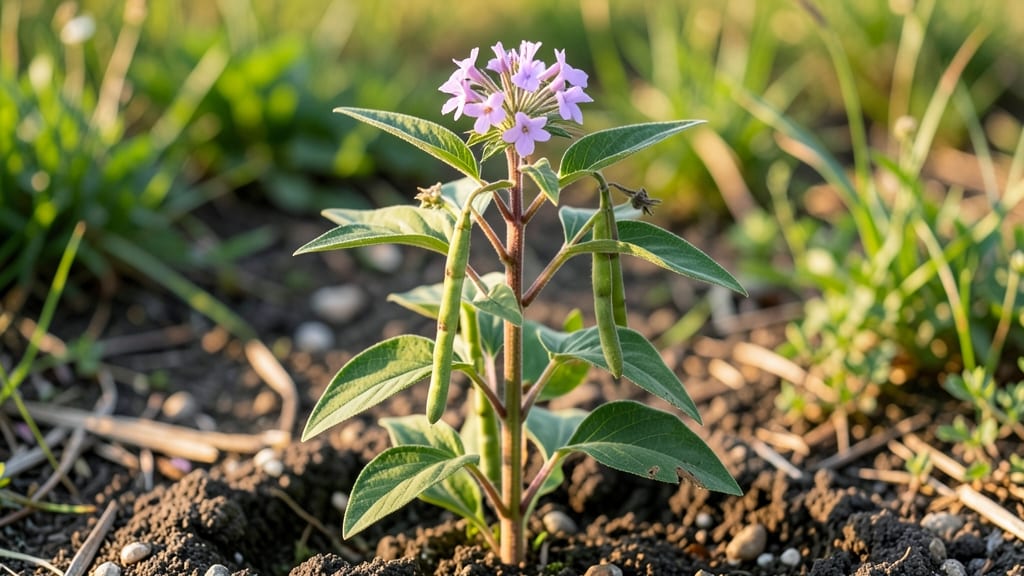
Growing sesame plants unlocks a zero-waste harvest where every pod stays intact—no more frustrating twists that leave seeds behind. 🌱 I learned the hard way that proper spacing and soil prep make all the difference between a productive crop and a messy cleanup.
The key is mimicking their native dry conditions while keeping roots happy in well-draining soil.
Start with warm soil temperatures above 70°F and full sun exposure—sesame plants bolt quickly when cool. Plant seeds ½ inch deep with 12 inches between rows, and thin seedlings to 6 inches apart.
Water lightly at the base only; overwatering causes pods to split prematurely. Most gardeners struggle with uneven germination, but soaking seeds overnight in warm water speeds things up.
By mid-summer, you'll see those signature white flowers give way to crisp pods that stay closed until fully mature. The twist-resistant varieties hold seeds perfectly when harvested at just the right time—dry pods that rattle when shaken. This means no wasted seeds and a cleaner harvest than store-bought sesame.
Works beautifully in containers or small plots, and the plants self-prune as they grow taller. Just watch for spider mites in dry heat and provide afternoon shade if temperatures exceed 95°F. Once you master this, you'll never buy sesame seeds again—they're yours to harvest straight from the plant.
📚 In This Guide
- What you need
- Instructions
- Tips and common mistakes
- Wrapping up and next steps
What you need
- ● Sesame seeds – Certified organic or non-GMO, 100+ seeds per packet (choose a variety like Bunsi or Tift-23 for twist-resistant pods).
- ● Potting soil – Well-draining, sterile mix (e.g., 60% peat moss, 30% perlite, 10% compost), 2–3 gallons per plant.
- ● Containers or garden bed – Containers: 5–7 gallon pots with drainage holes (or fabric grow bags for root aeration).
- ● Garden bed: Full sun (6+ hours/day), loamy soil with a pH of 6.0–7.5.
- ● Watering can or hose with a gentle spray nozzle (sesame plants hate soggy roots!).
- ● Fertilizer – Balanced liquid fertilizer (10-10-10) – 1 tbsp per gallon of water, applied every 4–6 weeks.
- ○ Optional: Compost tea for organic boosts (1 cup per plant, monthly).
- ● Hand trowel – For transplanting seedlings.
- ○ Gloves – Optional but recommended (sesame plants can be prickly!).
- ● Pruning shears – To trim dead leaves or shape plants.
- ○ Twist-resistant pod support (optional) – Bamboo stakes or soft plant ties to prevent pods from twisting in wind.
- ● Cage-like trellis (DIY with wire mesh) for heavy yields.
- ● Harvesting tools – Sharp scissors or pruning shears (for clean cuts).
- ● Drying rack – Wire mesh or screen to air-dry pods.
- ● Climate control (if indoors) – Grow lights (12–14 hours/day) if natural light is less than 6 hours.
- ● Small fan for air circulation (reduces fungal risks).
How to grow sesame plants with twist-resistant pods
Here's the method I rely on to grow sesame plants that produce sturdy, twist-resistant pods—perfect for zero-waste harvesting.
🌱 Step 1: Start Seeds Indoors for Strong Starts
Sesame thrives in warm soil, so begin seeds indoors 6-8 weeks before your last frost date. Use biodegradable peat pots (3-4 inches deep) filled with sterile seed-starting mix—never garden soil, which can harbor damping-off pathogens. Moisten the mix until it holds together when squeezed but doesn’t drip.
Plant 2-3 seeds per pot at a depth of ¼ inch, just below the soil surface. Press lightly to ensure good seed-to-soil contact, then cover with a clear humidity dome or plastic wrap. Place the pots in a warm spot (75-85°F)—a seedling heat mat speeds germination. You’ll see sprouts in 7-10 days, but don’t remove the dome until 50% of seeds have emerged to prevent drying.
☀️ Step 2: Harden Off and Transplant for Resilient Growth
Once seedlings develop 2-3 true leaves, begin hardening them off. Move pots to a shaded outdoor spot for 1-2 hours the first day, gradually increasing exposure over 10-14 days. Sesame plants despise transplant shock, so choose a sunny, well-drained location with full sun (6+ hours daily) and loamy soil amended with compost.
Transplant on an overcast afternoon to reduce stress. Space plants 12-18 inches apart in rows 24 inches apart—crowding weakens stems and makes pods prone to twisting. Water deeply at the base after planting to settle roots, but avoid wetting foliage to prevent fungal issues. Mulch with straw to retain moisture and suppress weeds.
💧 Step 3: Manage Water and Fertilizer for Pod Strength
Sesame plants are drought-tolerant but need consistent moisture during flowering and pod development. Water deeply every 2-3 days until the top 2 inches of soil feel dry—never let soil dry out completely, or pods will shatter prematurely. Use a drip irrigation system or water at the base early in the day to allow foliage to dry.
Fertilize lightly with a balanced organic fertilizer (10-10-10) at planting and again when plants reach 12 inches tall. Too much nitrogen encourages leafy growth at the expense of pod development. Watch for yellowing lower leaves—a sign of over-fertilization. Sesame plants thrive in poor soil, so resist the urge to overfeed.
✂️ Step 4: Support Stems and Harvest for Zero Waste
As plants reach 3-4 feet tall, their slender stems may bend under pod weight. Install light trellises or stakes (4-5 feet tall) and gently tie stems with soft twine to prevent lodging. This support ensures pods stay upright and resist twisting during harvest. Prune any yellow or diseased leaves immediately to redirect energy to pod production.
Harvest begins when pods turn brown and dry (typically 90-120 days after planting). Twist pods gently by hand—if they resist and snap cleanly, they’re ready. Spread pods on a dry, shaded surface for 2-3 days to finish drying, then thresh seeds by rubbing pods between your hands. Store seeds in an airtight container in a cool, dark place for up to 6 months.
Tips & tricks for growing sturdy sesame plants
A few subtle adjustments can transform your sesame plants from flimsy to fortress-like, ensuring those twist-resistant pods you're after. Here's what I've learned the hard way:
Seedling Warmth Secret: That 75-85°F range for seedling warmth isn't just a suggestion—it's non-negotiable. I used to wonder why my seedlings took forever to sprout, only to realize my kitchen was hovering around 70°F. Invest in a seedling heat mat if your home runs cool. The faster germination means stronger roots that translate to sturdier stems later.
Transplanting Timing: The 1-2 hours of initial hardening off might seem short, but it's crucial. Sesame plants are notoriously sensitive to transplant shock, and rushing this step often leads to leggy, weak seedlings. Start with just morning sun exposure, then gradually extend to afternoon. Think of it as sesame boot camp—gentle conditioning builds resilience.
Support System Strategy: When your plants hit 3-4 feet, don't wait until they're sagging to install support. Set up those 4-5 foot trellises or stakes as soon as you see the first flower buds forming. The extra stability prevents the stems from developing a "leaning tower" habit that makes them prone to twisting during harvest. I've seen plants go from wobbly to rock-solid just by getting that early support.
Harvesting Technique: That 2-3 day drying period after harvest is more important than you might think. I used to rush this step, thinking the pods were dry enough, only to find they shattered when I tried to thresh. Spread them on a breathable surface like a mesh screen or old window screen—this allows air circulation while preventing moisture loss that could cause cracking.
Pro Tips for Seseme Seed Plant
- A few subtle adjustments can transform your sesame plants from flimsy to fortress-like, ensuring those twist-resistant pods you're after.
- Seedling Warmth Secret: That 75-85°F range for seedling warmth isn't just a suggestion—it's non-negotiable.
- Transplanting Timing: The 1-2 hours of initial hardening off might seem short, but it's crucial.
Frequently asked questions
Got questions about growing sesame seed plants? You’re not alone!
Here are answers to the most common queries—from planting tips to troubleshooting—so you can master twist-resistant pods with confidence.
How long does it take for sesame plants to mature and produce pods?
Sesame plants typically mature in 70–100 days after sowing, depending on the variety and climate. Early-maturing types (like "Black Sesame") may ready pods in as little as 60 days, while larger varieties take longer. Watch for yellowing leaves and dry, twist-resistant pods—these are your cues to harvest!
Why are my sesame pods twisting or cracking before harvest?
Twisting or cracking pods often signal overmaturity or drought stress. Ensure consistent moisture (but avoid waterlogging) and harvest pods when they start to twist but are still firm. If pods crack prematurely, try shading plants or harvesting in cooler mornings. Pro tip: Use a sharp knife to gently twist pods—never pull!
Can I grow sesame plants indoors or in containers?
Sesame thrives outdoors in warm climates (USDA zones 7–11), but you can try container growing with these tweaks:
- Use a 5-gallon pot with well-draining soil.
- Place in full sun (6+ hours/day) near a sunny window or grow light.
- Keep soil temps above 70°F (use a heat mat if needed).
What’s the best way to store harvested sesame pods for long-term use?
For zero-waste storage:
- Let pods fully dry in a cool, dark place (1–2 weeks).
- Store in airtight containers (glass jars or Mylar bags) with silica gel packets to prevent moisture.
- Keep in a dark, cool pantry (below 70°F) for up to 1 year.
Are there sesame varieties that are easier to grow for beginners?
Start with these beginner-friendly varieties:
- Black Sesame ("Til"): Fast-growing (60–70 days), compact, and drought-tolerant.
- White Sesame ("Goma"): Reliable pods with a longer shelf life.
- Brown Sesame ("Bunsi"): Heat-resistant and great for tropical climates.
Wrapping up and next steps
Growing a sesame seed plant with twist-resistant pods isn’t just a rewarding gardening project—it’s a step toward zero-waste, sustainable living! 🌱 These resilient plants offer a bountiful harvest of nutrient-rich seeds while minimizing food waste, proving that small actions can make a big difference.
Whether you're a seasoned gardener or just starting, your efforts will yield delicious, versatile seeds perfect for cooking, baking, or even DIY skincare.
Ready to take the next step? Start small—plant a few seeds, experiment with varieties, and share your harvest with friends or local communities. Who knows? You might inspire others to join the zero-waste movement, one twist-resistant pod at a time! 🌟