Lawn
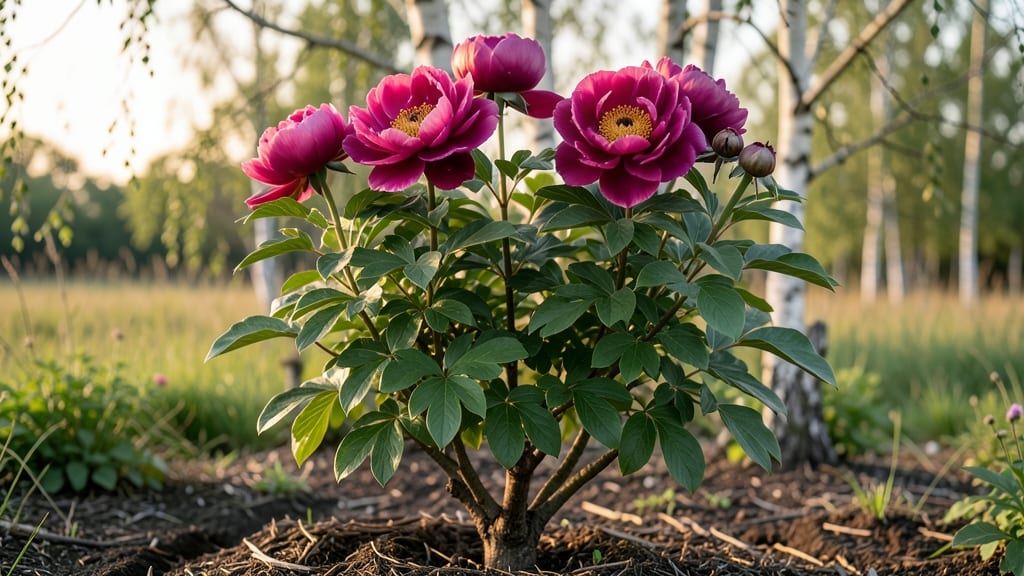
Tree peony seed pods reveal their secrets when you know the right moment to harvest them. 🌿 These woody, papery pods split open naturally in late fall, releasing seeds that can grow into stunning new plants—if you act at the perfect time.
The key is patience and timing, because harvesting too early or too late means wasted seeds or poor germination.
Identifying ripe pods is simple: look for pods that have turned brown and developed small cracks along their seams. Once they begin to pop open on their own, they’re ready for collection.
Gather them in a paper bag to catch the seeds as they fall, then store them in a cool, dry place until you’re ready to sow them in early spring—this mimics their natural dormancy cycle.
Germination takes time—often 6-12 months—but the results are worth it. Plant seeds just below the soil surface in well-draining, slightly sandy soil, and keep them consistently moist. Young seedlings are delicate, so protect them from harsh weather until they’re established enough to thrive on their own.
This method isn’t just zero-waste—it’s a way to propagate rare or heirloom varieties that you might not find elsewhere. With the right care, your tree peonies will reward you with lush foliage and dramatic blooms in just a few years. The patience pays off in spades.
📚 In This Guide
- What you need
- Instructions
- Tips and common mistakes
- Wrapping up and next steps
What you need
- ● Mature tree peony seed pods: 5–10 fully ripened pods (brown, dry, and slightly papery—avoid green or soft ones!)
- ● Sharp pruning shears or small garden scissors: 1 pair (sterilized with rubbing alcohol for hygiene)
- ● Paper towels or newspaper: 2–3 sheets (for drying and collecting seeds)
- ● Brown paper bags or envelopes: 2–3 (for seed storage—label them!)
- ● Rubbing alcohol (70% isopropyl) or bleach solution: Small bottle (for sterilizing tools)
- ● Small paintbrush or cotton swabs: 1 (for gently brushing out seeds)
- ○ Glove (optional but recommended): 1 pair (latex or nitrile to protect from sap and debris)
- ● Magnifying glass: 1 (to inspect seeds for viability)
- ● Seed-starting mix: Small bag (if you plan to germinate seeds immediately)
- ● Spray bottle with water: 1 (to mist pods if they’re stubbornly dry)
- ● Camera or phone: 1 (to document your zero-waste harvest!)
How to harvest tree peony seeds naturally without waste
Here's the gentle, zero-waste method I use every fall to collect tree peony seeds without damaging the plant.
🌱 Step 1: Wait for Complete Pod Maturation
Tree peony seed pods need full maturity before they'll pop open naturally. Look for pods that turn from green to dry, papery brown—this usually happens in late September to October, depending on your climate. You'll notice the pods develop a slight crack along one seam when they're ready.
Don't rush this step. Harvesting too early means seeds won't be viable, and forcing pods open destroys their natural release mechanism. The pods should feel lightweight when you hold them—if they're still heavy, they need more time on the plant.
💧 Step 2: Prepare a Harvesting Surface
Spread a clean white sheet or large piece of cardboard under the peony bush. The pods will pop open dramatically when ready, and this creates a contained harvest zone. I like to use a light-colored surface because the seeds and pod debris show up clearly against the background.
Place the sheet directly under the seed heads but avoid touching the pods themselves. Any vibration or pressure can cause premature opening. If you're working with multiple bushes, dedicate one sheet per plant to keep seeds organized by variety.
☀️ Step 3: Create Gentle Heat and Air Movement
Tree peony pods respond to warmth and airflow—this mimics natural conditions that trigger their opening. Place the bush in a sunny spot (but not direct midday sun which can overheat) for 2-3 hours. A gentle breeze from a fan on low speed helps too—position it 1-2 feet away so it doesn't blow pods off the sheet.
If you're working indoors, set the pods on a heat mat (set to 75°F) under a small fan. You'll see pods begin to crack open with a soft popping sound within 1-2 hours. The seeds will rain down onto your sheet—this is the natural dispersal mechanism in action.
✂️ Step 4: Collect Seeds and Clean Pod Debris
Once pods have fully opened (usually 3-4 hours after starting), carefully remove any remaining seeds from the pods using your fingers. The viable seeds are flat, dark brown, and about ½ inch long. Discard the empty pod husks—these will decompose naturally in your compost.
Spread the seeds on a clean mesh screen or paper towel to dry completely for 24 hours. This prevents mold during storage. Store the dried seeds in a paper envelope in a cool, dark place—they'll remain viable for 1-2 years if kept dry.
🪴 Step 5: Return Pod Remnants to the Garden
After collecting all seeds, chop the empty pod husks into small pieces and scatter them around the base of the peony bush. The fibrous material makes excellent mulch that breaks down slowly, adding organic matter to the soil. This completes the zero-waste cycle—nothing goes to waste!
Water the area lightly after mulching. The decomposed pod material will help retain moisture in the soil during next year's growing season. Your peony will reward you with even more abundant blooms and seed production next fall.
Tips & tricks for perfect tree peony seed harvesting
These little-known details make all the difference when you're ready to collect those precious tree peony seeds without a single scrap wasted.
Timing is Everything: In Step 1, when checking pod maturity, look for that telltale crack along one seam—this is your first visual cue. I've found that pods often open most dramatically in the late morning when temperatures are rising naturally. If you're working with multiple bushes, prioritize the ones with the most pronounced cracks first, as they'll likely open within that critical 2-3 hour window mentioned in Step 3.
Heat Mat Hack: For indoor harvesting in Step 3, I've discovered that placing a small tray of warm water near the heat mat (set to exactly 75°F) creates even better humidity conditions. This mimics natural autumn dew patterns and helps pods open more reliably within that 1-2 hour window. Just be sure to keep the fan positioned to maintain airflow—humidity alone won't trigger the opening mechanism.
Seed Identification: In Step 4, when you're separating viable seeds from debris, focus on those flat, dark brown seeds about ½ inch long. I've learned to gently squeeze the pods between my fingers to release any stubborn seeds—this works better than trying to pry them open. The lighter brown or shriveled seeds aren't viable, so don't waste time trying to salvage them. This simple visual check saves time during your 24-hour drying period.
Mulch Strategy: When returning pod remnants in Step 5, consider chopping them slightly finer than small pieces—almost like confetti. This creates a more even mulch layer that breaks down more uniformly, giving your peony bush consistent moisture retention throughout next season. The fibrous texture actually improves soil structure over time, making future harvests even easier.
Pro Tips for Tree Peony Seed Pods
- These little-known details make all the difference when you're ready to collect those precious tree peony seeds without a single scrap wasted.
- Timing is Everything: In Step 1, when checking pod maturity, look for that telltale crack along one seam—this is your first visual cue.
- Heat Mat Hack: For indoor harvesting in Step 3, I've discovered that placing a small tray of warm water near the heat mat (set to exactly 75°F) creates even better humidity conditions.
Frequently asked questions
Got questions about tree peony seed pods?
You’re not alone! Here are some of the most common inquiries—plus clear, practical answers to help you master the pop-open technique like a pro.
When do tree peony seed pods ripen and pop open?
Tree peony seed pods typically ripen in late summer to early fall (August–October, depending on your climate). They’ll turn brown, dry out, and eventually split open with a satisfying pop—often after a light rain or when touched gently. Pro tip: Harvest them just before they fully burst for the easiest collection!
How do I know if the seed pods are ready to harvest?
Look for these signs:
- Color: Dry, papery brown (not green or white).
- Texture: Lightweight and brittle to the touch.
- Sound: A faint crinkle or pop when squeezed gently.
- Seeds: Visible inside the pod (they’ll rattle slightly).
What if my tree peony seed pods won’t pop open naturally?
No worries! If the pods stay stubbornly closed:
- Try soaking them in warm water for 10–15 minutes to soften the fibers.
- Gently squeeze or twist the pod between your fingers—it should split along the seams.
- For extra help, place them in a paper bag and shake lightly to encourage the pop.
Can I use tree peony seeds for anything other than planting?
Beyond propagation, tree peony seeds are:
- Decorative: String them into natural garlands or use them in winter crafts (they’re biodegradable!).
- Compostable: Crush dried pods into compost for a nutrient boost.
- Artistic: Press them into resin or clay for unique textures.
Are there alternatives if I don’t have tree peonies?
If tree peonies aren’t in your garden, try these zero-waste, pop-open seed pods for similar fun:
- Lupine pods (spring/summer, bright blue seeds).
- Poppies (summer, delicate papery pods).
- Milkweed pods (late summer, fluffy seed tufts).
- Dandelions (early spring, classic “wish-blower” seeds).
Wrapping up and next steps
Discovering the magic of tree peony seed pods isn’t just a gardening trick—it’s a sustainable way to connect with nature’s cycles while reducing waste. 🌱 By mastering the pop-open technique, you’re not only harvesting seeds effortlessly but also nurturing future blooms with minimal effort.
Whether you’re a seasoned gardener or just starting, this method proves that zero-waste gardening is simple, rewarding, and full of possibilities.
Ready to put your new skills to the test? Grab your tools, head outdoors, and give it a try! Share your success—or even your blooming peonies—with fellow gardeners. After all, every seed you save is a step toward a greener, more vibrant garden. 🌸