Planting
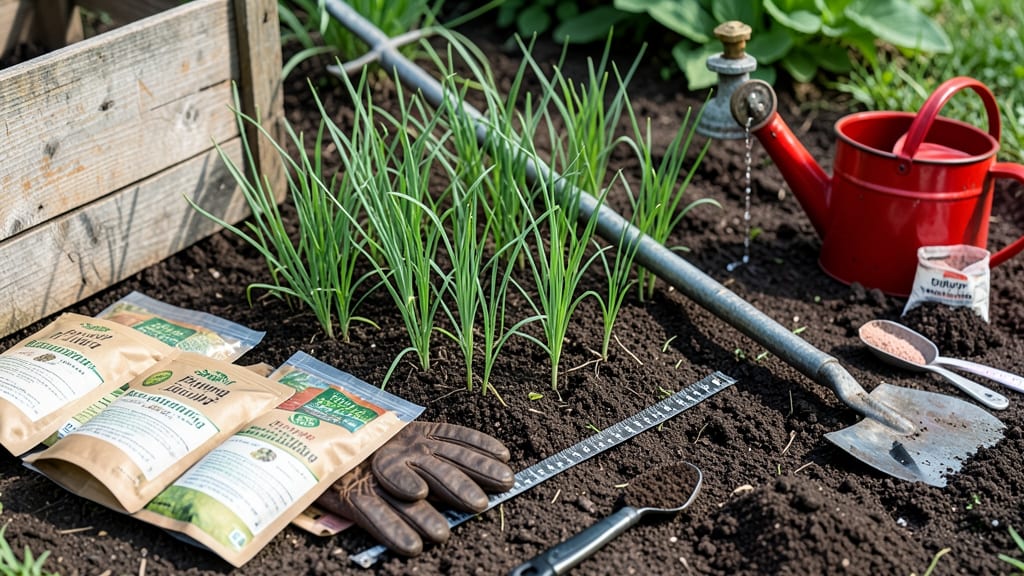
Planting grass seed in spring isn't just about tossing seeds and hoping for the best—timing makes all the difference between a lush lawn and a patchy disappointment. 🌱 After years of trial and error (and a few too many brown spots), I’ve learned the 60-degree soil rule is your golden ticket: wait until the ground warms to that temperature before seeding.
That’s usually late April to early May in most regions, but your exact window depends on where you live.
Here’s the thing—soil temperature matters more than calendar dates. Stick a soil thermometer in your yard for a week to confirm it’s ready. You’ll also want to test your soil pH (aim for 6.0-7.0) and loosen the top 2-3 inches with a rake or tiller.
Skipping prep is how you end up with seeds that sprout unevenly or get eaten by birds before they take hold. Trust me, the extra 30 minutes now saves hours of frustration later.
When you get it right, you’ll see uniform germination in 7-14 days, with grass reaching 3-4 inches tall in about a month.
The key is keeping the soil consistently moist (not soggy) during those first two weeks—think of it like giving your lawn a drink every morning until the seeds sprout. By summer, you’ll have a thick carpet of grass that outcompetes weeds before they even start.
This method works for cool-season grasses (like Kentucky bluegrass) and warm-season types (like Bermuda), though the timing shifts slightly. Northern gardeners should seed early spring, while Southerners wait until late spring or early summer.
Pro tip: Mark your calendar based on last frost date (seed 2-3 weeks after) and your local grass type’s ideal germination temp—your lawn will thank you.
📚 In This Guide
- What you need
- Instructions
- Tips and common mistakes
- Wrapping up and next steps
What you need
- ● Grass seed: Choose a high-quality, spring-friendly seed blend (e.g., Kentucky Bluegrass, Fescue, or Ryegrass). Quantity: ~5–10 lbs per 1,000 sq ft (check seed bag for exact coverage rates).
- ● Soil test kit: Ensures proper pH (ideal: 6.0–7.0 for most grasses). DIY kits or lab tests work!
- ● Lawn rake or dethatcher: For loosening soil and removing debris. Size: 18–24" wide for efficiency.
- ● Garden hose or sprinkler: With a fine mist setting for gentle watering.
- ○ Fertilizer (optional but recommended): Slow-release, spring-specific formula (e.g., 10-10-10 or 16-4-8). Apply: ½ lb per 100 sq ft before seeding.
- ● Starter fertilizer: Boosts root growth (apply after seeding).
- ● Soil conditioner: Compost or peat moss (1–2 inches) to improve texture.
- ● Seed spreader: Broadcast or drop-type for even distribution.
- ● Mulch or straw: Light layer (¼ inch) to retain moisture and protect seeds.
- ● Weather tracker app: Monitor rain forecasts to avoid overwatering.
Step-by-step guide to planting grass seed in spring
Timing matters most—spring planting gives grass the perfect growing window, but you’ve got to nail the conditions.
☀️ Step 1: Wait for Soil and Air Temperatures to Stabilize
Plant too early and cold snaps will kill tender seedlings. Aim for when daytime temperatures stay consistently above 50°F and nighttime temps don’t dip below 40°F. For most grass types, this means late April to early May in most regions—check your local frost dates as a guide.
Press your finger 2 inches deep into the soil. If it feels cool but not frozen, and you can’t see frost in the mornings, it’s time. I always test by planting a small patch first—if those seeds sprout within 7-10 days, the full lawn is ready.
🌱 Step 2: Prepare the Soil for Optimal Seed Contact
Rake the existing lawn or bare soil until it’s smooth and free of debris. You want the surface to look like a fine sandpaper texture—just rough enough for seeds to nestle into but not so bumpy they’ll roll away. For new lawns, loosen the top ½ inch of soil to improve seed-to-soil contact.
If your soil is compacted (you’ll know because water pools instead of soaking in), rent a core aerator to create small holes. This lets roots penetrate deeper and gives seeds room to establish. Lightly water the area the day before planting so the soil is moist but not soggy.
💧 Step 3: Spread Seed Evenly and Lightly Cover
Use a broadcast spreader for large areas or hand-sow in small patches. For 4 servings (about 500 sq ft), use 5-8 lbs of seed—follow the rate on your seed bag. Walk in a crisscross pattern to avoid thin or thick spots. I like to spread half the seed one way, then the other half perpendicular to ensure even coverage.
After sowing, lightly rake the area with a fine-toothed rake to press seeds into the soil—just enough so they’re covered but not buried deeper than ¼ inch. This prevents birds from scattering seeds and ensures consistent moisture contact. Water gently immediately after to settle everything in place.
⏰ Step 4: Water Consistently Without Overdoing It
Keep the soil surface evenly moist for the first 2-3 weeks—that means watering 2-3 times daily for 10-15 minutes each time. You’ll know it’s right when the top ½ inch of soil stays damp but not waterlogged. Overwatering causes seeds to rot before they sprout.
Once seedlings reach 2 inches tall, reduce watering to 1-2 times daily and gradually increase the duration to 30 minutes. Avoid walking on the lawn until the grass is 3-4 inches tall—you’ll see footprints in the soil otherwise, and it’ll take longer to fill in.
🌿 Step 5: Monitor and Maintain for Lush Growth
Watch for first green shoots in 7-21 days (cool-season grasses like fescue sprout faster than warm-season types like Bermuda). Thin areas? Sprinkle a little extra seed and cover lightly with soil. Yellow patches? That’s usually uneven moisture—adjust your watering schedule.
Once the grass reaches 3 inches, mow with a sharp blade set to 3-4 inches high. Never remove more than ⅓ of the blade height at once—this encourages deeper roots and a denser lawn. Fertilize 4-6 weeks after planting with a starter blend to give new grass the nutrients it needs to establish.
Tips & tricks for perfect spring grass planting timing
Avoid these common pitfalls—and you’ll set your lawn up for success from the very first sprout.
Temperature Matters: The 50°F daytime/40°F nighttime rule is your golden standard, but don't rely on calendar dates alone. Check your local weather forecast for overnight lows—even one night below 40°F can stunt young seedlings. I keep a small thermometer in my garden shed to track overnight temperatures, and it's saved me from planting too early more times than I can count.
Soil Test Tip: Before planting, do a quick soil test by pressing your finger 2 inches deep. If it feels damp but not wet, you're good to go. If it's bone dry, water the area lightly the day before planting—this gives seeds the moisture head start they need. Pro tip: For compacted soil, rent a core aerator for just 10-15 minutes (same as your watering sessions) to create those tiny air pockets roots love.
Seed Coverage Secret: That ¼ inch coverage rule is non-negotiable—any deeper and seeds won't get enough light to sprout. Use a wooden dowel marked at ¼ inch to check your raking depth. For extra protection against birds, I've found that lightly pressing down a 500 sq ft area with a lawn roller (set to light pressure) after sowing keeps seeds in place without burying them.
Watering Wisdom: Those 2-3 times daily for 10-15 minutes sessions might seem like a lot, but consistency is key. I set a timer on my sprinkler system and check the top ½ inch of soil between waterings—it should feel like a damp sponge, not a swamp. For uneven areas, use a spray nozzle to target dry spots without oversaturating others.
Pro Tips for When Plant Grass Seed In Spring
- Avoid these common pitfalls—and you’ll set your lawn up for success from the very first sprout.
- Temperature Matters: The 50°F daytime/40°F nighttime rule is your golden standard, but don't rely on calendar dates alone.
- Soil Test Tip: Before planting, do a quick soil test by pressing your finger 2 inches deep.
Frequently asked questions
Got questions about planting grass seed in spring? You’re not alone! Here are answers to the most common concerns to help you grow a thriving lawn with confidence.
What’s the best time of spring to plant grass seed?
The ideal window is early to mid-spring—once soil temperatures hit 50–65°F (10–18°C) and stay consistent for a week. This usually aligns with March–May, depending on your climate. Cool-season grasses (like Kentucky bluegrass) love this timing, while warm-season grasses (like Bermuda) should wait until late spring or summer.
How long does it take for grass seed to germinate in spring?
Germination time varies by grass type:
- Cool-season grasses: 7–21 days (sooner in warm, moist soil).
- Warm-season grasses: 10–30 days (slower until soil warms up).
Should I water grass seed daily in spring?
Yes! Water lightly but frequently—aim for ¼ inch (0.6 cm) of water per day for the first 2 weeks. Use a gentle sprinkler to avoid displacing seeds. Once sprouts reach 2–3 inches tall, gradually reduce watering to 1 inch (2.5 cm) per week. Morning watering prevents fungal growth.
Can I plant grass seed over existing grass?
It’s possible, but thin or patchy areas work best. First, mow the existing grass short (1–1.5 inches) and rake away debris. For bare spots, loosen soil with a rake to improve seed-to-soil contact. Top-dress with a thin layer of compost or starter fertilizer. Avoid overseeding thick turf—it’ll compete with your new seedlings.
What should I do if birds or pests eat my grass seed?
Don’t panic! Use bird repellent sprays (like suet or reflective tape) or cover seeds with straw or netting temporarily. For pests (like squirrels or insects), try diatomaceous earth or a pet-safe repellent. Reapply seed if needed—spring’s unpredictable, but persistence pays off!
Wrapping up and next steps
Planting grass seed in spring is your golden ticket to a vibrant, healthy lawn—just time it right! Aim for early spring (as soon as soil is workable) or late spring (after the last frost), ensuring your grass thrives with proper prep, seed choice, and care.
With patience and the right techniques, you’ll enjoy lush, green blades all season long.
Ready to transform your yard? Roll up your sleeves, grab your tools, and start planting! 🌱 For extra confidence, check local planting guides or consult a nursery pro before diving in.