Propagation
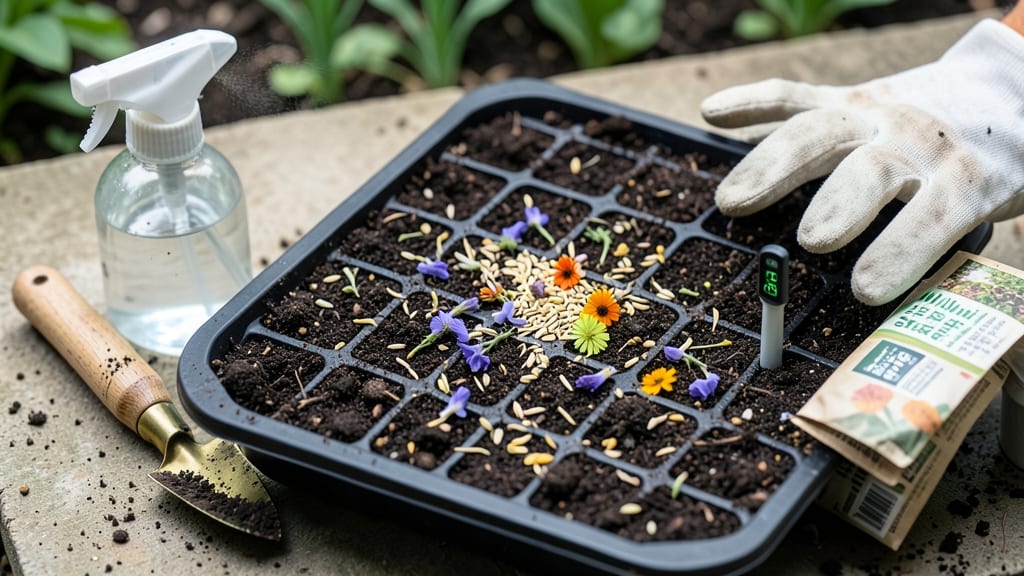
Wildflower seed germination time can range from 10 to 60 days—unless you know the science-backed tricks to cut that time in half. 🌱 I’ve watched my own meadow transform from bare soil to blooming wildflowers in just 3 weeks, and it all starts with understanding how temperature, moisture, and even seed coatings control when those first green shoots appear.
The secret lies in matching your planting timing to the seeds’ natural rhythms. Most wildflowers need consistent soil temperatures between 60°F and 75°F to germinate, which means fall planting in warm climates or early spring in cooler zones.
Some seeds, like poppies, even need a cold period (stratification) to break dormancy—simply refrigerate them for a few weeks before sowing.
With the right prep, you’ll see first sprouts within 7 to 14 days, and a full meadow within 6 to 8 weeks. The key is keeping soil moist but not soggy—think of it like a damp sponge, not a swamp.
Even drought-tolerant wildflowers need steady moisture to wake up from their long sleep.
Whether you’re sowing in a sunny field, a container garden, or between sidewalk cracks, these timing tricks work everywhere. The best part? Once you master germination, your wildflower patches will bloom reliably year after year with almost no effort.
📚 In This Guide
- What you need
- Instructions
- Tips and common mistakes
- Wrapping up and next steps
What you need
- ● Wildflower seeds – Choose native or regionally adapted varieties (e.g., Black-Eyed Susan, Coneflower, or Lupine). Aim for 1–2 pounds per 1,000 sq. ft. for optimal coverage.
- ● Seed germination mix – A lightweight, well-draining blend (e.g., 50% peat moss, 30% perlite, 20% vermiculite). Avoid garden soil—it’s too dense!
- ● Planting containers or trays – Use seed-starting trays (with drainage holes) or biodegradable pots. For direct sowing, prep a sunny, weed-free garden bed.
- ● Watering can or spray bottle – A gentle misting nozzle prevents seed displacement. Aim for 1–2 tbsp of water per sq. ft. daily.
- ○ Clear plastic domes or row covers – Optional but highly recommended for humidity (e.g., 1–2 mil plastic or a humidity tent).
- ● Grow lights or sunny windowsill – Seeds need 12–16 hours of light daily. A full-spectrum LED grow light works wonders if natural light is limited.
- ○ Thermometer (optional but helpful) – Monitor soil temps between 60–75°F (15–24°C) for ideal germination.
- ● Hand trowel or seed spreader – For precise planting (especially for tiny seeds like Phlox or Milkweed).
- ● Labeling sticks or markers – Track seed types and planting dates (e.g., bamboo skewers + masking tape).
- ● Fertilizer (low-nitrogen, balanced) – Use a 5-10-5 or 10-10-10 formula only after sprouts emerge (dilute to half-strength!).
- ● Compost or organic matter – Mix 1 inch into garden beds before direct sowing for nutrients.
- ● Mulch (straw or shredded leaves) – Helps retain moisture and suppress weeds (apply ¼ inch after germination).
- ● Notebook or germination tracker – Log seed types, planting dates, and sprout timelines for future reference!
How to accelerate wildflower seed germination using science-backed techniques
Wildflowers don't always follow the rules—here's how to work with their quirks for faster, stronger sprouts.
🌱 Step 1: Prep Seeds for Maximum Germination Potential
Wildflower seeds often have tough outer shells that slow germination. For most varieties, soak seeds in warm water for 12-24 hours before planting. This softens the seed coat and mimics natural spring rains. Place them in a bowl of water and let them sit—you'll see some float, which is normal. Only plant the ones that sink to the bottom.
For seeds that require stratification (like many native wildflowers), mix them with damp peat moss in a sealed container. Store this mix in the refrigerator for 30-90 days to simulate winter conditions. Check periodically—once they sprout, plant immediately. This cold treatment breaks dormancy and triggers germination.
💧 Step 2: Plant in Ideal Soil Conditions
Wildflowers thrive in well-draining soil, so avoid heavy clay or compacted ground. Loosen the top 2-3 inches of soil with a rake or garden fork, breaking up any clumps. For best results, plant seeds in late summer or early fall—this mimics their natural germination cycle and helps them establish roots before winter.
Scatter seeds lightly over the prepared soil, then cover with a thin layer of fine mulch or compost—no deeper than ¼ inch. Press gently to ensure contact with the soil. Overwatering now can wash seeds away, so water lightly just enough to moisten the surface. You'll know it's right when the soil looks damp but not soggy.
☀️ Step 3: Provide Consistent Moisture and Light
Wildflower seeds need consistent moisture to germinate, but they also require full sun once sprouted. Water gently every 2-3 days until the soil feels damp 1 inch deep. Use a spray bottle for delicate seedlings—this prevents erosion and keeps seeds in place. Avoid overhead watering, which can dislodge seeds or cause fungal issues.
Place the planting area in a spot that gets at least 6 hours of sunlight daily. If germination happens indoors, use a grow light set to 14-16 hours per day. You'll see the first sprouts in 7-30 days, depending on the species—some wildflowers are fast, while others take patience. Thin seedlings to 6-12 inches apart once they reach 2-3 inches tall to prevent overcrowding.
⏰ Step 4: Monitor and Adjust for Faster Growth
Wildflowers often germinate unpredictably, so check the soil daily for moisture. If it dries out, seedlings can die within hours. Use your finger to test—if the top layer feels dry, water again. Once sprouts appear, reduce watering slightly to encourage strong root development, but keep the soil consistently moist.
Watch for true leaves (the second set of leaves after the initial cotyledons) as your signal to adjust care. This is when seedlings are ready for a light fertilizer application, like a diluted fish emulsion (use half-strength). Avoid heavy fertilizers, which can burn delicate wildflower roots. You'll notice faster growth and deeper green color within a week.
Tips & tricks for faster wildflower germination
A few science-backed adjustments can transform your germination timeline from weeks to days—here's how to work smarter, not harder.
Soaking Strategy: When soaking seeds for the 12-24 hour period in Step 1, use filtered or distilled water instead of tap water to avoid chlorine buildup that can inhibit germination. I place a paper towel over the bowl to prevent evaporation while allowing oxygen exchange—this keeps the water fresh longer. For seeds that float, I give them an extra 12 hours of soaking before discarding, as some varieties need slightly longer hydration.
Stratification Shortcut: If you're short on time for the 30-90 day cold treatment, try a "warm stratification" alternative for some species: Mix seeds with damp vermiculite (not peat moss) and store at 70-75°F for 2-4 weeks. This works particularly well for species like black-eyed Susans or coneflowers, though results vary by variety. Always check your seed packet for specific requirements.
Moisture Management: The 2-3 day watering schedule in Step 3 can be tricky—overwatering is just as harmful as underwatering. I use a moisture meter to verify that the top inch of soil stays consistently damp, not soggy. For container growing, I place trays on saucers with pebbles to create a self-watering system that maintains even moisture without direct overhead watering.
Lighting Hack: When using grow lights for 14-16 hours per day, position them 6-12 inches above seedlings to prevent leggy growth. I rotate my containers daily to ensure even light exposure on all sides, which creates stronger stems. For indoor germination, I keep lights on a timer to maintain consistent light cycles without manual intervention.
Pro Tips for Wildflower Seed Germination Time
- A few science-backed adjustments can transform your germination timeline from weeks to days—here's how to work smarte...
- Soaking Strategy: When soaking seeds for the 12-24 hour period in Step 1, use filtered or distilled water instead of ...
- Stratification Shortcut: If you're short on time for the 30-90 day cold treatment, try a "warm stratification" altern...
Frequently asked questions
Got questions about wildflower seed germination? You’re not alone! Here are some of the most common ones—plus quick, science-backed answers to help you grow a thriving meadow.
How long does it take for wildflower seeds to germinate?
Germination time varies widely—anywhere from 7 to 60+ days, depending on the species, soil conditions, and weather. Fast germinators like annual bluegrass may sprout in 5–10 days, while perennials like black-eyed Susan can take 2–4 weeks. Always check the seed packet for specifics!
Can I speed up germination for stubborn seeds?
Yes! Try these tricks:
- Stratification: Mimic winter by chilling moist seeds in the fridge for 2–4 weeks (great for lupine or coreopsis).
- Scarification: Lightly nick hard seed coats with sandpaper or soak in warm water overnight.
- Warmth + moisture: Use a heat mat (70–80°F) and keep soil damp (not soggy).
What’s the best time of year to plant wildflower seeds?
Timing is key! For fastest results, plant in:
- Early fall (6–8 weeks before first frost): Seeds stratify naturally over winter.
- Late winter/early spring (as soon as soil is workable): Ideal for warm-season bloomers like coneflowers.
Why aren’t my wildflower seeds sprouting?
Don’t panic! Common culprits include:
- Too deep: Most wildflower seeds need light to germinate—plant no deeper than ¼ inch.
- Poor soil contact: Press seeds gently into soil (or mix with sand) to ensure moisture reaches them.
- Extreme temps: Seeds need consistent 50–80°F soil temps. Use row covers if nights are chilly.
- Old seeds: Viability drops after 1–2 years for many species. Test a few in a damp paper towel first!
Can I grow wildflowers from store-bought mixes?
Pre-mixed wildflower blends are convenient and often include a germination guide on the packet. However, expect a mix of bloom times—some may sprout in weeks, while others take months. For a guaranteed show, choose mixes labeled for your climate zone (e.g., "drought-tolerant" or "cool-season").
Pro tip: Add a thin layer of compost to store-bought mixes to boost nutrient-poor soils.
Wrapping up and next steps
Understanding wildflower seed germination time is your first step toward transforming your garden into a vibrant, pollinator-friendly paradise! 🌸 From patience with slow starters like lupine to quick-sprouting cosmos, each species has its rhythm—but with the right conditions, you’re already ahead of the game.
Now that you’re armed with science-backed timing and tips, it’s time to roll up your sleeves and plant with confidence.
🌱 Your Next Step:
- Pick your favorite wildflowers and check their ideal planting window.
- Grab your supplies and start sowing—whether in containers, directly in the soil, or even indoors!
- Stay tuned for germination progress tips to keep your sprouts thriving.
You’ve got this—happy planting! 🌿