Lawn
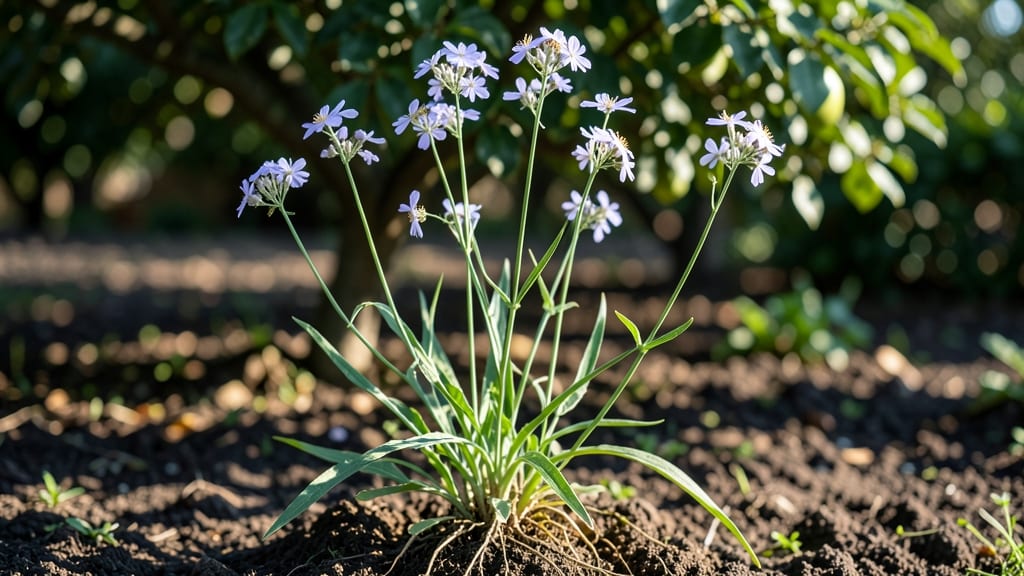
Growing flax seed flowers (Linum usitatissimum) means harvesting straight, twist-free pods packed with viable seeds—no tangled stems in sight. 🌱 I learned the hard way that proper spacing and soil prep are the secret to keeping those delicate stems upright, even when the plants reach waist height.
The payoff? Seeds that germinate reliably for next year's crop or for culinary use, plus stems strong enough for fiber projects.
Start with well-draining soil rich in organic matter—flax hates soggy roots. Plant seeds ¼ inch deep in full sun, spacing them 6-12 inches apart to prevent crowding. Water lightly but consistently; let the top inch of soil dry between waterings.
This isn't a high-maintenance crop, but it does demand attention to spacing—skimp here, and you'll end up with tangled stems that twist like overgrown twine.
By mid-summer, you'll see those signature sky-blue flowers give way to seed pods that stay straight and sturdy. Harvest when pods turn golden-brown (about 100 days after planting) and dry them indoors for seed storage.
The seeds themselves are nutritious—add them to smoothies or bake with them—and the stems make excellent linen fiber when processed correctly.
Watch for flax rust (orange spots on leaves) and aphids; both can weaken plants. Remove affected foliage immediately, and consider companion planting with marigolds to deter pests.
With the right care, you'll go from seed to harvest in just three months, with enough seeds to replant or share—and no frustrating tangles to deal with.
📚 In This Guide
- What you need
- Instructions
- Tips and common mistakes
- Wrapping up and next steps
What you need
- ● Flax seeds (organic, untreated): 1 lb (or ~2 cups) – Choose Linum usitatissimum for best results. Look for seeds labeled for flowering, not just fiber production.
- ● Well-draining potting mix: 10–15 lb bag – A blend of 50% peat moss, 30% perlite, and 20% compost works perfectly. Avoid heavy clay soil.
- ● Containers (with drainage holes): Option 1: 6–8 individual 4-inch pots (for spaced planting)
- ● Option 2: 1 large shallow tray (12" x 24") with drainage
- ● Watering can or spray bottle: With a fine rose attachment for gentle watering.
- ● Plant labels: 6–8 small stakes or markers (to track varieties if testing multiple types).
- ○ Gloves (optional but recommended): Flax seeds can be dusty—lightweight gardening gloves help.
- ● Small hand trowel or spoon: For planting seeds at the right depth (¼ inch).
- ● Sunlight access: A south-facing window (6+ hours of sunlight) or a grow light (12–14 hours/day).
- ● Patience (the most important tool!): Flax flowers in 60–90 days—plan ahead for the best harvest.
- ● Fertilizer: A balanced organic fertilizer (5-5-5 ratio) to boost growth. Use sparingly—flax prefers lean soil!
- ● Trellis or stakes: For taller varieties (up to 3 feet), though most flax is self-supporting.
- ● Humidity dome or plastic wrap: To retain moisture during germination (remove once sprouts appear).
- ● Journal/notebook: To track planting dates, watering schedules, and flower development.
Step-by-step instructions for growing flax seed flowers
Let’s grow flax the right way—straight stems, no twisting, and pods full of viable seeds.
🌱 Step 1: Start Seeds Indoors for Strong Stems
Sow flax seeds ¼ inch deep in 2-inch-deep pots filled with sterile seed-starting mix. I like to use biodegradable pots so I can transplant without disturbing roots. Keep the mix moist but not soggy—flax seeds need consistent moisture to germinate, but they rot if waterlogged.
Place the pots in a warm spot (70-75°F)—a seedling heat mat speeds things up. Seeds typically sprout in 7-14 days, but don’t rush watering once they appear. Overwatering now leads to damping-off, a fungal disease that collapses seedlings overnight.
☀️ Step 2: Provide Even Light to Prevent Leggy Growth
As soon as the first true leaves appear, move seedlings under 14-16 hours of bright light daily. A south-facing window works, but most homes don’t have enough intensity. I use a grow light just 2-4 inches above the plants—too far away, and stems stretch weakly toward the light.
Rotate pots quarter-turn daily so stems grow straight instead of leaning. You’ll see strong, compact seedlings with deep green leaves and short internodes (spaces between leaves). If stems look pale and elongated, your light is too weak—move it closer.
🪴 Step 3: Transplant Outdoors After Frost Risk Passes
Wait until soil temperature reaches 50°F and nighttime temps stay above 45°F—flax is frost-sensitive. Space plants 12-18 inches apart in well-draining soil (they hate soggy roots). I dig a hole twice as wide as the root ball to encourage outward growth, which prevents stems from twisting.
Water deeply right after transplanting to settle the soil, then let it dry slightly between waterings. Flax is drought-tolerant once established, but consistent moisture during flowering ensures pod development. Mulch lightly with straw to retain moisture without smothering stems.
✂️ Step 4: Support Stems and Harvest Pods at Peak Ripeness
As plants grow 3-4 feet tall, I tie them to bamboo stakes at the base to prevent wind damage. Flax stems naturally twist as they mature, but staking keeps them upright. When pods turn golden-brown and dry, they’re ready—do not harvest too early, or seeds won’t be viable.
Cut stems with clean shears, leaving 2 inches of stalk. Hang bundles upside down in a dry, well-ventilated space for 2-3 weeks to fully dry. Once pods rattle when shaken, thresh seeds by rubbing stems between your hands or with a clean cloth. Store seeds in a cool, dark place for up to 2 years.
Tips & tricks for perfect flax seed flower growth
These simple strategies will help you grow flax plants with straight stems and plump, viable seed pods.
Seed Starting: I learned this the hard way after ruining three batches—flax seeds need that ¼-inch depth and 2-inch-deep pots to prevent overcrowding as they grow. Use a pencil to make small holes in the soil for precise planting, and press seeds gently but firmly to ensure good soil contact.
Light Management: The 14-16 hours of bright light is non-negotiable for preventing leggy growth. If you don't have a grow light, place seedlings on a windowsill that gets direct sunlight for at least half the day. I noticed my plants grew much straighter when I moved them to a sunny spot by 10 AM each morning.
Transplanting: When transplanting outdoors, focus on that twice-as-wide hole technique—it encourages roots to spread outward rather than downward, which helps prevent the twisting stems you're trying to avoid. Add a handful of compost to the planting hole for extra nutrients during this critical growth phase.
Harvesting: The golden-brown pods are your clear signal to harvest, but don't wait until they're completely dry on the plant. If you leave them too long, they'll shatter and release seeds prematurely. I find that cutting stems when pods are about 75% dry gives me the best results for threshing later.
Pro Tips for Flax Seed Flower
- These simple strategies will help you grow flax plants with straight stems and plump, viable seed pods.
- Seed Starting: I learned this the hard way after ruining three batches—flax seeds need that ¼-inch depth and 2-inch-d...
- Light Management: The 14-16 hours of bright light is non-negotiable for preventing leggy growth. If you don't have a ...
Frequently asked questions
Got questions about growing flax seed flowers? You’re not alone! Here are some of the most common queries—and their straightforward answers—to help you cultivate twist-free pods and viable seeds with confidence.
How long does it take for flax seed flowers to grow from seed to harvest?
Flax seed flowers typically take 80–100 days to mature from seed to harvest, depending on your climate and variety. In cooler regions, expect a longer timeline (up to 120 days), while warmer areas may see faster growth. Start seeds indoors 6–8 weeks before the last frost for optimal timing.
Why do flax seed pods twist and how can I prevent it?
Pods twist due to uneven moisture, poor soil drainage, or overcrowding. To prevent it:
- Water consistently—keep soil evenly moist but not soggy.
- Space plants 6–12 inches apart to improve airflow.
- Use well-draining soil (sandy loam works best).
- Avoid nitrogen-heavy fertilizers—flax prefers lean soil.
Can I grow flax seed flowers in containers or just in the ground?
Yes! Flax thrives in containers at least 12 inches deep with drainage holes. Use a lightweight potting mix and place pots in full sun. Containers work well for small patches or urban gardens, but ensure they’re large enough to accommodate the plant’s 1–3 foot height.
What’s the best way to harvest flax seed pods for viable seeds?
Harvest pods when they’re fully dry and turning golden (usually late summer to early fall). Gently twist or cut them off the stem, then thresh by hand or with a flail to separate seeds. Store seeds in a cool, dry place (like a paper bag) for up to a year to maintain viability.
Are there any common pests or diseases to watch for with flax flowers?
Flax is generally pest-resistant, but watch for:
- Flax rust (orange spores)—remove infected plants immediately.
- Aphids or spider mites—spray with water or neem oil if seen.
- Birds—cover young plants with netting if birds are a nuisance.
Wrapping up and next steps
Growing flax seed flowers is a rewarding journey that connects you to nature while yielding beautiful blooms and nutrient-rich seeds—without the hassle of tangled pods! 🌱 Whether you're a gardening novice or a seasoned green thumb, this twist-free method ensures a bountiful harvest with minimal effort.
Ready to take the next step? Start small—plant a few seeds in your garden or a sunny windowsill—and watch your flax flowers thrive. Once you’ve mastered the technique, expand your plot or even share seeds with fellow gardeners to spread the joy! 🌟