
Lawn
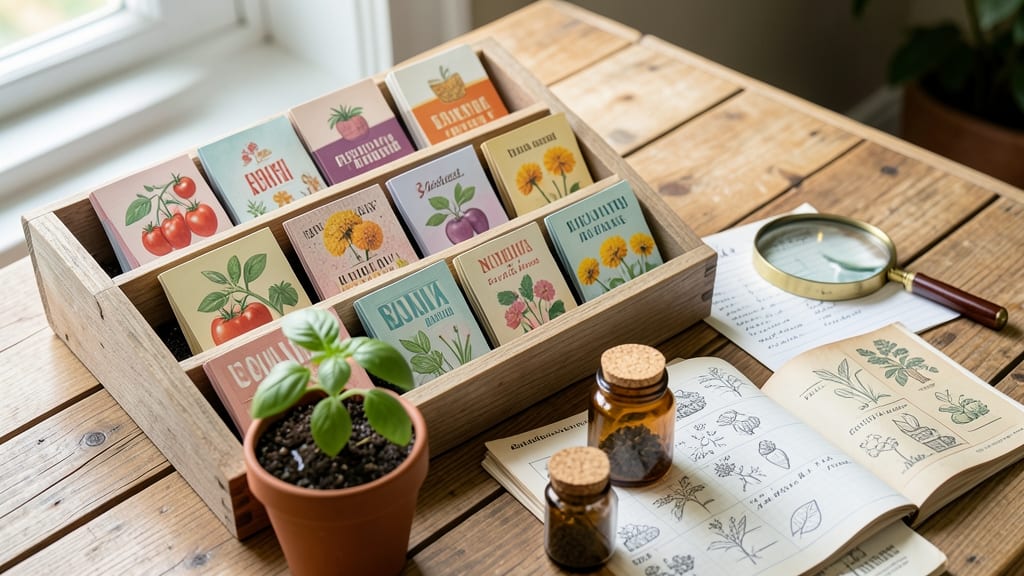
Flipping through garden seed catalogs in January feels like planning a vacation—except this trip grows food. 🌱 The right catalogs offer varieties you’ll never find at the store, from heirloom tomatoes that taste like summer to disease-resistant greens that thrive in your climate.
My favorite catalogs balance rare finds with practical advice, so you’re not just ordering seeds—you’re building a garden with purpose.
What sets these catalogs apart is the heirloom variety spotlight—plants with history, flavor, and resilience. You’ll discover tomatoes like ‘Brandywine’ that weigh a pound each or peppers so sweet they’re almost candy.
Many also highlight organic, non-GMO, and region-specific seeds, so your order matches your growing conditions. The best catalogs even include planting charts to sync your harvests perfectly.
Imagine pulling fresh basil in April or harvesting crisp carrots by July—these catalogs make it happen. You’ll get seeds tailored to your zone, space, and goals, whether you’re a balcony gardener or managing a quarter-acre plot.
The convenience of ordering seeds means no more settling for store-bought plants or limited varieties.
Start by noting your first frost date and space constraints—this helps narrow down your choices. Then, cross-reference catalogs for the best deals and variety overlaps. By spring, you’ll have a customized seed collection ready to transform your garden into a productive, flavorful oasis.
Here’s how to make the most of your selections!
📚 In This Guide
- What you need
- Instructions
- Tips and common mistakes
- Wrapping up and next steps
What you need
- ● Garden seed catalogs (1-3, depending on variety preferences): Choose from reputable publishers like Burpee, Seed Savers Exchange, or Baker Creek for heirloom and organic options.
- ● Notebook or planner (1): To track seed varieties, planting dates, and garden layout.
- ● Highlighters or sticky notes (2-3 colors): For marking favorites, notes, and deadlines.
- ● Measuring tape or ruler (1): For planning garden bed dimensions (12–18 inches apart for most veggies).
- ● Pencil or pen (1): For jotting down seed quantities and spacing.
- ● Garden gloves (1 pair): To protect your hands while planting or handling soil.
- ○ Seed starting supplies (optional but helpful): Seed trays or biodegradable pots (10–20, depending on scale).
- ● Potting mix (1–2 bags, 10–15 quarts each).
- ● Grow lights or sunny windowsill (for indoor starts).
- ● Garden journal (1): To document growth, challenges, and lessons learned.
- ● Seed storage containers (1–2): For organizing saved seeds or extras.
- ● Soil test kit (1): To check pH and nutrient levels before planting.
- ● Compost or organic fertilizer (1–2 bags): To enrich soil for heirloom varieties.
- ● Garden markers (50+): For labeling seeds and plants clearly.
- ● Watering can or hose with adjustable nozzle (1): For gentle, even watering.
How to choose heirloom varieties from seed catalogs
Here's my method for picking standout heirloom seeds that deliver flavor, resilience, and history.
📖 Step 1: Identify Your Growing Conditions
Start by matching varieties to your climate zone and season length. Most catalogs list days to maturity—choose seeds that align with your frost dates. For example, a 55-day tomato won't ripen in a short-season zone, but a 70-day bush bean might. I always check my local frost dates first, then highlight varieties that fit.
Pay attention to light requirements too. Some heirlooms like full sun (6+ hours), while others tolerate partial shade. If your garden gets afternoon shade, look for varieties labeled "shade-tolerant" or "partial sun." This ensures you won't waste seeds on plants that struggle in your space.
🌱 Step 2: Research Variety Traits and History
Heirloom seeds aren't just about flavor—they carry stories. Look for descriptions that mention disease resistance, unique colors, or historical significance. For example, 'Brandywine' tomatoes are prized for their rich taste and old-fashioned vines, while 'Black Krim' offers deep flavor and crack resistance. I always jot down notes on varieties that stand out to me.
Check seed-saving policies too. Some heirlooms are open-pollinated, meaning you can save seeds year after year. Others may require hand-pollination or special care. If you want to preserve seeds, pick varieties labeled "open-pollinated" or "heirloom." This saves money and keeps rare genetics alive.
☀️ Step 3: Compare Seed Sources and Reviews
Not all catalogs are equal—some specialize in rare heirlooms, while others focus on modern hybrids. I cross-reference reviews from gardening forums and blogs to see which seeds perform best in conditions similar to mine. Look for comments about germination rates, plant vigor, and flavor consistency. A variety with 90% positive reviews is far safer than one with mixed feedback.
Also, check shipping policies. Some catalogs offer free seed packets with orders over a certain amount, or they include bonus seeds for trying new varieties. I always calculate the total cost per packet, including shipping, to avoid surprises. Some heirloom seeds are pricier, but the payoff in taste and uniqueness is worth it.
⏰ Step 4: Plan Your Planting Schedule
Heirloom seeds often have longer germination times than hybrids, so order early. Most catalogs ship in 4-6 weeks, but popular varieties sell out fast. I mark my calendar with seed arrival dates and planting windows. For example, if I order in January, I'll have seeds ready for early spring planting.
Consider succession planting too. Some heirlooms, like lettuce or beans, benefit from multiple plantings spaced 2-3 weeks apart. This ensures a continuous harvest instead of one big crop. I always note which varieties work well for succession and order extra packets if needed.
🌿 Step 5: Order and Organize for Success
Once you've chosen your varieties, place your order early—especially for rare or limited-edition seeds. I always double-check the catalog's minimum order requirements and shipping deadlines. Some catalogs offer discounts for bulk orders, which can save money if you're planting a large garden.
When your seeds arrive, organize them by maturity date and planting season. I use small envelopes labeled with the variety name, days to maturity, and planting instructions. This makes it easy to grab the right seeds when it's time to plant. Store them in a cool, dark place until ready to sow.
Tips & tricks for selecting heirloom varieties
Here's what nobody tells you about making the most of those beautiful seed catalogs.
Climate Zone Reality Check: Don't just guess about your frost dates—check your local USDA zone and add 2-3 weeks to the catalog's maturity dates as a buffer. I live in Zone 6 and found that 'Cherokee Purple' tomatoes (60 days) actually need 68 days to fully ripen here. Always verify with your local cooperative extension service if you're unsure.
The History Hunt: Look beyond the basic descriptions for hidden gems. Many catalogs include stories about varieties—like 'Mortgage Lifter' tomatoes, developed during the Great Depression, or 'Amante' beans, brought back from Peru. These stories often reveal why a variety performs well in certain climates. I keep a notebook of varieties that interest me and their backstories.
Review Decoding: When reading reviews, watch for patterns in the comments. If multiple gardeners mention "slow to bolt" or "needs staking," those are red flags. I look for reviews from gardeners in similar climates to mine—someone in California might have very different experiences than I will in the Midwest. Focus on reviews with photos of the actual plants, not just the seeds.
Organization System: Create a simple spreadsheet with columns for variety name, days to maturity, planting window, and special notes (like "needs trellis" or "disease prone"). I color-code by plant family—reds for solanaceae (tomatoes, peppers), greens for brassicas (kale, cabbage)—so I can quickly see what I've already included. This prevents overcrowding and helps with crop rotation planning.
Pro Tips for Garden Seed Catalogs
- Here's what nobody tells you about making the most of those beautiful seed catalogs.
- Climate Zone Reality Check: Don't just guess about your frost dates—check your local USDA zone and add 2-3 weeks to the catalog's maturity dates as a buffer.
- The History Hunt: Look beyond the basic descriptions for hidden gems.
Frequently asked questions
Got questions about diving into garden seed catalogs? You’re not alone! Here are some of the most common queries—plus quick, actionable answers to help you get started with confidence.
What’s the best time to order seeds from a catalog?
Timing depends on your climate and growing season! For cool-season crops (like lettuce or spinach), order in early spring (Feb–March). Warm-season veggies (tomatoes, peppers) should be ordered in late winter (Jan–Feb) for early planting. Pro tip: Check the catalog’s planting zone map—it’s your roadmap to success!
Are heirloom seeds more expensive than hybrid seeds?
Yes, heirloom seeds often cost more per packet—but they’re an investment in flavor, biodiversity, and saving seeds for next year. Budget-friendly tip: Buy in bulk or look for sales during off-seasons (winter). Many catalogs offer discounts for first-time buyers or multi-packet orders!
How do I know if a seed catalog is reputable?
Look for these red flags: No contact info, vague shipping policies, or reviews mentioning delayed/unsprouted seeds. Trusted catalogs (like Baker Creek Heirloom Seeds or Seed Savers Exchange) have clear return policies, detailed growing guides, and happy customer testimonials. Always read the fine print!
Can I grow heirloom seeds in containers or small spaces?
Many heirloom varieties (like bush beans, cherry tomatoes, or dwarf peppers) thrive in containers. Check the catalog’s “space requirements” section—it’ll list height/maturity needs. Just ensure pots have drainage holes and use lightweight potting mix for urban gardens.
What do I do if my seeds arrive late or don’t germinate?
First, don’t panic! If seeds arrive late, start them indoors under grow lights (6–8 weeks before the last frost). For germination issues: Test seed viability with a simple water float test (sink = good, float = bad). Contact the catalog—they often replace seeds or offer store credit. Most heirloom seeds stay viable for 2–5 years if stored properly!
How do I save seeds from my heirloom harvest?
Easy! Let a few plants fully mature (e.g., let tomatoes turn red, beans dry on the vine). Harvest seeds, clean them, and dry in a cool, dark place. Store in airtight containers with silica packets. Seed Savers Exchange has great guides—just search “seed saving 101” for variety-specific tips!
Wrapping up and next steps
Exploring garden seed catalogs is like unlocking a treasure chest of heirloom varieties—each seed holds the promise of a harvest rich in flavor, history, and beauty. 🌱 Whether you're drawn to the vibrant colors of 'Black Krim' tomatoes or the nostalgic charm of 'Moon and Stars' watermelon, these catalogs connect you to generations of gardeners.
The next step? Flip through a few catalogs, jot down your favorites, and start planning your dream garden! Your future harvests—and future memories—are just a seed away.