Pruning
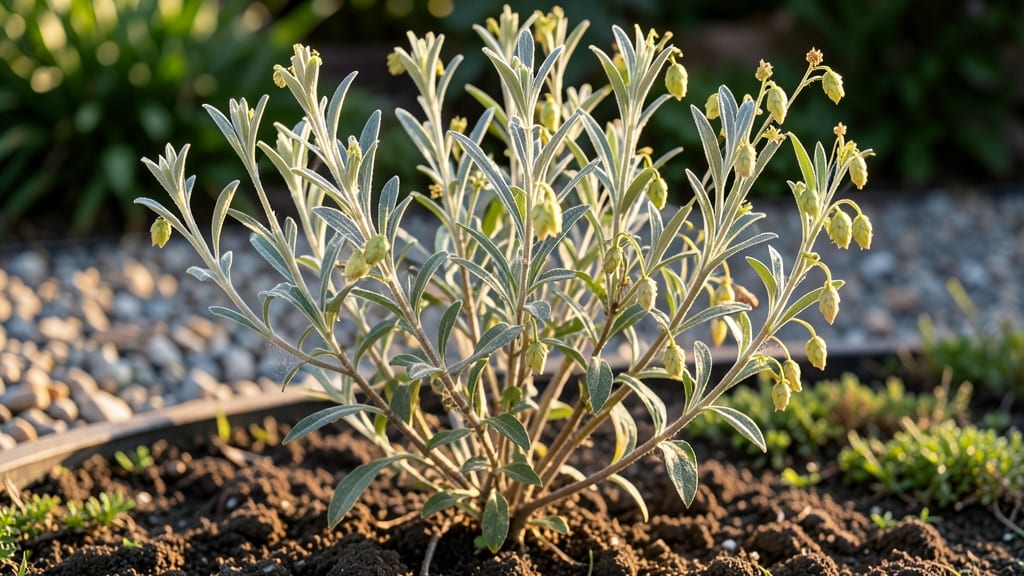
Tucson's brutal sun turns Dodonaea viscosa into a twist-resistant seed-saving powerhouse. 🌵 I've watched this hopseed bush thrive where other plants wilt, its papery pods clinging to branches like nature's zero-waste packaging—perfect for collecting seeds without a single seed head falling victim to our desert winds.
The key to maintaining this resilience lies in strategic pruning that balances growth with survival in our 110-degree summers.
This isn't your typical pruning job—think of it more like sculpting a desert survivor. You'll want to trim back one-third of the oldest growth in early spring before the heat peaks, then do light shaping in fall to encourage fresh, drought-tolerant new growth.
The bush handles it like a champ, sending out fresh, silvery foliage that reflects sunlight and keeps roots cooler. Plus, those signature red pods? They're your reward for proper care, popping open when ripe to reveal seeds that'll grow just as tough.
What you end up with is a low-maintenance bush that stays compact enough for small yards but sturdy enough to handle Tucson's infamous monsoon winds. The pods stay attached through storms, making seed collection effortless—just snip and save.
And because it's native-friendly, you'll see pollinators flocking to it all season long, turning your pruning chores into a mini ecosystem boost.
Works equally well as a privacy screen, foundation plant, or even a container specimen for patios. The twist-resistant pods mean you can prune anytime without losing seeds to the wind—just time it right for maximum bush health. Here's how to keep yours thriving through our extreme seasons.
📚 In This Guide
- What you need
- Instructions
- Tips and common mistakes
- Wrapping up and next steps
What you need
- ● Pruning shears – Bypass-style, sharp, and sterilized (1 pair). Pro tip: 💡 A disinfectant spray (70% isopropyl alcohol) helps prevent disease spread!
- ● Gloves – Thick, cut-resistant (1 pair) to protect against thorns and sap.
- ● Large trash bags or buckets – 2-3 sturdy, lined containers (16-20 gallons) for pruned branches and pods.
- ● Newspaper or cardboard – 1-2 sheets to lay under the bush and catch debris.
- ● Permanent marker – 1 for labeling seed-saving containers.
- ● Paper bags or breathable mesh sacks – 5-10 (1-gallon size) for drying and storing pods.
- ● Loppers – For thicker branches (if your bush is mature).
- ● Hose with nozzle – To rinse tools and clean sap off hands.
- ● Seed-saving journal – To track pod maturity and harvest dates.
- ● Sunscreen & hat – Tucson sun is no joke! ☀️
Step-by-step guide to pruning hopseed bush in Tucson
Tucson’s heat and dry air make pruning hopseed bush a game-changer for healthy, twist-resistant pods.
🌿 Step 1: Identify and Remove Dead or Damaged Growth
Start by scanning your hopseed bush for any branches that look brittle, brown, or completely devoid of leaves. These are your first targets—dead wood doesn’t produce pods and can harbor pests. Use sharp pruning shears to cut these back to the nearest healthy growth node, which is where you’ll see fresh green leaves or small buds.
I always work from the bottom up, removing the lowest dead branches first. This keeps the plant’s center open to airflow, which is critical in Tucson’s dry climate where fungal issues can creep in. If you’re unsure whether a branch is dead, gently scratch the bark with your fingernail—if it’s green underneath, it’s still alive.
✂️ Step 2: Thin Out Crowded Branches for Better Airflow
Hopseed bush thrives when it has room to breathe, so the next step is thinning. Look for branches that are growing inward or crossing over each other—they’ll compete for sunlight and resources, leading to weaker pods. Aim to remove about one-third of the plant’s total branches, focusing on the oldest and thickest ones first.
Make your cuts just above a leaf node where new growth can emerge. I like to step back every few minutes to visualize the plant’s shape—you want an open, vase-like structure that lets sunlight reach the center. Avoid cutting back more than one-third of the plant’s height in a single session, or you’ll shock it.
☀️ Step 3: Prune for Pod Production in Late Winter
The best time to prune hopseed bush in Tucson is late February to early March, just as new growth begins but before the heat of spring sets in. This timing ensures the plant has energy to produce pods rather than focus on recovering from pruning. Cut back any leggy growth that’s stretching too far—these are the branches that grew last season but didn’t set pods.
Focus on shortening branches by about one-third of their length, cutting just above a set of healthy leaves. You’ll see new buds forming along the remaining stems within a few weeks—that’s your signal the pruning worked. Avoid heavy pruning in summer, as the plant will struggle to recover in Tucson’s intense heat.
🪴 Step 4: Clean Up and Harvest Pods for Seed Saving
After pruning, rake up all the fallen leaves and small branches to reduce disease risk. This is also the perfect time to collect any mature pods that have dried on the plant—hopseed bush pods are ready when they turn brown and split open slightly. Twist them gently to release the seeds inside, then store them in a dry, cool place for saving.
I always leave a few pods on the plant to ensure next year’s crop. The twist-resistant pods are a bonus—they stay intact even in dry conditions, making seed saving effortless. Once you’ve finished pruning, give the plant a deep watering to help it recover, especially if Tucson’s winds have dried out the soil.
Tips & tricks for perfect hopseed bush pruning in Tucson
To get the most out of your hopseed bush and ensure those twist-resistant pods thrive, here are the key details that make all the difference.
Timing is Everything: Late February to early March is the ideal window for pruning in Tucson's climate. This timing aligns with the plant's natural cycle—just as new growth begins but before the intense spring heat sets in. The goal is to give your hopseed bush energy to focus on pod production rather than recovering from stress. If you miss this window, avoid pruning during summer months entirely, as the plant will struggle to recover in Tucson's extreme heat and dry conditions.
The One-Third Rule: Whether you're removing dead branches, thinning crowded growth, or shortening leggy stems, always aim to cut back no more than one-third of the plant's total branches, height, or length. This rule prevents shocking the plant and ensures it maintains enough foliage to continue photosynthesis. I've learned this the hard way—over-pruning can leave your bush vulnerable to pests and disease in Tucson's dry environment.
Visual Cues for Healthy Cuts: When making cuts, always look for the nearest healthy growth node where fresh green leaves or small buds appear. This is your target spot for pruning. For branches that might be questionable, do the fingernail test: scratch the bark gently—if it's green underneath, it's still alive. In Tucson's dry climate, this visual check is especially important because branches can look dead on the surface but still have life beneath.
Post-Pruning Care: After finishing your pruning, don't forget the cleanup and recovery steps. Rake up all fallen leaves and small branches to reduce disease risk, especially in Tucson's dry air where fungal spores can linger. Then give your plant a deep watering to help it recover. This final step is crucial for helping your hopseed bush bounce back and prepare for the pod production season ahead.
Pro Tips for Hopseed Bush Tucson
- To get the most out of your hopseed bush and ensure those twist-resistant pods thrive, here are the key details that make all the difference.
- Timing is Everything: Late February to early March is the ideal window for pruning in Tucson's climate.
- The One-Third Rule: Whether you're removing dead branches, thinning crowded growth, or shortening leggy stems, always aim to cut back no more than one-third of the plant's total branches, height, or length.
Frequently asked questions
Got questions about pruning your hopseed bush in Tucson for twist-resistant pods? You’re not alone!
Here are answers to the most common concerns—from timing to troubleshooting—so you can save seeds like a pro while keeping your bush happy in the Sonoran Desert climate.
When is the best time to prune my hopseed bush in Tucson?
Prune your hopseed bush after flowering but before seed pods fully mature (typically late summer to early fall in Tucson). Avoid heavy pruning in winter—it stresses the plant. Light shaping in spring encourages new growth, but focus on pod-focused pruning in late summer to prevent twisting and ensure seed viability.
How do I prevent pods from twisting during pruning?
Twisting often happens from uneven weight distribution or over-pruning. Use these tips:
- Balance cuts: Trim pods evenly, leaving 2–3 inches of stem per pod.
- Avoid topping: Never cut the main stem—it weakens the plant.
- Support pods: Tie heavy clusters to the bush with soft twine or stake them lightly.
Can I still save seeds if I miss the pruning window?
Yes! If you skip the ideal window, harvest pods when they turn brown and dry (usually late fall). While seed viability may drop slightly, you can still save them for next year. Just avoid pruning—focus on gentle harvesting to protect remaining pods.
What should I do with pruned branches?
Don’t toss them! Pruned branches are zero-waste gold:
- Compost: Chop small branches and add to your compost pile (they break down slowly but enrich soil).
- Mulch: Spread larger branches around the base to retain moisture (critical in Tucson’s heat!).
- Propagate: Root healthy cuttings in water or soil for new plants.
Why are my pods developing weird spots or pests after pruning?
Tucson’s dry heat + pruning stress can attract aphids, spider mites, or fungal spots. Act fast:
- Spray with neem oil (diluted) to deter pests.
- Improve airflow: Thin dense foliage around pods.
- Water at the base (not leaves) to prevent fungal growth.
Wrapping up and next steps
Pruning your hopseed bush in Tucson isn’t just about shaping—it’s about unlocking twist-resistant pods and a bountiful, zero-waste harvest! With the right tools, timing, and techniques, you’ll transform a wild bush into a thriving seed-saving powerhouse.
Whether you’re a seasoned gardener or a curious beginner, every snip brings you closer to self-sustaining seeds and a greener backyard.
Ready to take the next step? Start small:
- 🌱 Test one branch this season—observe how it responds to pruning.
- 📝 Journal your notes on pod development and twist resistance.
- 🤝 Share tips with local Tucson gardeners—collective knowledge grows stronger!