Planting
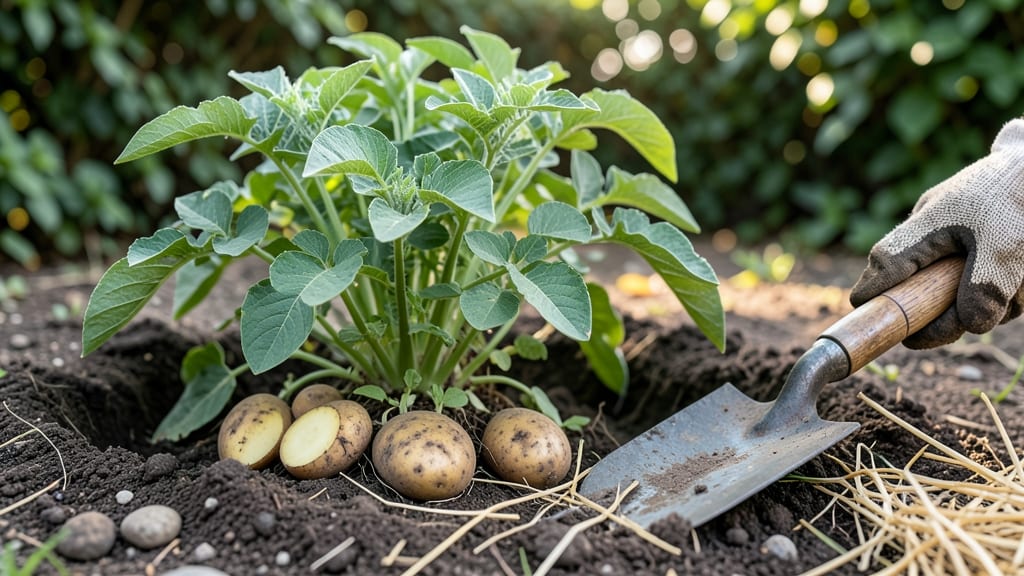
Planting seed potatoes in the ground transforms a $3 bag into a harvest that feeds you all summer. ✨ The key is timing—do it when soil reaches 50°F (usually 2-4 weeks before last frost), and you’ll have vibrant green foliage by May.
I’ve learned the hard way that rushing leads to rot, while waiting too long means stunted plants.
Start by cutting seed potatoes into 2-inch chunks with at least one "eye" (bud) per piece, then let them cure in a cool, dark place for a week. Dig trenches 4-6 inches deep, spacing them 12-18 inches apart—this gives roots room to spread without competing.
For containers, use 5-gallon pots with drainage holes and plant two chunks per pot.
After planting, mound soil around the stems as they grow (called "hilling") to protect new tubers from light exposure. Water deeply once a week unless rain does the job—consistent moisture prevents scabby skins. By mid-summer, you’ll see foot-long vines, but the real magic happens underground where those potatoes swell.
Common mistakes? Overwatering (leads to rot) or planting too shallow (exposes tubers to sunlight, turning them green). If your garden has sandy soil, mix in compost to retain moisture.
For cooler climates, plant 4-6 weeks later—potatoes thrive when nights stay above 40°F. Now grab those spuds and let’s get growing!
📚 In This Guide
- What you need
- Instructions
- Tips and common mistakes
- Wrapping up and next steps
What you need
- ● Seed potatoes – Certified disease-free, 2-3 oz each (about the size of a golf ball). Quantity: 1-2 per plant hole (depending on variety).
- ● Garden soil – Well-draining, loamy soil with a pH of 5.0–6.5. Amend with compost if needed.
- ● Garden fork or tiller – To loosen soil to a depth of 12 inches.
- ● Garden gloves – Protect your hands from dirt and sharp rocks.
- ● Measuring tape or ruler – For spacing (keep rows 2–3 feet apart).
- ● Watering can or hose with a gentle nozzle – For even moisture without disturbing soil.
- ● Potato fertilizer – High in phosphorus and potassium (e.g., 5-10-10 or 10-20-20). Apply at planting and again when flowers appear.
- ● Mulch (straw or grass clippings) – To retain moisture and suppress weeds.
- ● Plant markers or stakes – If you’re new to gardening, label your rows to track growth!
- ● Row cover or frost cloth – For late spring frosts (seed potatoes are frost-sensitive).
Step-by-step instructions for planting seed potatoes in the ground
Here's the straightforward method I've used for years—no fancy tools, just reliable results.
🌱 Step 1: Chit Your Seed Potatoes Before Planting
Place your seed potatoes in a bright, cool spot (60-65°F) for 4-6 weeks before planting. This encourages "chitting"—the growth of small sprouts. I store mine on a windowsill where they get morning sun but avoid direct afternoon heat. The chits should be 1-2 inches long by planting time, with firm stems ready to push into soil.
Real talk: If you skip chitting, your potatoes will still grow, but they’ll take longer to mature. The chits give you a head start on the growing season. Just don’t let them dry out—keep them in a slightly damp paper bag if they start to shrivel.
🪴 Step 2: Prepare the Soil and Planting Site
Choose a spot with full sun (6+ hours daily) and well-draining soil. Work in 2-3 inches of compost or aged manure into the top 12 inches of soil to enrich it. I avoid fresh manure—it can burn tender potato sprouts. Loosen the soil with a fork or tiller to break up clumps and improve aeration.
Dig trenches 12 inches deep and 18-24 inches apart, depending on your potato variety. The exact spacing isn’t critical, but give larger varieties like Russets more room. If your soil is heavy clay, consider planting on a slight mound to prevent waterlogging.
🌿 Step 3: Plant the Seed Potatoes Correctly
Place each seed potato in the trench with the chits facing upward—this ensures they grow toward the sun. Cover them with 3-4 inches of soil, leaving the top of the potato exposed. As the stems grow, mound soil around them in stages, creating a hill that protects the developing tubers from light (which turns them green and bitter).
I like to plant mine in early spring, about 2-4 weeks before the last frost date, when the soil temperature reaches 45°F. If frost threatens, cover the bed with straw mulch for protection. Water lightly after planting to settle the soil but avoid soaking—potatoes rot in soggy conditions.
⏰ Step 4: Maintain and Harvest Your Potatoes
Keep the soil evenly moist but not waterlogged—about 1 inch of water per week. You’ll know it’s right when the top 2 inches of soil feel dry to the touch. As the plants grow, hill the soil around the stems every 2-3 weeks until it reaches the base of the plant. This encourages more tuber formation and prevents greening.
When the flowers appear and start to fade (usually 70-90 days after planting), stop watering. Let the soil dry out slightly, then harvest by carefully digging around the plants with a fork. Wait 2 weeks after flowering if you want larger potatoes—smaller ones can be harvested earlier for fresh eating.
Tips & tricks for perfect seed potato planting
Common pitfalls—and how to sidestep every one. You'll save time, avoid wasted potatoes, and get a bumper crop.
Timing is Everything: The 4-6 week chitting period in a 60-65°F environment is non-negotiable for optimal growth. I place my potatoes on egg cartons to elevate them slightly—this prevents rot while keeping them in the perfect airflow. If your space is warmer than 65°F, move them to a cooler basement or garage. The goal is those 1-2 inch chits with firm stems, not leggy, weak sprouts.
Soil Science: That 2-3 inches of compost in the top 12 inches of soil isn't just decoration—it's where the magic happens. I mix in a handful of wood ash for potassium (potatoes love it!) and avoid anything with high nitrogen early in the season—too much greens the tubers. For clay soil, work in 1 part sand to 3 parts soil to improve drainage. Test your soil's pH—aim for 5.0-6.5—potatoes hate alkaline soil.
Planting Precision: When placing those seed potatoes in your 12-inch deep trenches, make sure the 3-4 inches of soil covering them is loose and airy. I use a potato planter or even a large trowel to create pockets—this prevents soil compaction that can stunt growth. The 18-24 inch spacing between plants gives roots room to breathe, but don't obsess—if you're short on space, you can squeeze them to 12 inches apart for a denser harvest (just expect slightly smaller potatoes).
Harvesting Hack: Those 70-90 days until harvest can feel like forever, but here's my secret: I harvest a few "new potatoes" when they're 2-3 inches wide (usually around 50 days) by gently brushing back the soil. The plants keep producing! For the final harvest, I wait until the foliage yellows completely—this means all the energy has gone into the tubers. If you must harvest early, do it on a dry day and let the potatoes cure in a dark, well-ventilated space for a week before storing.
Pro Tips for Plant Seed Potatoes In The Ground
- Common pitfalls—and how to sidestep every one. You'll save time, avoid wasted potatoes, and get a bumper crop.
- Timing is Everything: The 4-6 week chitting period in a 60-65°F environment is non-negotiable for optimal growth. I p...
- Soil Science: That 2-3 inches of compost in the top 12 inches of soil isn't just decoration—it's where the magic happ...
Frequently asked questions
Got questions about planting seed potatoes? You’re not alone! Here are some of the most common queries—and their answers—to help you grow like a pro.
Do seed potatoes need to be chitted before planting?
While chitting (pre-sprouting) isn’t mandatory, it gives your potatoes a head start! Place them in a bright, cool spot (around 45–55°F) for 4–6 weeks before planting. This speeds up germination and boosts yields—especially in shorter growing seasons. Skip chitting if you’re planting early in warm climates.
How long does it take for potatoes to grow after planting?
From planting to harvest, expect 90–120 days for most varieties. Early potatoes (like ‘Yukon Gold’) may mature in 60–80 days, while late varieties (like ‘Russet’) take longer. Check soil temps—potatoes thrive in 50–60°F—and watch for flowering (though flowers don’t guarantee edible tubers!).
Can I plant store-bought potatoes as seed potatoes?
Technically yes, but it’s risky! Store-bought potatoes may carry diseases (like blight) or be treated to prevent sprouting. For best results, buy certified seed potatoes from nurseries. If you must use grocery-store spuds, cut them into chunks with at least 2–3 eyes, let them heal for 24 hours, and plant the smaller pieces.
What if my potatoes get eaten by pests or diseases?
Common culprits include colorado potato beetles, slugs, and fungal diseases like blight. Prevent pests with row covers or neem oil; rotate crops yearly. For blight, choose resistant varieties (like ‘Red LaSoda’) and avoid overhead watering. If leaves yellow or wilt, act fast—remove affected plants and treat soil with copper fungicide if needed.
Can I plant potatoes in containers or small spaces?
Use 5-gallon buckets, fabric grow bags, or deep planters (12+ inches deep). Plant one seed potato per container, burying it halfway. For small gardens, try hill planting: mound soil around stems as they grow to encourage tuber formation. Just ensure containers have drainage—potatoes hate soggy roots!
Wrapping up and next steps
Planting seed potatoes is a rewarding way to grow your own fresh, homegrown spuds—no fancy tools or greenhouses required! 🌱 With the right timing, soil prep, and a little patience, you’ll soon be harvesting crisp, flavorful potatoes straight from your garden.
Whether you’re a beginner or a seasoned gardener, these simple steps make it easy to get started.
Now that you’re ready to plant, take the next step—mark your calendar for harvest time (usually 70–120 days, depending on the variety) and enjoy the satisfaction of digging up your own homegrown potatoes! 🥔✨ Happy planting!