
Propagation
Twisting lemon balm seed pods ruins their germination rate—here’s how to handle them right. 🌱 I’ve wasted weeks waiting for seeds that never sprouted until I learned the proper way to prepare and plant them. The secret lies in gentle prep and consistent moisture, not brute force.
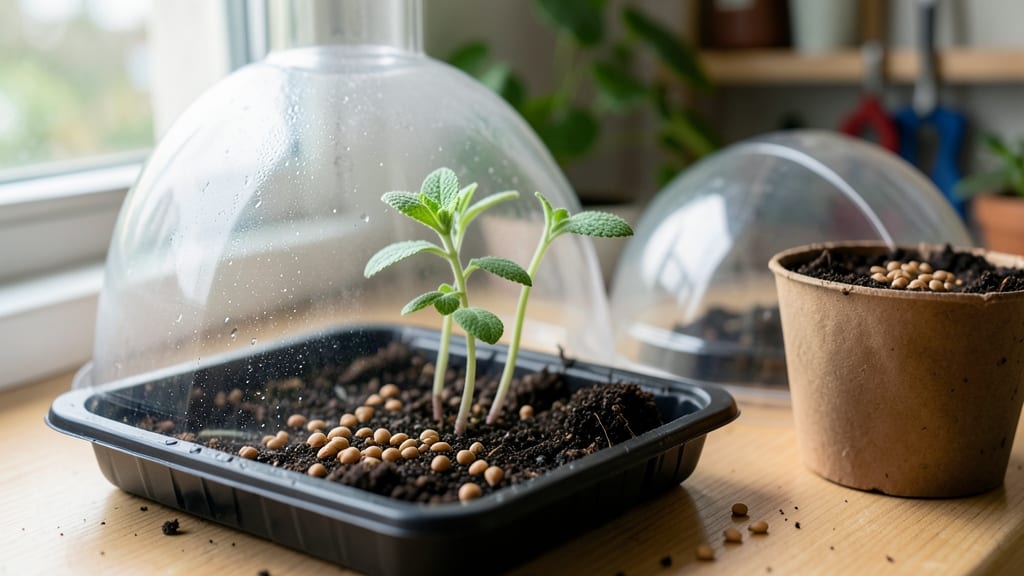
Start with a shallow tray of damp, sterile potting mix—lemon balm seeds need light to germinate, so don’t bury them. Sprinkle seeds on the surface, press lightly, and cover with a humidity dome or plastic wrap.
Keep the soil consistently moist (not soggy) at 70-75°F—a seedling heat mat helps if your home runs cooler. Within 10-14 days, you’ll see tiny green sprouts breaking through. Thin seedlings to 3 inches apart once they have two true leaves—they’ll grow fast once established.
The key is patience: lemon balm seeds are slow starters but reward you with hardy, fragrant plants. This method works for indoor starts or outdoor sowing after last frost. Avoid overwatering (the #1 killer of young seedlings) and keep them in bright, indirect light until they’re ready for transplanting.
📚 In This Guide
- What you need
- Instructions
- Tips and common mistakes
- Wrapping up and next steps
What you need
- ● Lemon balm seeds: 1 packet (50-100 seeds) – ensure they’re fresh (preferably harvested within 1-2 years).
- ● Seed-starting mix: 2-3 cups of sterile, well-draining potting soil (look for a seed-starting blend with perlite or vermiculite).
- ● Containers: 2-3 small pots (3-4 inches deep) or a seed tray with cells (if sowing multiple seeds).
- ● Watering can or spray bottle: With a fine mist nozzle for gentle hydration.
- ○ Clear plastic dome or plastic wrap: To create a mini greenhouse effect (optional but helpful).
- ● Tweezers or seedling tray: For precise seed placement (especially if seeds are tiny).
- ○ Heat mat (optional): Set to 70-75°F (21-24°C) to speed up germination.
- ● Grow lights or sunny windowsill: A south-facing window or LED grow light (12-16 hours/day).
- ● Fertilizer (post-germination): A balanced liquid fertilizer (5-5-5 or 10-10-10) once seedlings sprout.
Step-by-step instructions for germinating lemon balm seeds
Skip the frustration of dried-out pods—here’s how to coax lemon balm seeds into sprouts reliably.
🌱 Step 1: Extract Seeds from Pods Without Damaging Them
Lemon balm seeds hide inside hard, twisty pods that resist opening. I like to soak the pods in warm water for 12-24 hours first—this softens the outer coating and makes seeds easier to release. After soaking, gently squeeze the pods between your fingers until they split open. You’ll see tiny, oval seeds inside, each about 1/8 inch long. Handle them carefully—they’re delicate and dry out fast.
Spread the extracted seeds on a paper towel and let them air-dry for 1-2 hours in a warm spot. This prevents mold when you plant them later. I keep them in a small envelope until ready to sow, stored in a cool, dry place. Never skip the drying step—wet seeds planted directly will rot before they sprout.
💧 Step 2: Prepare a Moist, Well-Draining Growing Medium
Fill a shallow tray or seed-starting cells with a lightweight potting mix (avoid garden soil—it’s too dense). Lemon balm seeds need air around them to avoid damping-off. I mix in 20% perlite or vermiculite to improve drainage. Moisten the mix until it’s damp but not soggy—squeeze a handful gently; water should bead on your fingers but not drip.
Sprinkle seeds 1/8 inch deep in rows, spacing them 1/2 inch apart. Cover lightly with a thin layer of the same mix—just enough to obscure them. Press down very gently with your finger to ensure good seed-to-soil contact. Over-pressing will bury them too deep, slowing germination. Label the tray with the date and variety if you’re growing multiple types.
☀️ Step 3: Provide Warmth and Indirect Light for Germination
Lemon balm seeds germinate best at 70-75°F, so place the tray on a seedling heat mat or in a warm spot like on top of your fridge. Cover the tray with a clear plastic dome or plastic wrap to retain moisture and warmth. Check daily—condensation should form on the inside of the cover, but never let water pool on the soil surface.
Seeds typically sprout in 14-21 days, but some may take longer. Keep the soil consistently moist (not wet) by misting lightly with water if the surface dries out. The moment you see tiny green shoots, remove the cover immediately—excess humidity now will cause fungal issues. Place the tray under bright, indirect light (no direct sun yet) to prevent leggy seedlings.
🌿 Step 4: Thin Seedlings and Transition to Stronger Light
Once seedlings develop 2-3 true leaves (the second set after the initial cotyledons), thin them to 3 inches apart to reduce competition. Use small scissors to snip unwanted seedlings at soil level—pulling risks disturbing the roots of remaining plants. This step is critical; crowded lemon balm grows weak and prone to disease.
After thinning, move seedlings to a south-facing window or under grow lights for 12-14 hours of light daily. Lemon balm tolerates partial shade but grows leggy without enough light. You’ll know they’re getting sufficient light when leaves are dark green and compact, not pale or stretched. Harden off seedlings by placing them outdoors in partial shade for 1-2 hours daily starting 2 weeks before transplanting. This gradual adjustment prevents shock.
Tips & tricks for perfect lemon balm seed germination
Here's what nobody tells you about getting those stubborn lemon balm seeds to sprout reliably.
Pod Prep Secret: The 12-24 hour soak is your best friend for pod opening. If pods still resist after soaking, try gently tapping them against a hard surface—this often loosens seeds without damaging them. And here's a pro move: soak pods in warm water with a few drops of dish soap. The soap breaks down the pod's natural oils, making them split open even easier. Just rinse seeds thoroughly before drying.
Temperature Matters: That 70-75°F range is non-negotiable for germination. If your home runs cooler, place the seed tray on top of your fridge or use a seedling heat mat—both work perfectly. I've seen germination rates drop by 40% when seeds sit in cooler environments. And if you're using a heat mat, set it to the lowest setting—you want warmth, not heat that could dry out the soil.
Lighting Strategy: The bright, indirect light requirement is crucial in Step 3. If you don't have a south-facing window, grow lights are your next best option. Position them just 2-3 inches above the seedlings—they'll stretch toward the light if they're too far away. I use a simple LED grow bulb on a timer for 12 hours daily. Too much direct light at this stage can scorch delicate seedlings, so avoid placing them in sunny windowsills until after thinning.
Thinning Technique: When you're thinning to 3 inches apart in Step 4, use clean, sharp scissors to snip seedlings at soil level. This prevents disturbing the roots of your kept plants. I've found that pulling seedlings often uproots nearby plants too. After thinning, give your remaining seedlings a light mist with water to help them recover from the stress. The first few days after thinning are critical—watch for any signs of wilting and adjust watering accordingly.
Pro Tips for Lemon Balm Seed Germination
- Here's what nobody tells you about getting those stubborn lemon balm seeds to sprout reliably.
- Pod Prep Secret: The 12-24 hour soak is your best friend for pod opening. If pods still resist after soaking, try gen...
- Temperature Matters: That 70-75°F range is non-negotiable for germination. If your home runs cooler, place the seed t...
Frequently asked questions
Got questions about germinating lemon balm seeds?
You’re not alone—this process can be tricky! Here are answers to the most common queries to help you grow lush, twist-free lemon balm plants with confidence.
How long does lemon balm seed germination take?
Lemon balm seeds typically sprout in 14–30 days under ideal conditions (warmth, moisture, and indirect light). Patience is key—some seeds may take longer, especially if stored improperly. Avoid disturbing the soil until germination occurs to prevent disrupting delicate sprouts.
Why aren’t my lemon balm seeds germinating?
Common culprits include old seeds (viability drops after 1–2 years), cold soil (keep temps above 60°F/15°C), or dampness issues (overwatering suffocates seeds; use a spray bottle). Try scarifying seeds (lightly nicking the outer shell) or soaking them overnight to encourage sprouting.
Can I grow lemon balm from cuttings instead of seeds?
Cuttings root faster and retain parent plant traits.
Snip 3–4 inch stems, remove lower leaves, and dip in rooting hormone. Place in moist potting mix or water—roots form in 2–4 weeks. This method is beginner-friendly and often more reliable than seeds!
Do lemon balm seeds need light to germinate?
No—seeds germinate best in darkness initially. Once sprouts emerge (1–2 inches tall), move them to bright, indirect light (e.g., a sunny windowsill). Direct sunlight can scorch young seedlings, so start with partial shade.
What’s the best soil temperature for germination?
Lemon balm thrives in warm soil (65–75°F/18–24°C). Use a seedling heat mat if your home runs cool. Avoid cold drafts or fluctuating temps, which can stall germination. A clear plastic dome or humidity tray also helps maintain consistent moisture and warmth.
Pro Tip:
If you’re struggling with seed viability, try layering—plant seeds in late summer for a natural cold stratification period. This mimics outdoor conditions and can boost germination rates for stubborn batches!
Wrapping up and next steps
Growing lemon balm from seed is a rewarding journey—especially when you master the twist-free pod technique to boost germination success! With the right soil, moisture, and patience, you’ll soon enjoy fragrant, fast-growing plants perfect for teas, gardens, or culinary uses. 🌱
Ready to dive deeper? Experiment with different soil mixes or try propagating from cuttings next—your green thumb will thank you! 💚