
Lawn
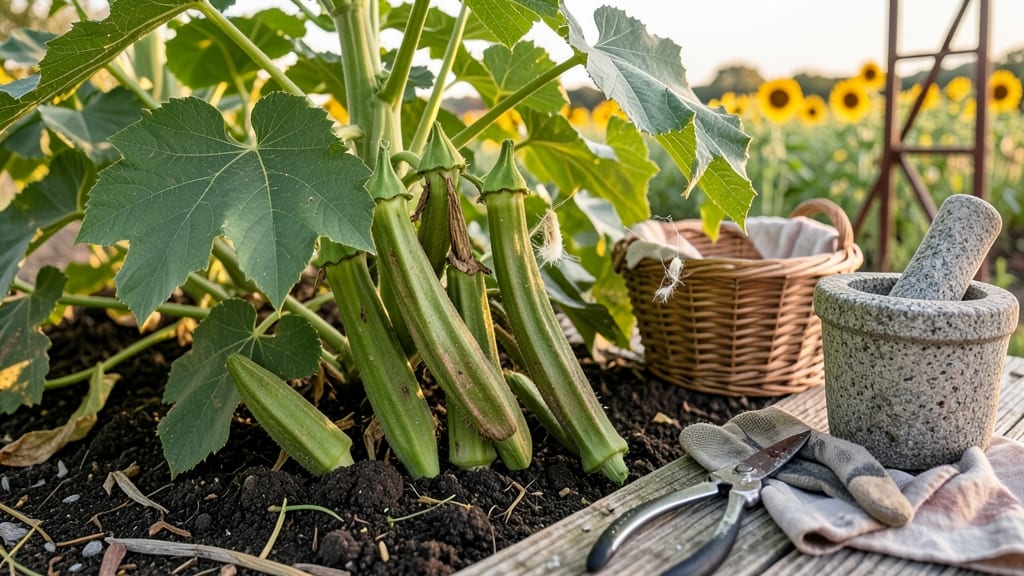
Those velvety edible seed pods from the mallow family are nature’s zero-waste gift—packed with flavor and packed with seeds for next year’s garden. 🌿 I’ve learned that harvesting them at the right stage turns a single plant into a triple harvest: fresh pods, dried seeds, and even medicinal tea from the leaves.
The key is timing, because those pods go from tender to tough faster than you’d think.
Start with plants that thrive in heat and poor soil—okra, Sida cordifolia, or even native mallows—because they’re tough enough to handle neglect but reward precision with the best pods. Give them full sun and well-draining soil, and watch them bolt upward like they’re racing the summer.
The real magic happens when you spot those first fuzzy seed pods forming—harvest them before they harden, or you’ll miss the window for both eating and saving seeds.
You’ll end up with crisp, slightly sweet pods perfect for stir-fries or pickling, plus a stash of seeds that’ll grow into next year’s crop. The dried pods even make a soothing tea, and the fibrous stems can be used for cordage—talk about zero waste!
Just remember: never eat raw pods from wild mallows unless you’re 100% sure they’re edible, and always harvest in the morning when flavors peak.
This works for backyard gardens, container growers, or even urban balconies—just pick the right variety for your space. Once you master the timing, you’ll never buy okra seeds again, and your garden will hum with edible abundance. Let’s get those pods ready for harvest!
📚 In This Guide
- What you need
- Instructions
- Tips and common mistakes
- Wrapping up and next steps
What you need
- ● Mature mallow family plants: Species like Malva neglecta (common mallow), Malva sylvestris (great mallow), or Sida hermaphrodita (wild mallow). Ensure pods are fully dried and brownish (not green!).
- ● Quantity: 3–5 healthy plants per batch (adjust based on your needs).
- ● Harvesting tools: Sharp pruning shears or scissors (for clean cuts).
- ○ Glove (optional but recommended—some mallow leaves can be prickly!).
- ● Processing supplies: Large baking sheet or tray lined with parchment paper.
- ● Paper towels or newsprint (for drying).
- ● Small paper bags or envelopes (for seed storage).
- ● Storage containers: Air-tight jars or ziplock bags with silica gel packets (to prevent moisture).
- ● A label maker or waterproof markers (to tag seeds with species/date).
- ● Desiccant packets (for long-term seed viability).
- ● A magnifying glass (to inspect pods for pests or damage).
- ● Seed catalog or plant ID app (to double-check species if unsure).
Step-by-step instructions for harvesting edible mallow seed pods
Here's how to collect seeds from mallow family plants without wasting a single pod.
🌿 Step 1: Identify Mature Seed Pods
Look for pods that have turned fully brown and feel dry to the touch—this is your signal they're ready. I run my thumb along the seam of the pod; if it opens easily, the seeds inside are fully mature. Avoid harvesting green pods, as seeds won't be viable yet.
Most mallow family pods (like okra, hollyhock, or hibiscus) split open when ripe, so check them daily. If you see seeds spilling out naturally, you've missed the window—harvest immediately after the pods turn brown but before they crack open. This usually happens in late summer or early fall, depending on your climate.
✂️ Step 2: Harvest and Prepare Pods for Drying
Use clean, sharp scissors or pruners to cut the pods directly from the stem, leaving about ½ inch of stem attached. This helps prevent moisture loss during drying. Place the pods in a single layer on a paper towel-lined tray or a mesh screen in a warm, dry spot.
I avoid handling the pods too much—they're delicate when dry. A well-ventilated area with 60-70°F temperatures works best. If humidity is high, spread a fan nearby to circulate air. The pods should dry completely in 1-2 weeks, turning crisp and brittle.
🌱 Step 3: Extract Seeds for Storage
Once fully dry, gently rub the pods between your palms or tap them lightly on a clean surface to release the seeds. Most mallow family seeds are small and flat, often with a papery coating. Sift through the debris with a fine-mesh strainer to separate seeds from chaff.
Store the clean seeds in a sealed envelope or small glass jar in a cool, dark place. Label with the plant name and harvest date—seeds from mallow family plants typically stay viable for 2-3 years if kept dry. A pinch of silica gel packets in the jar helps absorb any lingering moisture.
💧 Step 4: Optional Seed Treatment for Germination
Some mallow family seeds (like okra) benefit from a quick soak to soften their tough outer coating. Place seeds in a bowl of warm water for 12-24 hours, then drain and dry them on a paper towel before storing. This step isn’t necessary for all varieties but can improve germination rates.
If you plan to plant immediately, skip the soaking step—fresh seeds often germinate faster without it. Just scatter them on prepared soil and lightly press them in, as they don’t need deep planting. Keep the soil consistently moist until sprouts appear, which usually takes 7-14 days.
Tips & tricks for perfect mallow seed pod harvesting
A few simple tricks that'll make your mallow seed saving effortless and foolproof.
Timing Secret: The 12-24 hour soak for seeds like okra isn't just optional—it's a game-changer for germination. I've seen seeds that took 21 days to sprout without soaking, then popped up in just 5 days after this simple treatment. For varieties you're unsure about, test a few soaked and a few unsoaked to compare results.
Drying Conditions: That 60-70°F range for drying pods is critical—any hotter and you risk burning them before they're fully dry. I've used my oven on its lowest setting (around 50°F) for stubbornly humid days, with the door slightly cracked. Just monitor closely to prevent over-drying, which can make seeds brittle and unviable.
Harvesting Hack: When checking pods for maturity in Step 1, I look for three cues: color, texture, and seam separation. The pods should be uniformly brown, feel papery when touched, and open easily when you gently press the seam. If they resist, they're not ready yet—patience here prevents wasted effort on immature seeds.
Storage Wisdom: Those silica gel packets in your storage jars aren't just for show—they're essential for maintaining seed viability. I've had seeds last their full 2-3 years with them, but without, I've seen viability drop to just 1 year. Place them directly on top of the seeds or in a small mesh bag inside the jar for best results.
Pro Tips for Mallow Family Edible Seed Pods
- A few simple tricks that'll make your mallow seed saving effortless and foolproof.
- Timing Secret: The 12-24 hour soak for seeds like okra isn't just optional—it's a game-changer for germination.
- Drying Conditions: That 60-70°F range for drying pods is critical—any hotter and you risk burning them before they're fully dry.
Frequently asked questions
Got questions about harvesting and using mallow family seed pods? You’re not alone! Here are some of the most common queries—plus clear, actionable answers to help you make the most of these zero-waste treasures.
What’s the best time to harvest mallow seed pods for eating?
Harvest seed pods when they’re fully mature but before they split open on their own. For most mallow family plants (like okra or hollyhock), this means waiting until the pods turn dry and papery—usually late summer to early fall. Pro tip: Harvest in the morning when moisture levels are lower for easier handling!
How long do harvested seed pods last before they spoil?
Freshly harvested pods stay crisp for 3–5 days in the fridge, while dried pods (for seeds or flour) can last 6–12 months in a cool, dark place. For quick use, store pods in a sealed container with a paper towel to absorb excess moisture. Freeze them if you won’t use them within a week!
Can I eat raw mallow seed pods, or do they need cooking?
Young, tender pods (like okra) are edible raw but have a slimy texture. Most people prefer them cooked—sautéed, grilled, or pickled—to mellow their flavor. Older, fibrous pods are best dried for seeds or ground into flour. Always taste-test small amounts first, as some wild mallows may have mild toxins!
What’s a good alternative if my mallow pods turn bitter?
Bitterness often means the pods overmatured or stress (like drought). Try these fixes:
- Harvest earlier—pick pods when younger and more tender.
- Soak in salted water (1 tsp salt per cup) for 30 mins to reduce bitterness.
- Pair with bold flavors like garlic, vinegar, or spices (e.g., cumin or smoked paprika).
- Use for seeds—bitter pods are still great for saving seeds!
How do I reuse leftover seed pod scraps after eating?
Zero-waste wins! Compost leftover pod scraps (they break down quickly), or:
- Blend dried scraps into fertilizer tea for your garden.
- Use as mulch around plants to retain moisture.
- Add to homemade broth for extra umami (great for okra pods!).
Bonus: Save seeds from healthy pods to grow next year’s crop!
Wrapping up and next steps
Discovering the edible seed pods in the mallow family isn’t just a gardening hack—it’s a zero-waste superpower! 🌱 From okra to hollyhock, these pods offer nutrient-packed rewards while reducing food waste.
Whether you’re a seasoned seed saver or just starting, every harvest brings you closer to a sustainable, flavorful future.
Ready to dive deeper? Start small—pick one plant, experiment with flavors, and share your finds with fellow gardeners! Your kitchen (and the planet) will thank you. 🌍✨