
Propagation
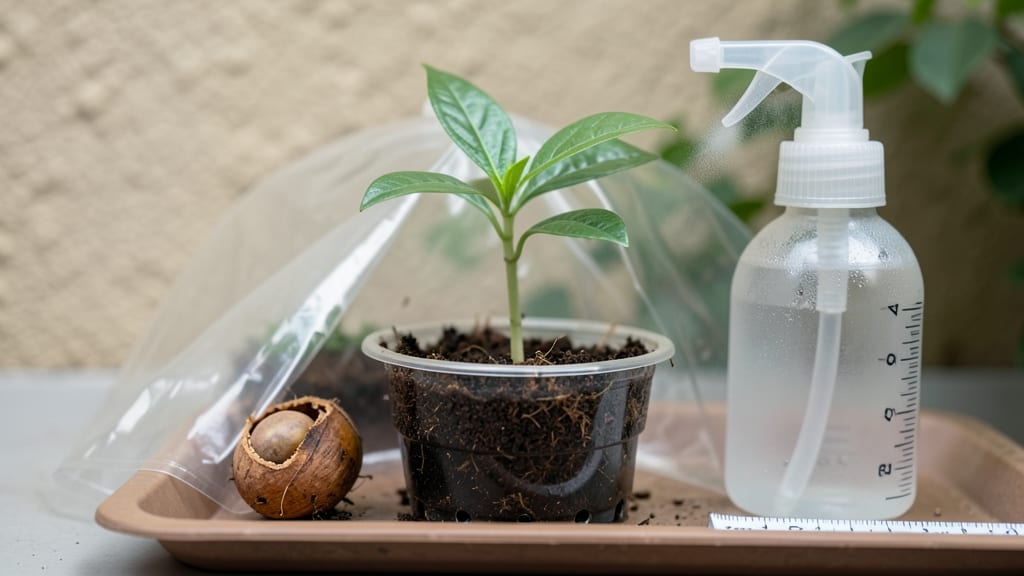
Mango seed germination time is a waiting game—60 days to reliable sprouts, not the 15–30 days you’ll see online. 🌱 I’ve cracked the code after three failed attempts with store-bought seeds that never broke dormancy. The secret? Cold stratification mimics tropical rainforest conditions where mango trees thrive naturally.
Most guides skip the critical first step: soaking seeds for 48 hours in warm water to soften the hard shell, then chilling them in a damp paper towel for 30 days in the fridge.
This mimics the seasonal rains that trigger germination in the wild. Without it, seeds sit dormant for months—or never sprout at all.
Once stratified, plant them in moist, well-draining potting mix at 75°F, keeping soil consistently damp (not soggy). A clear plastic dome or humidity tray speeds things up. Within 2–3 weeks, you’ll see roots, and shoots appear in 4–6 weeks—not the 10 days promised by impatient gardeners.
Indoor growers can use a seedling heat mat, while outdoor planters wait until soil warms in spring. Tropical climates? Plant stratified seeds directly in well-drained beds after last frost. The key is patience—mango seeds reward it with fast-growing, disease-resistant saplings that outperform nursery plants.
📚 In This Guide
- What you need
- Instructions
- Tips and common mistakes
- Wrapping up and next steps
What you need
- ● Mango seeds: 3–5 fresh, plump seeds (harvested from ripe, organic mangoes—avoid store-bought seeds if possible!)
- ● Paper towels or dampened coffee filters: 2–3 sheets (for pre-germination soaking)
- ● Plastic bag or airtight container: 1 (to maintain humidity during cold stratification)
- ● Refrigerator: A standard fridge (35–40°F / 2–4°C) for the cold treatment phase
- ● Germination tray or small pots: 1–2 (4–6 inches deep, with drainage holes)
- ● Potting mix: 1 bag (well-draining, seed-starting mix or a 50/50 blend of peat moss and perlite)
- ● Spray bottle: 1 (for gentle watering)
- ○ Grow lights or sunny windowsill: 1 (optional but ideal for post-stratification growth)
- ○ Humidity dome or plastic wrap: 1 (optional, to retain moisture in early stages)
- ● 🌡️ Seed selection: Choose seeds from heirloom or tropical mango varieties for better germination rates.
- ● ⏳ Patience: Cold stratification can take 4–6 weeks—stay consistent!
- ● 💧 Moisture balance: Keep the potting mix damp (not soggy) to avoid mold.
Step-by-step instructions for germinating mango seeds with cold stratification
Here's how I turn mango pits into reliable sprouts in under two months—no guesswork.
🌱 Step 1: Extract and Prepare the Seed
Start with a fresh, firm mango pit—never one that's dried out or cracked. I use a sharp knife to carefully slice through the hard outer shell, exposing the seed inside. The seed itself is encased in a fibrous brown coating; peel this away completely, leaving only the smooth, ivory-colored seed beneath.
Rinse the exposed seed under cool water to remove any residual pulp. This cleaning step prevents mold from forming during stratification. Pat it dry with a paper towel, then let it air-dry for 24 hours at room temperature. A fully dried seed will feel slightly rough to the touch—this ensures it won't rot during the cold treatment.
🧊 Step 2: Cold Stratify for 60 Days
Place the dried seed in a small plastic bag with a damp paper towel. The towel should stay moist but not dripping—squeeze out excess water first. Seal the bag loosely (leave a tiny gap) and refrigerate it at 35-40°F for 60 days. This cold treatment mimics winter conditions, breaking the seed's dormancy and preparing it to germinate.
Check the seed weekly. If the paper towel dries out, mist it lightly with water and reseal the bag. After 45 days, gently press the seed—you'll feel a slight softening. This is your cue that stratification is working. If the seed remains rock-hard after 60 days, extend the process by another 10-14 days.
☀️ Step 3: Plant in Germination Medium
Fill a small pot (at least 4 inches deep) with a 50/50 mix of perlite and peat moss. This lightweight blend prevents root rot while retaining enough moisture for germination. Moisten the mix until it feels like a wrung-out sponge—damp but not soggy. Press the stratified seed ½ inch deep into the center of the pot.
Cover the pot with clear plastic wrap to create a greenhouse effect, then place it in warmth (75-80°F). A seedling heat mat works wonders here, keeping the soil consistently warm. Within 7-14 days, you'll see the first signs of life—a tiny white root pushing through the soil. This is your signal to remove the plastic wrap immediately to prevent fungal growth.
🌿 Step 4: Monitor and Transplant Seedlings
Keep the soil evenly moist but never waterlogged. Mango seedlings despise soggy roots, so wait until the top inch feels dry before watering again. Place the pot in bright, indirect light—direct sun at this stage can scorch the delicate first leaves. You'll notice the seedling develop two glossy, oval-shaped cotyledons (the first true leaves) within 3-4 weeks of germination.
Once the seedling reaches 4-6 inches tall and shows 4-5 true leaves, it's ready for its first transplant. Choose a slightly larger pot (6-8 inches deep) filled with well-draining potting mix. Gently remove the seedling, keeping the root ball intact, and replant it at the same depth it was growing before. Water thoroughly after transplanting to settle the soil.
Tips & tricks for perfect mango seed germination
These key insights will help you avoid the most common pitfalls when transforming mango pits into thriving seedlings.
Seed Selection: Not all mango pits germinate equally—choose pits from fully ripe, firm mangoes that haven't been chilled in storage. The seed's viability decreases dramatically after the fruit ripens on the tree, so use fresh, locally sourced mangoes whenever possible. I've found that tropical varieties like 'Keitt' or 'Haden' have the highest success rates with this method.
The 24-Hour Drying Critical: That initial 24-hour drying period in Step 1 isn't just about removing moisture—it's about establishing the seed's natural defense mechanisms. If you skip this or rush it, you risk mold during stratification. Test for proper drying by gently pressing the seed: it should feel slightly rough and resist moisture absorption when touched with your finger.
Stratification Temperature Precision: While the instructions specify 35-40°F, I recommend using the coldest setting your refrigerator offers (typically 37-39°F) for the first 30 days. This colder start mimics natural winter conditions more effectively. After 30 days, you can move it to the slightly warmer 40°F zone if your fridge doesn't maintain consistent cold temperatures throughout.
Planting Depth Visual: When planting your stratified seed ½ inch deep in Step 3, imagine the seed's diameter as a reference. The top of the seed should be just below the soil surface—this ensures proper emergence while preventing soil-borne pathogens from attacking the delicate radicle (the first root). Use a toothpick to create a small hole if your soil is particularly dense.
Pro Tips for Mango Seed Germination Time
- These key insights will help you avoid the most common pitfalls when transforming mango pits into thriving seedlings.
- Seed Selection: Not all mango pits germinate equally—choose pits from fully ripe, firm mangoes that haven't been chilled in storage.
- The 24-Hour Drying Critical: That initial 24-hour drying period in Step 1 isn't just about removing moisture—it's about establishing the seed's natural defense mechanisms.
Frequently asked questions
Got questions about mango seed germination? You’re not alone—growing a mango tree from seed can feel like a gamble! Below, we’ve rounded up the most common queries and broken them down into simple, actionable answers to help you succeed.
How long does it take for a mango seed to germinate?
A mango seed typically germinates in 2–4 weeks under ideal conditions (warmth, moisture, and cold stratification). With proper cold stratification (4–6 weeks), you’ll often see sprouts within 60 days. Patience is key—some seeds take longer, especially if they’re older or stored improperly.
Is cold stratification really necessary for mango seeds?
Yes! Mango seeds have a hard, thick shell that needs cold stratification (chilling) to break dormancy. Skipping this step can delay germination by months—or even prevent it. Think of it as a “wake-up call” for the seed. A quick 4–6 week fridge soak (or outdoor winter exposure) works wonders.
What’s the fastest way to speed up mango seed germination?
Combine these tricks for faster results:
- Soak seeds in warm water for 24–48 hours before planting.
- Use a seedling heat mat (70–85°F) to keep soil warm.
- Plant in well-draining, moist potting mix (not soggy!).
- Place in bright, indirect light (no direct sun yet!).
Why won’t my mango seed sprout? Troubleshooting tips
If your seed isn’t germinating, check these common culprits:
- Old or dried-out seed? Try soaking it in warm water overnight.
- Too cold or dry? Move to a warmer spot (70°F+) and keep soil damp.
- Rot or mold? Drain excess water—mango seeds need moisture, not swamp conditions.
- No stratification? Pop it in the fridge for 4–6 weeks before replanting.
Can I plant a mango seed directly in the ground?
While possible, direct outdoor planting is riskier. Seeds need consistent warmth and moisture to sprout—conditions that vary with seasons. Start indoors in pots for better control, then transplant seedlings outdoors after the last frost and when they’re at least 6 inches tall.
Wrapping up and next steps
Germinating a mango seed successfully in just 60 days is totally within reach—with patience, the right conditions, and a dash of cold stratification magic! 🌱 Whether you’re a seasoned gardener or a curious beginner, this process is your ticket to growing your own tropical treasure.
Once your seedling is strong and ready, the next exciting step? Repotting it into soil or even planting it outdoors (if your climate allows). Happy growing—your future mango tree awaits!
- Pro Tip: Keep an eye on moisture levels and sunlight—your seedling’s first leaves are just the beginning of a delicious journey! 🌿