Size
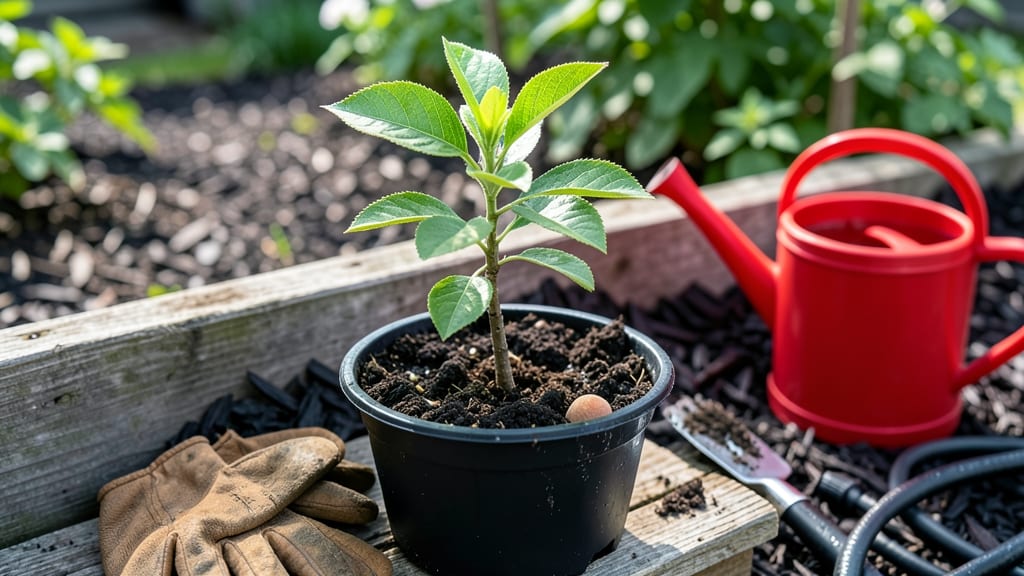
Growing a peach tree from seed means turning kitchen scraps into a garden full of future fruit—though the wait for harvest will test your patience. 🌱 I’ve started peach pits from grocery store peaches, and while they rarely match store-bought trees, the process teaches you more about orchard care than buying seedlings ever will.
The real magic happens when you crack the seed-saving system that skips the frustrating twist-and-turn of removing pits from the fruit.
The trick is simple: scoop the flesh out of the pit before it dries, then let it ferment in water for a few days to loosen the seed. This method avoids the dreaded "twist-off" battle that ruins so many good pits.
Once you’ve got clean seeds, they need 90 days of cold stratification—essentially mimicking winter—to break dormancy. I use a zip-top bag of damp sand in the fridge, and by spring, germination rates improve dramatically.
You’ll see tiny shoots in 4-8 weeks after planting, but don’t rush them into the ground. Peach seedlings are delicate—wait until nighttime temps stay above 50°F before transplanting.
The first few years focus on root growth; fruit won’t appear for 5-7 years, but the journey of watching a sapling turn into a tree is worth the wait.
This method works for any stone fruit—plums, cherries, even apricots—so save those pits instead of tossing them. The only catch? Store-bought peaches often come from sterile varieties, so your tree might not produce fruit worth eating.
For better odds, save seeds from a homegrown or heirloom peach. Either way, you’re growing a living piece of history.
📚 In This Guide
- What you need
- Instructions
- Tips and common mistakes
- Wrapping up and next steps
What you need
- ● Peach pits (seeds): 3–5 fresh, organic peach pits (avoid store-bought peaches treated with fungicides). Harvest from ripe, healthy fruit.
- ○ Small pots or containers: 3–5 4–6 inch diameter pots with drainage holes (or a seed-starting tray). Optional: Biodegradable peat pots for transplanting.
- ● Well-draining potting mix: 1–2 bags of seed-starting mix (avoid garden soil—it’s too dense for germination). Add perlite or vermiculite (10–20%) for aeration.
- ● Plastic wrap or humidity dome: To create a mini greenhouse effect while seeds sprout.
- ● Spray bottle: For gentle watering (avoid over-saturating the soil).
- ● Pruning shears or knife: For carefully cracking open peach pits (wear gloves—amygdalin in pits is toxic if ingested!).
- ○ Fungicide (optional): A mild solution like neem oil (1 tsp per quart of water) to prevent mold during germination.
- ○ Grow lights (optional): A full-spectrum LED setup (12–16 hours/day) if natural light is limited (seedlings need bright, indirect light).
- ● Twist-free seed pods (DIY or store-bought): For long-term seed storage (see our zero-waste pod tutorial!).
- ○ pH test kit (optional): To ensure soil pH is 6.0–7.0 (ideal for peach seedlings).
- ● A warm, bright spot (70–80°F) for germination (e.g., a sunny windowsill or greenhouse).
- ● Patience! Peach seeds can take 4–8 weeks to germinate—consistency is key.
- ● Outdoor space (eventually): Peach trees need full sun (6+ hours/day) and well-draining soil once transplanted.
Step-by-step instructions for growing peach trees from seed
Here's how to turn a peach pit into a thriving tree—no twisting required!
🌱 Step 1: Extract and Prepare the Seed
Start by washing the peach pit thoroughly to remove any remaining fruit residue. I like to use a paper towel to dry it completely before cracking it open. Place the pit between two heavy books for 24 hours—this gentle pressure helps break the shell without damaging the seed inside.
Once cracked, remove the seed and inspect it for any signs of damage. The seed should be plump and firm, not shriveled or discolored. If you're working with multiple pits, I recommend labeling them with the peach variety and date—this helps track growth patterns later.
💧 Step 2: Stratify for Germination Success
Peach seeds need a cold stratification period to break dormancy. Place the seeds in a sealed plastic bag with a damp paper towel—just enough moisture to keep it slightly damp, not soggy. Store the bag in the refrigerator for 6-8 weeks at 35-40°F. This mimics winter conditions and signals the seed it's time to grow.
Check the bag weekly to ensure the paper towel stays moist. If it dries out, mist it lightly with water. After 6-8 weeks, the seed will be ready for planting—you'll notice a slight softening when pressed gently.
☀️ Step 3: Plant in Well-Draining Soil
Fill a 4-inch pot with a mix of 50% potting soil and 50% perlite—this ensures excellent drainage, which peach seeds need to avoid rot. Plant the seed 1 inch deep, pressing the soil lightly around it to secure it in place. Water gently until the soil is evenly moist but not waterlogged.
Place the pot in a warm, sunny spot—peach seeds germinate best at 70-75°F. A south-facing windowsill or under a grow light works well. Keep the soil consistently moist, but avoid overwatering. You'll see the first signs of germination in 4-8 weeks, when a small shoot emerges from the soil.
🌿 Step 4: Transplant and Care for Young Seedlings
Once the seedling reaches 4-6 inches tall and has 3-4 true leaves, it's time to transplant. Choose a larger pot (6-8 inches) or a garden bed with full sun exposure. Peach trees thrive in well-draining soil with a pH of 6.0-7.0. If planting outdoors, wait until all danger of frost has passed.
Water deeply after transplanting to help the roots establish. Mulch around the base with 2-3 inches of organic mulch to retain moisture and regulate soil temperature. Young peach trees need regular watering, especially during dry spells—aim for 1 inch of water per week.
⏰ Step 5: Prune and Support Growth
As the tree grows, focus on pruning to encourage a strong structure. Remove any dead, diseased, or crossing branches using clean, sharp pruners. Peach trees benefit from open-center pruning, which allows sunlight to reach the center of the tree and promotes fruit production.
Support the tree with a stake or trellis if needed, especially in windy areas. Peach trees can take 3-5 years to bear fruit, but with proper care, you'll eventually enjoy homegrown peaches. Keep an eye out for pests like aphids or peach tree borers—early intervention with neem oil or insecticidal soap can prevent serious damage.
Tips & tricks for growing peach trees from seed
Here's what I wish I knew when I first tried growing peach trees from seed—these tricks will help you avoid common pitfalls and boost your success rate.
Seed Selection: Not all peach pits are created equal! Choose pits from ripe, locally grown peaches—commercial varieties often have lower germination rates. If you're saving seeds from store-bought fruit, try to get organic peaches to avoid potential chemical treatments that might affect germination. For best results, use pits from heirloom varieties when possible, as they tend to be more vigorous.
Stratification Success: The 6-8 week cold stratification period at 35-40°F is absolutely critical—don't skip it! I learned this the hard way after trying to plant seeds without stratification and getting zero germination. For extra insurance, you can actually do two stratification cycles if you're impatient: 4 weeks in the fridge, then 4 weeks back in, then plant. This mimics natural winter conditions more closely and can improve germination rates.
Germination Environment: When planting your stratified seeds in Step 3, place the pot in a clear plastic bag after watering to create a mini greenhouse effect. This helps maintain humidity and warmth at the 70-75°F range, which speeds up germination. Just make sure to remove the bag once you see sprouts emerging to prevent mold growth. I've found that using a heating mat under the pot can help maintain consistent temperatures, especially in cooler homes.
Transplanting Timing: Wait until your seedling has at least 3-4 true leaves before transplanting—this gives it enough energy to handle the shock. I recommend hardening off seedlings for 3-5 days before moving them outdoors by placing them in a sheltered spot for increasing amounts of time each day. This gradual transition helps prevent transplant shock, which is a common reason seedlings fail to thrive after moving to larger pots or garden beds.
Pro Tips for Peach Seed Grow A Garden
- Here's what I wish I knew when I first tried growing peach trees from seed—these tricks will help you avoid common pitfalls and boost your success rate.
- Seed Selection: Not all peach pits are created equal!
- Stratification Success: The 6-8 week cold stratification period at 35-40°F is absolutely critical—don't skip it!
Frequently asked questions
Growing peaches from seed is a rewarding (but tricky!) process. Here are answers to the most common questions to help you succeed:
How long does it take for a peach seed to sprout?
A peach seed typically sprouts in 4–6 weeks after planting, but patience is key! Keep the soil moist and warm (70–80°F) to encourage germination. If nothing emerges after 8 weeks, the seed may not be viable—try another!
Can I grow a peach tree from a grocery store peach?
Yes, but expect surprises! Store-bought peaches are often hybrids, so your tree may not produce fruit identical to the parent. For consistent results, save seeds from a known heirloom variety or buy certified seeds from a nursery.
Why isn’t my peach seed germinating?
Common culprits include dry soil, cold temperatures, or old seeds. Try soaking seeds in warm water for 24 hours before planting, or stratify them (mimic winter) by refrigerating for 4–6 weeks. If mold appears, repot in fresh, sterile soil.
How big will my peach tree grow from seed?
Peach trees grown from seed can reach 20–30 feet tall if unpruned! They’ll also take 3–5 years to bear fruit (if they do at all). For faster results, consider grafting a known variety onto your seedling later.
Are peach pits safe to plant?
Yes, but remove the pit’s outer shell first—it contains amygdalin, a compound that releases cyanide when crushed. Wear gloves, and plant only the inner seed after cleaning it thoroughly. Always handle seeds with care!
Wrapping up and next steps
Growing a peach tree from seed is a rewarding journey that turns kitchen scraps into a thriving garden—without the twist! With just a few simple steps, you’ve unlocked a zero-waste way to cultivate your own fruit tree while learning the magic of seed saving. 🌱✨
Now that you’re ready to plant, take the next step: share your twist-free pods with fellow gardeners or experiment with other stone-fruit seeds (like plums or cherries!). Your small action could inspire a bigger movement toward sustainable, homegrown harvests. Happy growing!