
Propagation
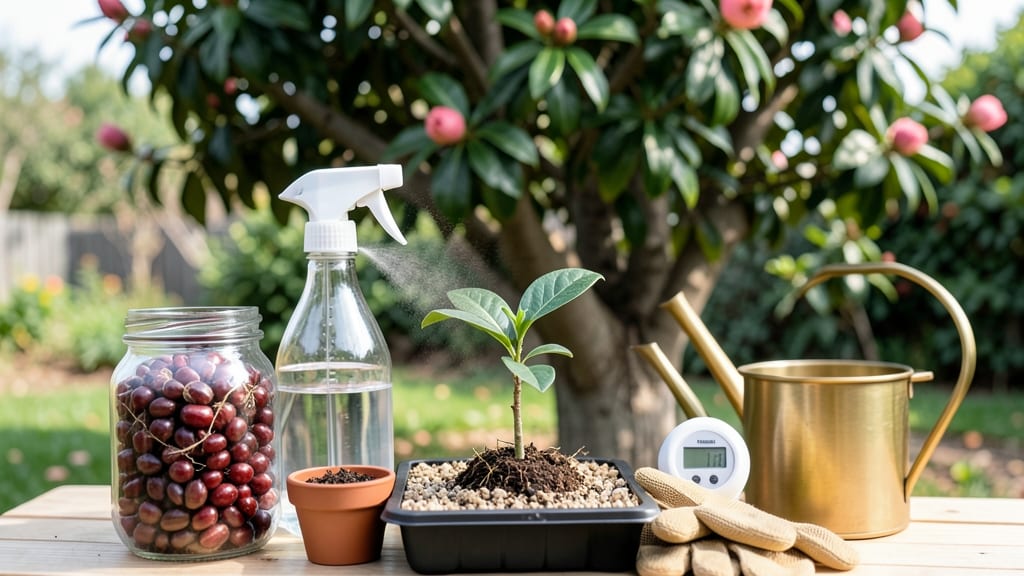
Growing a pomegranate tree from a single seed means you'll have a thriving fruit producer in 3-5 years—no nursery trip required. 🌱 The process starts with a seed from your grocery store fruit, but don't expect instant results: patience is the key to those jewel-toned arils you crave.
I've grown mine from seed twice, and while it takes time, there's nothing like watching the first pink blooms appear after winter.
You'll need well-draining soil, a sunny spot with at least 6-8 hours of light daily, and a pot or garden bed that won't waterlog the roots. Pomegranates love heat but can handle light frosts once established—though young plants need winter protection.
The first year is all about root growth, so keep the soil consistently moist but never soggy. That first flush of true leaves signals you're on the right track.
By year three, you'll start seeing those iconic red flowers, and with proper pruning (focus on removing crossing branches), you'll encourage a sturdy structure that supports heavy fruit. The real payoff comes in 4-5 years when your tree produces its first harvest—each fruit packed with seeds ready to share.
The flavor? Sweeter than store-bought, with a crunch that's pure satisfaction.
Works in zones 7-11, but container growing extends the range for cooler climates. The biggest mistake? Overwatering young plants—pomegranates hate wet feet. Here's where it gets interesting: these trees fruit on new growth, so late-summer pruning boosts next year's crop. Ready to start with that seed?
📚 In This Guide
- What you need
- Instructions
- Tips and common mistakes
- Wrapping up and next steps
What you need
- ● Pomegranate seeds: 3–5 fresh, plump seeds (harvested from a ripe pomegranate). Pro tip: 💡 Soak seeds in water for 24 hours to soften the outer coating and speed up germination!
- ● Seed-starting mix: 1–2 cups of well-draining, sterile potting soil (or a mix of 50% peat moss and 50% perlite). Avoid garden soil—it can harbor pests or diseases.
- ○ Small pots or seed trays: 2–4 biodegradable pots (3–4 inches in diameter) or a seed tray with drainage holes. Optional: Use plastic cups with drainage holes if pots aren’t available.
- ● Drainage trays or saucers: To catch excess water and prevent root rot.
- ● Spray bottle: For gentle watering without disturbing seeds.
- ● Plastic wrap or clear lid: To create a mini greenhouse effect and retain humidity.
- ○ Grow lights or sunny windowsill: A warm, bright spot (70–80°F) is ideal. Optional: A heat mat (75–85°F) can boost germination speed.
- ○ Fertilizer: A balanced, water-soluble fertilizer (5-5-5 or 10-10-10) for seedlings. Optional: Start with a diluted dose (½ strength) after 4–6 weeks.
- ● Pruning shears: Small, sharp scissors for trimming seedlings later.
- ● Patience: Germination can take 4–12 weeks—don’t rush it! 🌱
- ● Climate: Pomegranates thrive in USDA Zones 7–11. If you’re in a cooler zone, grow in containers and bring indoors during winter.
- ● Time commitment: Seedlings need consistent care for the first 1–2 years before fruiting.
- ● Space: Mature trees can grow 10–15 feet tall—plan for outdoor planting or large containers.
Step-by-Step instructions for growing a pomegranate tree from seed
Here's how I turn a single seed into a thriving pomegranate tree over several seasons.
🌱 Step 1: Prepare and Plant the Seed
Start by soaking 4 pomegranate seeds in warm water for 24 hours—this softens the hard outer shell and speeds up germination. After soaking, place them between two damp paper towels and fold them into a small bundle. Keep the towels in a sealed plastic bag to maintain moisture and warmth.
Store the bag in a warm spot, like on top of your refrigerator or near a sunny window. You'll see tiny roots and a sprout within 7-14 days. Once the sprout reaches about 1 inch tall, it's ready for its first pot. I use a small 4-inch pot filled with a mix of 50% potting soil and 50% perlite to ensure good drainage.
☀️ Step 2: Provide Ideal Light and Temperature
Place the potted seedling in a location with bright, indirect light—think east-facing window or under a grow light. Pomegranate seedlings need 6-8 hours of light daily, but direct midday sun can scorch tender leaves. You'll notice the leaves turning a vibrant green and growing more upright when the light is just right.
Keep the soil consistently moist but not soggy. Stick your finger 1 inch deep into the soil—if it feels dry, water gently until moisture reaches the bottom of the pot. Maintain temperatures between 65-75°F during the day and no lower than 50°F at night. If your home gets chilly, a heat mat can help keep the roots warm.
🪴 Step 3: Transplant and Encourage Strong Growth
After 4-6 weeks, when the seedling has 3-4 sets of true leaves, it's time to transplant into a slightly larger 6-inch pot. Use the same soil mix to avoid shocking the roots. Gently remove the seedling from its current pot, loosen the root ball, and place it in the center of the new pot. Fill around the roots with fresh soil and press lightly to secure the plant.
This is also the time to start fertilizing. Use a balanced, water-soluble fertilizer diluted to half strength once a month. You'll see stronger, darker green leaves and faster growth as the plant adjusts to its new home. Pinch back the tips of the new growth to encourage bushier development—this prevents the seedling from growing too tall and leggy.
⏰ Step 4: Transition to Outdoor Conditions
Once the weather warms up and there’s no risk of frost, move the pomegranate seedling outside for a few hours a day to acclimate. Start with a shaded spot and gradually increase exposure to full sun over 2-3 weeks. You'll know it’s ready for full-time outdoor living when it shows no signs of stress—no wilting, yellowing, or drooping leaves.
Plant it in a large container or in-ground location with well-draining soil. Pomegranates thrive in full sun and dry, rocky soil, so mimic these conditions as closely as possible. Water deeply but infrequently—overwatering is the fastest way to kill a young pomegranate tree. Once established, it can handle drought-like conditions, but young plants need consistent moisture to root well.
🌿 Step 5: Prune and Care for Fruit Production
As your pomegranate tree matures, focus on pruning to shape it and encourage fruit production. In late winter or early spring, remove any dead, diseased, or crossing branches. Aim to keep the tree open and airy, which improves airflow and reduces the risk of fungal diseases. You'll see new growth sprout from the pruned areas, signaling that the tree is healing and preparing for the growing season.
Pomegranates are slow to fruit from seed—it can take 5-7 years before you see your first fruit. During this time, continue fertilizing in early spring with a low-nitrogen, high-phosphorus fertilizer to promote flowering. Be patient and consistent with care, and you'll eventually be rewarded with beautiful, juicy pomegranates straight from your own tree.
Tips & tricks for growing a pomegranate tree from seed
Here's what I learned the hard way after watching my first seedlings struggle—these tricks make all the difference for long-term success.
Germination Hack: Don't rush the 24-hour soak—this isn't just about speed, it's about breaking down the seed's protective layers. I've found that using lukewarm water (around 85°F) works better than hot water, which can cook the seed. After soaking, gently rub the seeds between your fingers to help crack the shell just enough for roots to emerge. This simple step can cut your germination time by nearly half.
Light Management: The 6-8 hours of bright, indirect light in Step 2 is non-negotiable, but here's the secret: rotate your seedling quarter-turn daily so all sides get equal light exposure. You'll notice leaves growing more uniformly instead of stretching toward one light source. For indoor growers, a simple timer-controlled LED grow light on a 12-hour cycle works wonders during winter months when natural light is scarce.
Transplant Timing: Waiting for 3-4 sets of true leaves before transplanting in Step 3 ensures your seedling has developed enough energy reserves to handle the stress. I've learned to check for small white roots growing from the bottom of the pot—this is your clear sign it's ready. When repotting, water the seedling first to reduce transplant shock, then handle the roots gently to avoid breaking them.
Hardening Off: The 2-3 week outdoor acclimation in Step 4 is where most beginners fail. Start with just 1 hour of shade exposure on day one, then gradually increase by 30 minutes each day. Watch for tiny white spots on leaves—this is called "hardening stress" and is completely normal. If you see wilting, bring it back inside immediately and try again the next day with shorter exposure times.
Pro Tips for Pomegranate From Seed To Fruit
- Here's what I learned the hard way after watching my first seedlings struggle—these tricks make all the difference fo...
- Germination Hack: Don't rush the 24-hour soak—this isn't just about speed, it's about breaking down the seed's protec...
- Light Management: The 6-8 hours of bright, indirect light in Step 2 is non-negotiable, but here's the secret: rotate ...
Frequently asked questions
Got questions about growing pomegranates from seed? You’re not alone! Here are some of the most common queries—and their answers—to help you grow a thriving tree from scratch.
How long does it take for a pomegranate seed to sprout?
A pomegranate seed typically sprouts within 10–21 days if kept warm (70–80°F) and moist. Patience is key—some seeds may take up to a month! Use a humidity dome or plastic wrap to speed up germination. Once sprouted, keep the soil consistently damp but not soggy.
When will my pomegranate tree produce fruit?
Pomegranate trees grown from seed are slow to bear fruit—expect your first harvest in 5–10 years! Grafted trees (from nurseries) fruit faster (3–5 years), but seed-grown trees develop hardier roots. Prune regularly to encourage growth and fruit production.
What’s the best temperature for growing pomegranates?
Pomegranates thrive in USDA Zones 7–11, with ideal temperatures between 60–90°F. Young seedlings need warmth (70°F+) to germinate, while mature trees tolerate brief cold snaps (down to 15°F). In colder climates, grow them in containers and overwinter indoors.
Can I grow a pomegranate tree indoors?
Yes! Start seedlings indoors near a south-facing window or under grow lights. Once established, move them outdoors during warm months. Use a large pot (15+ gallons) with drainage holes, and fertilize lightly every 2–3 months. Just know—indoor trees may fruit later or less abundantly.
Why aren’t my pomegranate leaves turning green?
Yellow or pale leaves often signal nutrient deficiencies (like nitrogen or iron) or overwatering. Test soil pH (ideal: 6.0–7.0) and amend with compost. Check for pests (aphids, spider mites) and treat with neem oil if needed. Ensure 6+ hours of sunlight daily—shady spots stunt growth.
Wrapping up and next steps
Growing a pomegranate tree from seed is a rewarding journey that blends patience, care, and a touch of magic! 🌱 From sprouting a tiny seed to harvesting vibrant fruit, you’ve unlocked the potential of year-round growth—proving that nature’s wonders start with a single step.
Now that you’re armed with the know-how, why not plant that seed today? Share your progress with fellow gardeners, experiment with varieties, or even gift a sapling to inspire others. The sweetest reward? Watching your own pomegranate tree thrive and flourish! 🍇✨