
Lawn
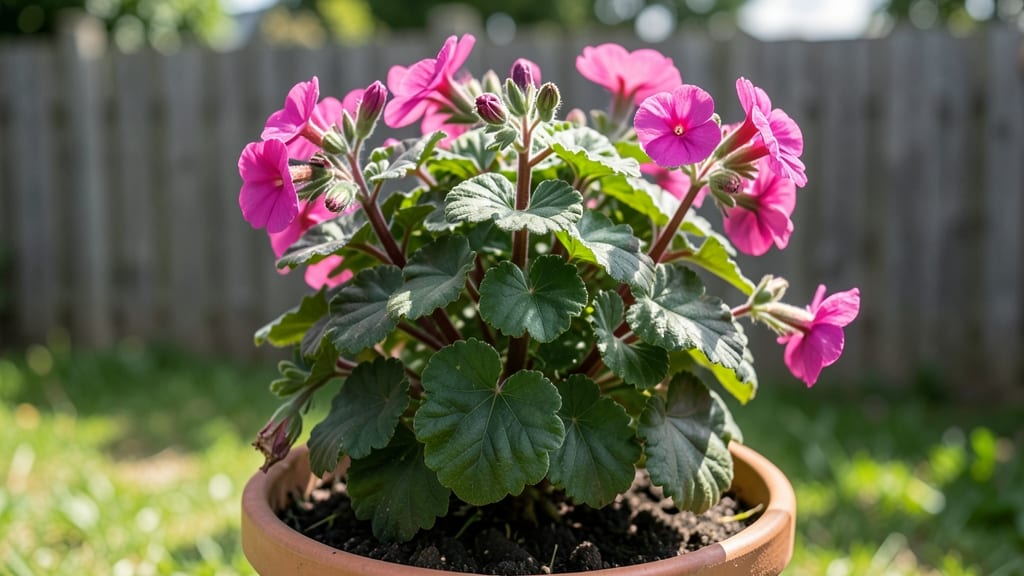
Cracking the code for seed geranium care means year-round blooms—no more sad, leggy plants that twist into themselves. 🌸 I’ve grown geraniums from seed for years, and the secret isn’t fancy tricks; it’s matching their needs to what they crave: bright light, well-draining soil, and just enough water to keep them happy without drowning them.
The first 8 weeks are critical—germination happens fast, but seedlings need warmth and patience. Too much moisture? Root rot. Too little? Stunted growth.
I’ve lost count of how many times I’ve overwatered these little guys, but now I’ve perfected a routine that keeps them thriving from the moment they sprout until they’re covered in blooms by spring.
By summer, your geraniums will be bursting with color, and with proper pruning, they’ll keep flowering well into fall.
The key is deadheading spent blooms and pinching back leggy stems—it sounds simple, but it’s the difference between a plant that looks like it’s giving up and one that’s ready to take over your garden.
Works for both indoor starts and outdoor beds, and once you master this, you’ll never buy geraniums again. Let’s get those seeds growing!
📚 In This Guide
- What you need
- Instructions
- Tips and common mistakes
- Wrapping up and next steps
What you need
- ● Seed geranium seeds – Choose Pelargonium varieties like Zonal or Ivy-leaf for best results. Buy 1 packet (50-100 seeds) to start.
- ● Seed-starting mix – A lightweight, sterile potting mix (e.g., Pro-Mix or coco coir blend) to prevent damping-off. 1 small bag (8-12 qt) is perfect.
- ● Seed trays or small pots – Use biodegradable pots (3-4 inches deep) or cell trays (50+ cells) for easy transplanting.
- ● Grow lights or sunny windowsill – Seedlings need 12-16 hours of light daily. A LED grow light (10W-20W) works wonders if natural light is limited.
- ● Spray bottle – For gentle watering to keep seeds moist without disturbing them.
- ● Plastic wrap or humidity dome – Keeps humidity high (70-80% RH) until germination. A clear plastic bag or humidity lid suffices.
- ● Small hand trowel – For lightly pressing seeds into soil (¼ inch deep).
- ● Fertilizer (balanced or seed-starting formula) – 5-10-5 or 10-10-10 NPK ratio at ½-strength once true leaves appear.
- ● Pruning shears – To pinch back leggy seedlings and encourage bushiness.
- ○ Mulch (optional) – Straw or shredded leaves to retain moisture in outdoor plantings.
- ○ pH test kit (optional) – Ensures soil pH is 6.0-7.0 (geraniums thrive in slightly acidic to neutral soil).
- ○ Support stakes (optional) – For Ivy-leaf varieties, use 3-4 ft bamboo stakes to train vines.
Step-by-step instructions for growing geraniums from seed
Here's my foolproof method for nurturing delicate geranium seedlings into vibrant, long-blooming plants.
🌱 Step 1: Start Seeds Indoors for Strong Stems
Sow geranium seeds in small seed trays filled with sterile seed-starting mix. Press them just below the surface—geranium seeds need light to germinate, so don't bury them. I use a fine mist spray bottle to dampen the soil until it feels like a wrung-out sponge, then cover the tray with plastic wrap to trap warmth and humidity.
Place the tray on a seedling heat mat set to 70-75°F—geraniums germinate best with bottom heat. You'll see tiny sprouts in 10-14 days, but don't be surprised if some take up to 3 weeks. The moment you spot the first true leaves (not the initial seed leaves), remove the plastic wrap immediately to prevent damping-off.
☀️ Step 2: Provide Bright, Indirect Light
Geranium seedlings need 12-14 hours of light daily to prevent leggy growth. A south-facing window works, but I supplement with a grow light positioned 3-4 inches above the seedlings. Keep the light on a timer to maintain consistent daylight hours—geraniums grow best with predictable light cycles.
Rotate the tray a quarter turn daily so seedlings don't stretch toward one light source. You'll notice strong, compact growth when stems are thick and dark green rather than pale and spindly. If leaves look yellow or stems bend easily, they need more light.
💧 Step 3: Water Gently and Fertilize Lightly
Water from the bottom by placing the tray in ½ inch of water for 10-15 minutes—this encourages deep root growth. Let the seedlings sit in the water until the top of the soil feels damp, then remove and drain excess. Geraniums hate soggy roots, so always let the top inch of soil dry out between waterings.
Once seedlings have 2-3 sets of true leaves, start fertilizing with a diluted liquid fertilizer (half-strength) every 2 weeks. I use a balanced 10-10-10 formula, but geraniums tolerate a slightly higher phosphorus feed (like 5-10-5) to encourage blooms. Avoid over-fertilizing—yellowing leaves or stunted growth means you're feeding too much.
⏰ Step 4: Harden Off and Transplant Outdoors
Two weeks before your last frost date, begin hardening off seedlings by placing them outside in a sheltered spot for 1 hour daily. Gradually increase their outdoor time over 7-10 days, moving them to sunnier locations each day. Geraniums are frost-sensitive, so wait until soil temperatures stay above 50°F at night before transplanting.
Choose a sunny spot with well-draining soil—geraniums despise soggy conditions. Space seedlings 10-12 inches apart and water deeply at the base to encourage root establishment. Mulch lightly with 1 inch of organic mulch to retain moisture and suppress weeds, but keep it 2 inches away from stems to prevent rot.
🌿 Step 5: Maintain Blooms Year-Round
Deadhead spent blooms regularly by pinching off flowers just above the next set of leaves. This encourages continuous flowering and prevents seed pods from forming, which can drain the plant's energy. I also trim back leggy stems by ⅓ of their length in early summer to promote bushier growth.
Geraniums thrive in full sun to partial shade, but in hot climates, afternoon shade prevents leaf scorch. Water when the top 1-2 inches of soil feel dry, and fertilize monthly during the growing season. In winter, reduce watering and stop fertilizing—geraniums go semi-dormant in cooler months but bounce back quickly with spring warmth.
Tips & tricks for perfect seed geranium care
These simple strategies will help you avoid common pitfalls and grow geraniums that bloom beautifully all year.
Heat Mat Hack: If you don't have a seedling heat mat, place your seed tray on top of your refrigerator (not inside) for consistent bottom warmth. Geranium seeds need that 70-75°F environment to germinate reliably. I've even used a heated mouse pad under trays in a pinch—just monitor soil moisture closely since heat can dry things out faster.
Lighting Secret: For the 12-14 hours of daily light, I recommend setting your grow light on a timer rather than relying on memory. Geranium seedlings grow best with predictable light cycles—skipping even an hour can cause leggy, weak stems. If you notice seedlings stretching toward the light, they're begging for more intensity.
Watering Wisdom: When watering from the bottom for 10-15 minutes, use room-temperature water to avoid shocking the roots. I fill a shallow tray with water and let the seedlings soak up what they need, then drain completely. The key is that top inch of soil should dry out between waterings—geraniums hate soggy roots but also can't handle drought stress.
Transplant Timing: For the 1-hour daily hardening off period, I start with morning sun and bring seedlings back inside by noon. This gradual transition prevents shock. Watch for soil temperatures—geraniums won't tolerate frost, so wait until nighttime temps stay above 50°F before permanent outdoor planting.
Pro Tips for Seed Geranium Care
- These simple strategies will help you avoid common pitfalls and grow geraniums that bloom beautifully all year.
- Heat Mat Hack: If you don't have a seedling heat mat, place your seed tray on top of your refrigerator (not inside) for consistent bottom warmth.
- Lighting Secret: For the 12-14 hours of daily light, I recommend setting your grow light on a timer rather than relying on memory.
Frequently asked questions
Got questions about keeping your seed geraniums thriving? You’re not alone—these vibrant plants can be tricky for new gardeners! Here are answers to the most common seed geranium care queries to help you avoid common pitfalls and enjoy blooms all year.
How often should I water seed geraniums?
Water seed geraniums when the top inch of soil feels dry—usually every 2–3 days in summer or weekly in cooler months. Overwatering is the #1 killer, so ensure pots have drainage holes and avoid soggy soil. Pro tip: Morning watering prevents fungal issues like powdery mildew.
When is the best time to plant seed geraniums?
Start seeds indoors 8–10 weeks before your last frost date (typically March–April in most zones). For direct sowing, wait until after the last frost when soil temps hit 55°F+. Seed geraniums are frost-sensitive, so never plant them in cold soil!
Why are my geranium leaves turning yellow or dropping?
Yellow leaves usually signal overwatering or nutrient deficiency. Check for:
- Root rot: Brown, mushy roots? Let soil dry out and repot in fresh mix.
- Nitrogen deficiency: Feed with a balanced 10-10-10 fertilizer every 4–6 weeks.
- Pests: Spider mites or aphids? Spray with neem oil or insecticidal soap.
Can I grow seed geraniums in containers all year?
Yes! With the right care, container geraniums thrive year-round. Move pots indoors near a sunny window (or use grow lights) in winter, and reduce watering. Winter tip: Prune leggy stems by ⅓ to encourage bushier growth.
How do I keep seed geraniums blooming nonstop?
Deadhead spent blooms weekly to encourage new flowers. Also:
- Fertilize lightly every 2 weeks with a low-phosphorus bloom booster (like 5-10-5).
- Rotate pots for even sun exposure (geraniums love 6+ hours of direct light).
- Avoid crowding—thin seedlings to 6 inches apart for better airflow.
What’s the difference between seed geraniums and cuttings?
Seed geraniums are annuals that must be replanted yearly, while cuttings (from mature plants) can be propagated for perennial growth. Cuttings root faster and retain parent plant traits, but seeds offer more variety!
Wrapping up and next steps
Caring for seed geraniums is simpler than you think—and the reward? vibrant, year-round blooms that’ll make your garden the talk of the neighborhood! 🌸 With the right soil, sunlight, and a sprinkle of patience, you’ll master their care in no time.
Now that you’ve got the zero-twist pod secrets, why not expand your green thumb? Try propagating a few cuttings or mixing in complementary flowers for a showstopping display.
Ready to level up your garden game? Grab your tools, get planting, and enjoy the beauty of these resilient bloomers! 🌱