
Propagation
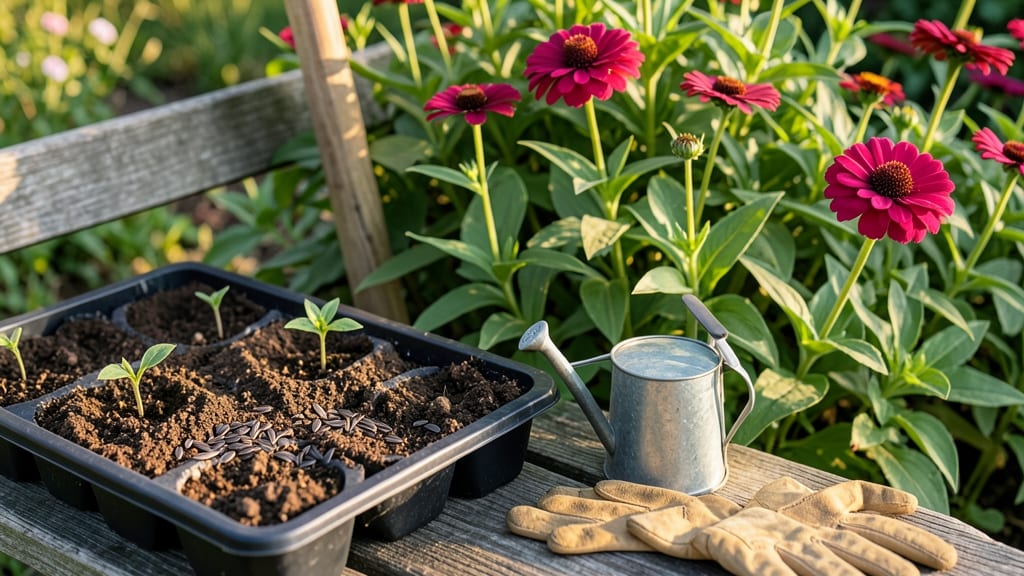
Growing zinnias from seed to bloom means 60 days of vibrant color that outshines any store-bought bouquet. 🌸 I remember my first zinnias popping through the soil—bright orange bursts that made my whole yard feel like summer had arrived early.
The secret isn't complicated: it's about timing, sunlight, and a little patience that pays off in waves of blooms.
You'll need well-draining soil, a sunny spot with at least 6 hours of direct light daily, and consistent moisture (not soggy). Start seeds indoors 4-6 weeks before your last frost, or sow directly outside once temperatures stay above 50°F.
The key is keeping seedlings warm and protected until they're strong enough to handle outdoor conditions. Most varieties reach full bloom in 60-70 days, but some dwarf types can flower even faster.
By mid-summer, you'll have a garden teeming with zinnias in every color imaginable—reds that glow like sunset, yellows that brighten up rainy days, and purples that attract butterflies by the dozen.
The more you deadhead spent blooms, the more flowers you'll encourage, turning your garden into a nonstop show. Even my black thumb can't kill these tough, cheerful plants.
Works for containers, borders, or cutting gardens—just adjust spacing based on variety. Here's how to make it happen without the usual seedling struggles.
📚 In This Guide
- What you need
- Instructions
- Tips and common mistakes
- Wrapping up and next steps
What you need
- ● Zinnia seeds: Choose a variety (e.g., Profusion Series, Benary’s Giant, or Crystal Series). Buy 10–20 seeds for a small garden or 50+ for a full bed.
- ● Seed-starting mix: A lightweight, sterile potting mix (1–2 bags, ~1–2 cubic feet each). Avoid garden soil—it’s too dense!
- ● Containers: Seed trays or small pots (2–4 inches deep) with drainage holes—6–12 per tray for spacing.
- ● OR biodegradable seed starter pellets (10–20 pellets).
- ● Grow lights or sunny windowsill: A full-spectrum LED grow light (12–16 hours/day) or a south-facing window (6+ hours of sunlight).
- ● Watering can or spray bottle: With a fine mist nozzle for gentle watering.
- ● Plant labels: Small stakes or markers to track varieties (e.g., 10–20 labels).
- ○ Seedling heat mat: (Optional) Keeps soil warm (70–75°F) for faster germination.
- ● Humidity dome or plastic wrap: Retains moisture while seeds sprout.
- ● Fertilizer: Balanced liquid fertilizer (e.g., 10-10-10) or slow-release granules for transplanting.
- ● Tweezers or pencil: For gently pressing seeds into soil.
- ● Garden gloves: To protect hands from soil and thorns (some varieties have them!).
Step-by-step guide to growing zinnias from seed to full bloom
Here's how I turn tiny zinnias seeds into a riot of color—fast and with minimal fuss.
🌱 Step 1: Start Seeds Indoors at the Right Time
Zinnias thrive on warmth, so I begin seeds indoors 4-6 weeks before the last frost date. Use biodegradable seedling pots (or small plastic cells) filled with sterile seed-starting mix—never garden soil, as it compacts too easily. Fill each cell ¾ full, then press the mix down gently to remove air pockets.
Plant 2-3 seeds per cell at a depth of ¼ inch, just below the surface. Cover lightly with a fine sprinkle of mix—don’t bury them deeper, or germination slows dramatically. Mist the surface with water until evenly moist, then place the tray on a seedling heat mat set to 75-80°F. This warmth triggers germination in 5-10 days—watch for tiny green shoots breaking through the soil.
☀️ Step 2: Provide Light and Prevent Leggy Growth
The instant those first true leaves appear (not the initial cotyledons), move seedlings under 14-16 hours of bright light daily. A grow light hung 2-3 inches above the plants works best—a south-facing window alone won’t cut it. You’ll spot leggy growth (thin, stretched stems) if the light is too weak or distant. Adjust the light immediately to 1-2 inches above the tallest seedling to keep them stocky.
Water from the bottom by placing the tray in ½ inch of water for 10 minutes, then drain excess. This method prevents fungal diseases that thrive in damp foliage. After 2 weeks, fertilize lightly with a balanced liquid fertilizer (5-5-5) diluted to half strength—zinnias respond well to a gentle nutrient boost at this stage.
🪴 Step 3: Harden Off and Transplant Outdoors
When nighttime temperatures stay above 50°F and seedlings have 3-4 true leaves, it’s time to transplant. Begin hardening off by placing them outdoors in a sheltered spot for 1-2 hours the first day, gradually increasing exposure over 7-10 days. This prepares them for the garden’s temperature swings and wind.
Choose a sunny location with full sun (6+ hours daily) and well-draining soil. Space seedlings 8-12 inches apart—zinnias need room to grow bushy and sturdy. Transplant in the late afternoon to reduce stress, and water deeply at the base to settle the soil. Mulch with 1-2 inches of straw to retain moisture and suppress weeds.
💧 Step 4: Water and Fertilize for Continuous Blooms
Zinnias are drought-tolerant once established, but they reward consistent moisture during their first 2-3 weeks in the ground. Water deeply 1-2 times per week, aiming for 1 inch of water per week. Let the soil dry slightly between waterings—soggy roots lead to rot, while wilting stems signal underwatering. You’ll notice the plants perk up within hours of a good soak.
Feed with a low-nitrogen fertilizer (like 5-10-10) every 4-6 weeks to encourage blooms over foliage. Deadhead spent flowers by pinching off the faded blooms just above a set of leaves—this triggers more flowers and prolongs the season. I do this every 2-3 days during peak bloom, and the plants reward me with nonstop color.
✂️ Step 5: Extend the Season with Strategic Pruning
To keep zinnias blooming until frost, cut back leggy stems by ⅓ their height in early summer. This pruning encourages bushier growth and fresh flowers. You’ll see new shoots emerge within 7-10 days, and the plants will fill out more densely. For late-season blooms, I often sow a second round of seeds in late July—these varieties bloom quickly and add color right up to frost.
Watch for powdery mildew in humid climates, especially on crowded plants. Space them properly and water at the base to keep foliage dry. If mildew appears, spray with a baking soda solution (1 tsp baking soda + 1 quart water + a drop of dish soap) every 7-10 days until it clears. With these steps, your zinnias will keep you in blooms from early summer to fall’s first frost.
Tips & tricks for growing stunning zinnias from seed
These small details make the difference between average zinnias and showstopping blooms that last all season.
Germination Conditions: The 75-80°F heat mat is non-negotiable for speedy germination. If you don't have one, place your seed tray on top of your refrigerator (most fridges maintain this temperature) or use a warm spot near your kitchen light. I've seen germination drop from 5-10 days to just 3-5 days with this simple adjustment. The key is consistent warmth—fluctuations delay sprouting dramatically.
Lighting Strategy: For those 14-16 hours of light, I recommend using a full-spectrum LED grow light on a timer. Position it just 1-2 inches above the seedlings and adjust as they grow. Natural light alone won't cut it—zinnias need intense light to prevent leggy growth. If you notice stems stretching toward the light source, immediately lower the light or increase the light duration by 1-2 hours. This keeps your plants compact and strong from the start.
Transplanting Timing: The 50°F nighttime temperature threshold is crucial—don't rush this step! I've transplanted too early and watched my seedlings wilt overnight. Start hardening off when nights consistently stay above 50°F, and be patient with the 7-10 day process. The gradual exposure prevents transplant shock that can set your progress back weeks. You'll know you're ready when seedlings look plump and vibrant after their outdoor sessions.
Season Extension Hack: That late July second planting is my secret weapon for fall color. Choose heat-tolerant varieties like 'Benary's Giant' or 'Profusion' for your second round—they handle summer heat better than most. I've had zinnias blooming right up to my first frost date (often November) using this technique. Just remember to space them properly from your first planting to avoid crowding and disease.
Pro Tips for Zinnias From Seed To Bloom
- These small details make the difference between average zinnias and showstopping blooms that last all season.
- Germination Conditions: The 75-80°F heat mat is non-negotiable for speedy germination.
- Lighting Strategy: For those 14-16 hours of light, I recommend using a full-spectrum LED grow light on a timer.
Frequently asked questions
Got questions about growing zinnias from seed to bloom? You’re not alone! Here are answers to the most common queries—whether you’re a beginner or just looking for a quick tip.
How long does it take for zinnia seeds to germinate?
Zinnia seeds typically sprout in 7–14 days after planting, depending on temperature and moisture. Keep soil consistently moist (not soggy) and warm (around 70°F) to speed up germination. If you’re impatient, try a heat mat—it can cut germination time by half!
Why aren’t my zinnia seeds sprouting after 2 weeks?
If seeds haven’t germinated after 2–3 weeks, check these fixes:
- Temperature: Zinnias need warmth to sprout—try moving trays to a sunnier spot or use a seedling heat mat.
- Moisture: Dry soil can stall germination. Mist seeds daily or cover with damp paper towels (keep them moist, not drenched).
- Fresh seeds: Old seeds (over 1 year) may lose viability. Test a few in a damp paper towel—if they don’t sprout in 7–10 days, they’re likely dead.
Can I plant zinnia seeds directly in the garden, or should I start indoors?
Both work! For faster blooms, start seeds indoors 4–6 weeks before the last frost (they thrive in warmth). For a low-maintenance approach, direct-sow after soil temps hit 50°F+—zinnias are tough and handle transplanting well. Just thin seedlings to 12–18 inches apart for optimal airflow and blooms.
What pests or diseases should I watch for with zinnias?
Zinnias are generally pest-resistant, but keep an eye out for:
- Aphids or spider mites: Spray with water or neem oil if you spot tiny bugs on leaves.
- Powdery mildew: Avoid overhead watering and ensure good airflow. Fungicides (like baking soda spray) help if it appears.
- Japanese beetles: Handpick them early in the day or use row covers.
Deadhead spent blooms to prevent disease and encourage more flowers!
How do I get zinnias to rebloom after the first flush of flowers?
Zinnias are self-cleaning—deadheading (snipping spent blooms) triggers more flowers! Cut back stems to just above a set of leaves, and fertilize lightly with a balanced 10-10-10 mix every 3–4 weeks. Pinch back leggy plants in early spring to encourage bushier growth. With consistent care, you’ll enjoy blooms all summer long!
Wrapping up and next steps
Growing zinnias from seed to bloom is a rewarding journey that brings vibrant color and joy to your garden in just 60 days! With the right soil, sunlight, and care, these cheerful flowers thrive effortlessly—even for beginners.
Whether you’re adding them to borders, cutting gardens, or containers, their resilience and beauty make them a must-have.
Ready to dive in? Start with seeds today and watch your garden transform into a burst of blooms! 🌸 For extra inspiration, explore zinnia varieties or share your progress with fellow gardeners—your green thumb is about to shine!