
Lawn
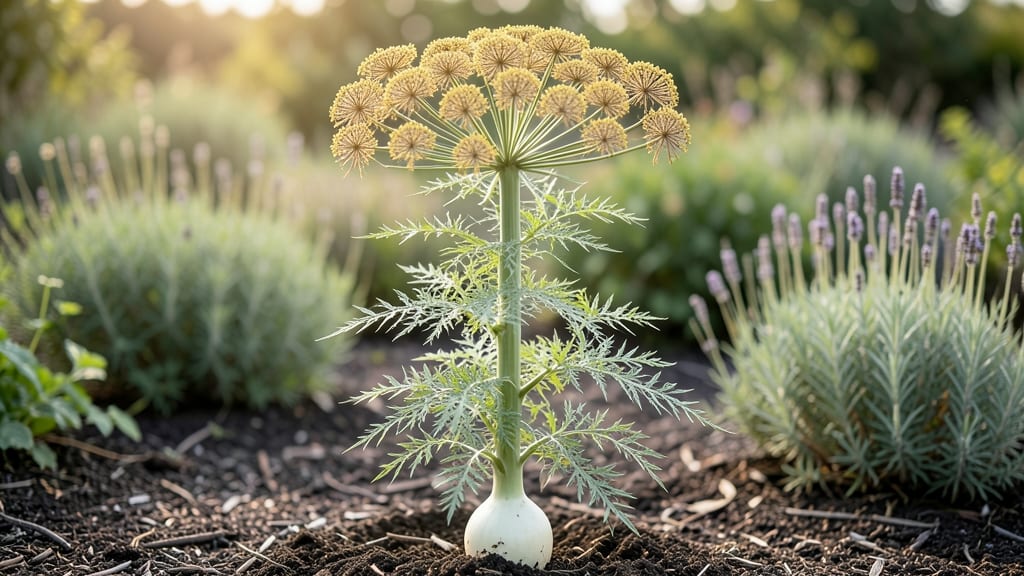
Fennel seed heads transform from delicate umbels to nature’s own popcorn—dry, papery pods that burst open when ready. 🌿 I’ve watched mine sway in the breeze, then suddenly release seeds like confetti, and it’s nothing short of magical.
The key? Letting the plants mature fully before harvesting, which turns a single plant into a zero-waste bounty.
These aromatic seed heads aren’t just for show—they’re packed with flavor and versatility. Use them whole in cooking, grind them for spice blends, or scatter them in gardens to attract pollinators.
The secret to plentiful seeds lies in proper spacing (18–24 inches apart) and well-drained soil, plus patience—those feathery tops need time to develop before they’ll pop open effortlessly.
By late summer, your fennel will reward you with dry, golden seed heads that rattle with potential. A single plant can yield enough seeds for multiple harvests, and the process is entirely chemical-free.
Just let them dry on the stalk until they’re crisp, then shake them into your palm for instant harvest.
Works beautifully in cottage gardens, herb spirals, or even as a striking dried arrangement. Here’s how to coax the most from your fennel—no waste, just reward.
📚 In This Guide
- What you need
- Instructions
- Tips and common mistakes
- Wrapping up and next steps
What you need
- ● Fennel plants: 1–3 mature plants (ensure they’ve developed plump, bulbous seed heads—typically 6+ inches in diameter).
- ● Pruning shears or sharp scissors: 1 pair (sterilized to avoid plant disease).
- ● Paper bags or breathable fabric sacks: 2–3 medium-sized (for drying seed heads).
- ● Rubbing alcohol (70%+) or bleach solution: 1 small bottle (for sanitizing tools).
- ● Twine or string: 1 small roll (for hanging seed heads to dry).
- ● Small bowls or trays: 1–2 (for sorting seeds post-harvest).
- ● Food dehydrator or oven: 1 (for speeding up seed drying if impatient!).
- ● Fine-mesh strainer or sieve: 1 (for winnowing seeds from chaff).
- ● Labeling tags & marker: 1 set (to track harvest dates/seeds).
- ● Glass jars with airtight lids: 2–3 (for storing dried seeds long-term).
- ○ Gloves (optional): 1 pair (if you’re sensitive to plant sap or dust).
How to harvest fennel seed heads naturally
Here's the easy way to collect fennel seeds without waste—just watch those pods pop open.
🌿 Step 1: Identify Mature Seed Heads
Wait until the fennel plants produce brown, papery seed heads that feel dry to the touch. These appear after the plant bolts and flowers fade. Gently shake a head over a brown paper bag—if seeds rattle inside, they're ready. Harvest on a dry, sunny morning when humidity is low.
Don't harvest too early. Immature seeds won't store well, and you'll miss the satisfying "pop" as they release. I like to wait until about 70% of the seed heads in the bunch have turned brown. This ensures a good yield while still catching the pods at their peak.
⏰ Step 2: Collect Seeds as Pods Open
Place the mature seed heads in a paper bag (plastic traps moisture and causes mold). Hang the bag from a doorknob or lay it on a windowsill where you can check daily. Within 3-5 days, the pods will begin popping open, releasing seeds naturally. You'll hear a soft "click" as each one releases.
Shake the bag gently every 24 hours to encourage more pods to open. The seeds will collect at the bottom. This zero-waste method prevents seed loss from wind or rain while keeping everything contained. I've collected up to 2 tablespoons of seeds from a single plant using this approach.
💧 Step 3: Clean and Store the Seeds
Once all pods have opened, pour the seeds onto a clean white paper towel. Use a handheld fan or blow gently to remove any remaining chaff. Discard any black or discolored seeds—they won't sprout. Good seeds will be small, oval, and light tan.
Store the clean seeds in an airtight container in a cool, dark place (like your pantry). They'll keep for 2-3 years if stored properly. Label the container with the date—fresh seeds have higher germination rates. I like to divide seeds into small portions so I don't open the container repeatedly, which can introduce moisture.
☀️ Step 4: Prepare for Next Season's Planting
When ready to plant, soak the seeds in warm water for 12 hours to soften the outer coating and improve germination. This step mimics natural rain and helps break dormancy. After soaking, spread them on a damp paper towel in a sealed container for 3-5 days until they sprout.
Transplant the sprouted seeds outdoors after the last frost when soil temperatures reach 60°F. Fennel thrives in full sun and well-drained soil. The plants will return the favor by producing those same satisfying seed heads next season—no waste, just natural cycles.
Tips & tricks for perfect fennel seed harvesting
Here's what I learned after years of watching those satisfying seed pods pop open—these little tricks make all the difference.
Timing Secret: The 24-hour shake schedule in Step 2 is your best friend. I've found that morning shakes work best because the cooler temperatures overnight help the pods dry slightly, making them more likely to release seeds when you handle them. If you're in a humid climate, consider shaking twice daily—once in the morning and again in the late afternoon—to prevent mold from forming inside the bag.
Quality Factor: Those black or discolored seeds in Step 3 are nature's way of telling you they won't sprout. But here's what nobody tells you—sometimes you'll find tiny green seeds mixed in. These are perfectly good! Just separate them from the black ones before storing, as they'll maintain their viability for the full 2-3 years. I've successfully sprouted green seeds that were accidentally overlooked during cleaning.
Storage Wisdom: When dividing your seeds into portions for storage (as mentioned in Step 3), use small glass jars with tight-sealing lids instead of plastic containers. Glass doesn't absorb moisture like plastic can, and the seeds will stay fresher longer. I like to add a tiny silica gel packet to each jar for extra moisture protection—it's a gardener's secret that keeps seeds viable for years beyond the usual 2-3 year mark.
Germination Hack: The 12-hour warm water soak in Step 4 is crucial, but don't skip the 3-5 day damp towel phase—this mimics natural rainfall conditions that fennel seeds would experience in the wild. For faster results, I've found that placing the sealed container with damp towel and seeds on top of my refrigerator (not inside) provides consistent warmth without overheating, which can sometimes happen with regular countertop placement.
Pro Tips for Fennel Seed Heads
- Here's what I learned after years of watching those satisfying seed pods pop open—these little tricks make all the difference.
- Timing Secret: The 24-hour shake schedule in Step 2 is your best friend.
- Quality Factor: Those black or discolored seeds in Step 3 are nature's way of telling you they won't sprout.
Frequently asked questions
Got questions about fennel seed heads?
You’re not alone! Here are some of the most common queries—and straightforward answers—to help you master zero-waste harvesting like a pro.
How do I know when fennel seed heads are ready to harvest?
Fennel seed heads are ready when they turn a deep golden-brown and the seeds rattle inside when gently shaken. If they’re still green or soft, wait another 1–2 weeks. Overripe heads may scatter seeds prematurely—so act fast!
Can I harvest fennel seeds year-round?
Nope! Fennel thrives in cool seasons (spring/fall in most climates). In warmer areas, plant it in late summer for a fall harvest. If you miss the window, save seeds from store-bought fennel bulbs (if organic) or wait for next year’s crop.
What if my fennel seed heads won’t open naturally?
If heads stay closed, try these tricks:
- Hang them upside-down in a paper bag for 1–2 weeks to encourage drying.
- Gently crush the base with a mallet to loosen seeds.
- Store them in a warm, dry place (like a sunny windowsill) to speed up the process.
Are there alternatives if I don’t have fennel plants?
Try these zero-waste seed sources:
- Dill: Similar flavor, and heads open easily.
- Carrot tops: Regrow from scraps for edible greens.
- Store-bought seeds: Save seeds from organic packages (like cilantro or parsley) for next year.
How do I store fennel seeds to keep them fresh?
Store seeds in an airtight container (like a jar) in a cool, dark place (fridge or pantry). They’ll stay potent for 1–2 years. For extra freshness, freeze them in ice cube trays with water—perfect for cooking!
Wrapping up and next steps
Fennel seed heads aren’t just a quirky botanical wonder—they’re a zero-waste superstar in your garden! 🌱 Whether you’re harvesting seeds for cooking, crafting, or composting, these natural pods make sustainable living effortless.
With just a little patience and the right tools, you can turn a simple plant into a year-round resource.
Ready to dive in? Start small—plant a few fennel seeds this season and watch as they transform your space (and your kitchen!) with ease. Happy growing! 🌿