
Lawn
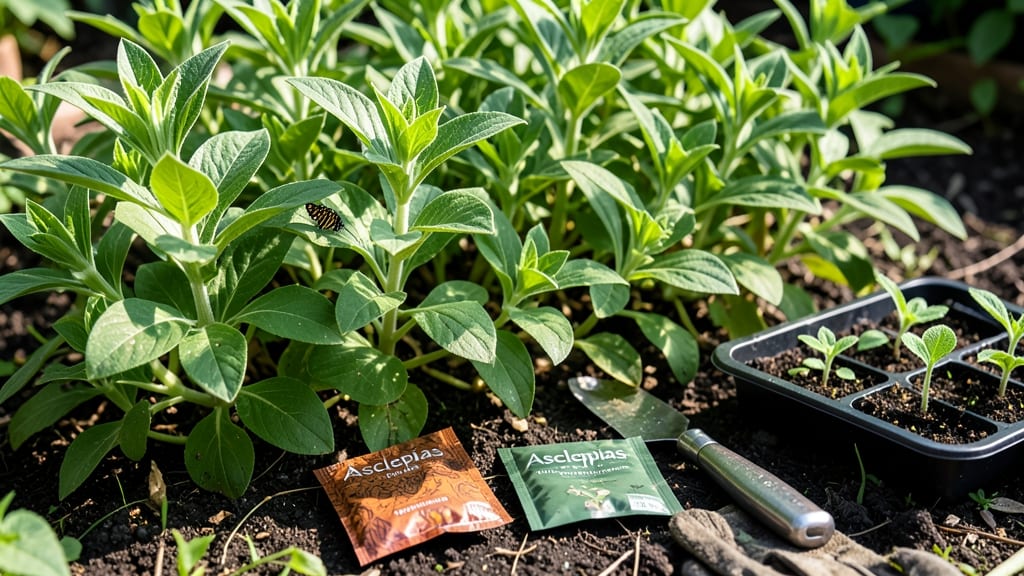
A monarch butterfly seed mix transforms your garden into a buzzing, fluttering oasis—no fancy landscaping required. 🌿 I planted mine last spring, and by July, my once-empty borders were alive with orange wings and happy hummingbirds.
The secret lies in the right blend of native flowers that monarchs can't resist: milkweed for caterpillars, coneflowers for nectar, and black-eyed Susans for late-season color.
This isn't just about pretty wings—it's an ecosystem in a packet. The milkweed alone supports 400+ caterpillars per season, while the other flowers keep adult butterflies fueled during migration. You'll see blooms from early summer through fall, giving pollinators a 4-month food supply with minimal effort.
The best part? These plants thrive in full sun to part shade, making them perfect for borders, meadows, or even container gardens.
Imagine your garden as a pit stop on the monarch's 3,000-mile journey. 🦋 With just a few packets, you'll create a haven where caterpillars munch safely and butterflies refuel before their next flight.
The design is simple: group milkweed together (caterpillars need it), then scatter the others for continuous blooms. Even small spaces work—my balcony planters now host daily visitors.
Here's the game-changer: these plants attract more than butterflies. Bees, hummingbirds, and beneficial insects all move in, creating a self-sustaining pollinator party. The key is planting early—some varieties like swamp milkweed need 6-8 weeks to establish before caterpillars arrive. Let's make your garden their next favorite stop.
📚 In This Guide
- What you need
- Instructions
- Tips and common mistakes
- Wrapping up and next steps
What you need
- ● Monarch butterfly-friendly seeds (50-100g): Milkweed (Asclepias spp.) – MUST INCLUDE (e.g., Asclepias tuberosa or Asclepias syriaca) 🌸
- ● Nectar-rich flowers (50% of mix): Coneflower (Echinacea spp.)
- ● Black-eyed Susan (Rudbeckia hirta)
- ● Bee balm (Monarda spp.)
- ● Goldenrod (Aster spp.)
- ● Garden soil: Well-draining, fertile soil (or potting mix for containers).
- ● Watering can or hose: With a gentle spray nozzle.
- ○ Gloves (optional): For handling seeds or soil.
- ● Seed starter tray or small pots: For indoor germination (if starting early).
- ● Trowel or small shovel: For planting seeds in garden beds.
- ● Mulch (straw or shredded leaves): To retain moisture and suppress weeds.
- ● Organic fertilizer (balanced 10-10-10): Lightly mix into soil before planting.
- ● Label markers: To track seed varieties (e.g., milkweed vs. nectar plants).
- ● Sunlight gauge: A sunny spot with 6+ hours of direct sun daily (monarchs love the heat!).
Step-by-step guide to planting a monarch butterfly seed mix
Here’s how to create a thriving pollinator garden that monarchs will return to year after year.
🌱 Step 1: Choose the Perfect Planting Location
Monarchs need full sun—select a spot that receives at least 6-8 hours of direct sunlight daily. Avoid areas with strong afternoon shade, as milkweed (the host plant) requires intense light to produce the energy-rich leaves caterpillars crave. I always scout locations in late winter when sunlight patterns shift; what seems sunny in summer may be shady in spring.
Test your spot by marking a 3-foot radius with stakes. Observe it hourly from morning to evening—monarchs will only use areas where milkweed thrives. If your garden has partial shade, focus on planting tall milkweed varieties like Asclepias syriaca at the back, where they’ll get the most light.
🌿 Step 2: Prepare the Soil for Optimal Germination
Monarch seed mixes often combine milkweed with nectar plants like butterfly weed (Asclepias tuberosa) and coneflowers (Echinacea). These plants prefer well-draining soil with a pH between 6.0 and 7.5. Before planting, loosen the top 6 inches of soil with a garden fork or tiller to improve aeration and root penetration.
Mix in 2-3 inches of compost or aged manure to enrich the soil without compacting it. Monarch caterpillars are sensitive to chemical fertilizers—avoid synthetic blends. Instead, sprinkle a balanced organic fertilizer (like 5-5-5) lightly over the area and water it in. The goal is nutrient-rich but not overly fertile soil, which can produce weak, disease-prone plants.
💧 Step 3: Sow Seeds at the Right Depth and Spacing
Monarch seed mixes often contain tiny, wind-dispersed seeds that need precise planting. Scatter seeds ¼ inch deep—deeper planting delays germination because seeds require light to trigger sprouting. I use a seed spreader for larger areas, but for smaller plots, sprinkle seeds by hand and gently rake the soil to ensure even coverage.
Space seeds 12-18 inches apart if planting in rows, or 18-24 inches apart for a natural, wildflower-style meadow. Monarchs prefer dense clusters of milkweed, so don’t thin seedlings unless they’re visibly crowding each other. Water the area lightly but thoroughly immediately after sowing to settle seeds into the soil without washing them away.
☀️ Step 4: Maintain Moisture and Protect New Growth
Keep the soil consistently moist (but not soggy) for the first 4-6 weeks after planting. Monarch seeds germinate best in warm soil (60-70°F), so water deeply every 2-3 days until seedlings emerge. Use a soaker hose or drip irrigation to avoid disturbing the soil surface—monarch seeds are delicate and can be buried too deep by heavy watering.
Once seedlings appear, reduce watering to once every 5-7 days, allowing the top 1 inch of soil to dry between waterings. This encourages deep root growth, which helps plants withstand drought—a critical trait for supporting monarch caterpillars, which can defoliate entire plants in weeks.
✂️ Step 5: Encourage Pollinators with Strategic Pruning
After plants reach 12 inches tall, begin light pruning to promote bushier growth. Pinch back the tips of milkweed stems to encourage branching, which increases the number of leaves available for caterpillars. For nectar plants like coneflowers, remove spent blooms regularly to prolong flowering—monarchs need continuous nectar from late spring through fall.
Leave some seed heads standing in late summer and fall. These provide overwintering habitat for monarch eggs and chrysalises. I mark a few plants each year to avoid accidental cleanup. By next spring, you’ll see new monarchs emerging from these protected pods, ready to continue the cycle.
Tips & tricks for perfect monarch butterfly seed mix planting
Creating a thriving monarch habitat takes more than just seeds—it's about setting up conditions where these delicate plants can flourish. Here's what I've learned after years of trial and error in my own garden.
Sunlight Strategy: That 6-8 hours of sunlight requirement is non-negotiable for milkweed, but here's the secret: morning sun is more important than afternoon. I've found that planting on the north side of fences or buildings actually works better in hot climates—it protects plants from intense afternoon rays while still giving them plenty of morning light. For partial shade situations, focus on Asclepias syriaca varieties which handle lower light better than others.
Soil Prep Secret: When loosening that top 6 inches of soil, don't just scratch the surface—aim for a fluffy, almost cake-like texture. I use a broadfork to create vertical channels that improve drainage while preserving soil structure. The key is to work the soil just enough to create air pockets without compacting it. For clay soils, mix in some coarse sand to prevent waterlogging, which monarch seeds particularly dislike.
Watering Wisdom: The 4-6 week moisture window is critical, but timing matters even more. I've noticed that watering in the early morning (before 8am) prevents fungal issues that can kill young seedlings. Use the "sponge test" to check moisture: press your finger 1 inch into the soil—if it feels dry, it's time to water. The goal is to keep the soil consistently moist without creating puddles that could drown those tiny seeds.
Pruning Technique: When you reach the 12-inch pruning stage, focus on removing only the top third of each stem. This encourages branching while preserving leaf production for caterpillars. I mark plants with small flags to remind myself which ones need pruning—it's easy to overlook them in a busy garden. For coneflowers, deadhead only after they've produced seed heads, as these provide food for birds and overwintering habitat for monarchs.
Pro Tips for Monarch Butterfly Seed Mix
- Creating a thriving monarch habitat takes more than just seeds—it's about setting up conditions where these delicate ...
- Sunlight Strategy: That 6-8 hours of sunlight requirement is non-negotiable for milkweed, but here's the secret: morn...
- Soil Prep Secret: When loosening that top 6 inches of soil, don't just scratch the surface—aim for a fluffy, almost c...
Frequently asked questions
about monarch butterfly seed mixes—because every gardener deserves a little clarity!What’s the best time to plant monarch butterfly seed mix?
Plant in early spring (after the last frost) or late summer (6–8 weeks before your first frost). Monarchs need milkweed (the mix’s star plant) to thrive, so timing ensures strong growth before their migration season. For tropical zones, plant in fall for winter blooms!
How long does it take for monarch butterfly seeds to germinate?
Germination varies: milkweed (the key seed) takes 7–21 days in warm soil (70°F+), while other flowers may sprout in 5–14 days. Keep soil moist but not soggy—patience is key! A heat mat can speed up slow starters.
Will this mix attract monarchs if I don’t see caterpillars right away?
Monarchs rely on milkweed for eggs, but they’ll visit other flowers (like coneflowers or asters) for nectar. Give it 1–2 seasons—adults may appear later. Pro tip: Add a shallow water source (like a saucer with pebbles) to help weary travelers!
Can I use monarch butterfly seed mix in containers or small spaces?
Yes! Use 5–10 gallon pots (minimum 12" deep) with well-draining soil. Dwarf milkweed varieties (like Asclepias tuberosa ‘Gay Butterflies’) work perfectly. Just ensure containers get 6+ hours of sun—monarchs (and their seeds) love warmth!
What do I do if my seeds aren’t sprouting?
First, check for moisture (dry soil = no germination) and light (some seeds need sunlight to sprout). If planted too deep (>¼ inch), they may rot. Try scarifying (lightly nicking seeds with sandpaper) or soaking overnight for stubborn varieties. Still no luck? Test soil pH (aim for 6.0–7.5)—some seeds need a neutral environment.
Wrapping up and next steps
Creating a monarch butterfly seed mix haven in your garden is a rewarding way to support pollinators while adding beauty to your outdoor space! 🌸 With the right native seeds, sunlight, and care, you’ll soon see these iconic orange-and-black beauties fluttering through your yard.
Whether you’re a seasoned gardener or just starting, every small effort makes a big difference for monarchs and other wildlife.
Ready to take the next step? Start small—plant a few seeds this season and watch your garden transform into a thriving pollinator paradise. Share your progress with fellow gardeners or even local conservation groups to inspire others to join the movement! 🌱