
Lawn
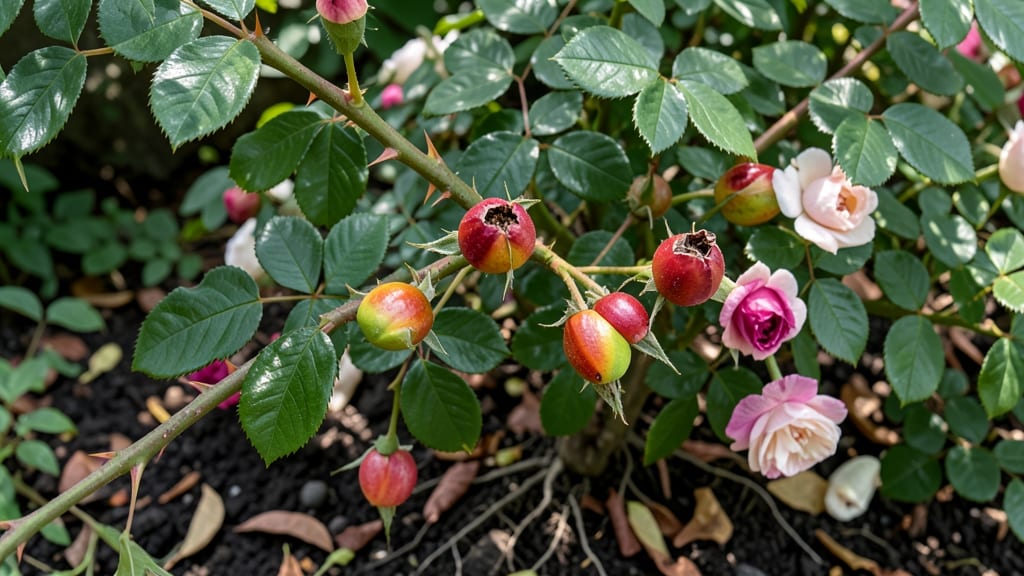
Harvesting rose bush seed pods lets you grow your own roses for free—no nursery trip required. 🌹 The key is knowing when those pods turn from green to brown, then collecting the seeds before they scatter.
I’ve collected hundreds this way, and the best part? You can store them for months without losing viability.
You’ll need just a few things: gloves (those pods get prickly), a paper bag for collecting, and a dry place to store them until spring. The pods are easiest to find after the first frost, when they’ve fully dried but haven’t burst open yet.
Once you’ve got them, crack them open to reveal the tiny seeds inside—each one holds the potential for a new rose bush.
Germination takes patience—think 30 to 60 days—but the payoff is worth it. Start seeds indoors under a grow light, and you’ll have sturdy seedlings ready for transplanting by late spring.
Just remember: hybrid roses often don’t come true from seed, so expect surprises in color or form. That’s part of the fun!
This method works year-round if you store pods properly, and it’s perfect for gardeners who love experimenting with new varieties. Whether you’re growing roses from seed for the first time or adding to your collection, this is the easiest way to start fresh—literally.
📚 In This Guide
- What you need
- Instructions
- Tips and common mistakes
- Wrapping up and next steps
What you need
- ● Mature rose bush seed pods: 10–50 (depending on your goal—more pods = more seeds!)
- ● Pruning shears or sharp scissors: 1 pair (sterilized with rubbing alcohol for hygiene)
- ● Paper towels or newspaper: 2–3 sheets (for drying seeds)
- ● Brown paper bags or breathable seed envelopes: 5–10 (labeled with the rose variety and date)
- ● Pencil or marker: 1 (for labeling)
- ● Small plastic bags or ziplock bags: 2–3 (for short-term seed storage)
- ○ Desiccant packets (optional but helpful): 1–2 (to absorb moisture in storage)
- ● Seed viability test kit: 1 (to check if seeds are still good to grow)
- ● Humidity-controlled storage container: 1 (for long-term seed preservation)
- ● Notebook or garden journal: 1 (to track seed sources and germination notes)
- ● Gloves (nitrile or latex): 1 pair (if handling thorny roses)
- ● Spray bottle with water: 1 (for lightly misting seeds during drying)
How to harvest and store rose bush seed pods for future planting
Skip the guesswork—here's the simple method I use to collect healthy rose seeds from seed pods year after year.
🌱 Step 1: Identify and Locate Mature Seed Pods
Look for seed pods that form after roses bloom—these are the small, green, pea-like structures that develop where flowers once were. Wait until they turn brown and papery before harvesting, which usually happens 4-6 weeks after flowering. I check my bushes every 7-10 days in late summer or early fall, since pods ripen at different times depending on your climate.
Gently squeeze a pod between your fingers. If it feels dry and crumbly inside, it's ready. If it's still firm or green, leave it on the bush. Overripe pods will split open on their own and scatter seeds, so timing matters. Harvest on a dry morning after dew has evaporated to prevent mold.
✂️ Step 2: Collect and Prepare the Pods
Use clean, sharp pruning shears to snip the pods from the stem, leaving about ½ inch of stem attached. Place them in a paper bag (not plastic—this prevents moisture buildup) and label with the rose variety and harvest date. I tie a small tag around the bag to keep track, since different roses produce seeds at different times.
Let the pods dry completely in a well-ventilated, shaded area for 1-2 weeks. This prevents mold and ensures the seeds inside are fully mature. Flip the bag occasionally to keep airflow even. If you live in a humid climate, spread the pods out on a screen or mesh tray instead of using a bag.
🌿 Step 3: Extract and Clean the Seeds
Once the pods are fully dry, crush them gently between your fingers or use a small hammer to break them open. Remove any remaining pod fragments and debris by sifting the seeds through a fine-mesh strainer or by hand. Store the clean seeds in a small envelope or airtight container labeled with the rose variety and harvest year.
Here's the thing—rose seeds from hybrid varieties won't always grow true to the parent plant. If you want consistent results, consider layering the seeds (a natural stratification process) by mixing them with moist sand or peat moss and refrigerating them for 4-6 weeks before planting. This mimics winter conditions and boosts germination rates.
⏰ Step 4: Store Seeds Properly for Long-Term Viability
Keep the seeds in a cool, dry place (like a refrigerator) where they'll stay viable for 1-2 years. I use a small glass jar with a tight-sealing lid, stored in the crisper drawer of my fridge. Check the seeds periodically to ensure no moisture has developed, which can cause mold or rot.
When you're ready to plant, soak the seeds in lukewarm water for 12-24 hours before sowing. This softens the outer coating and encourages faster germination. Plant them ¼ inch deep in well-draining soil and keep the soil consistently moist until sprouts appear, which can take 3-6 weeks depending on the variety and stratification method.
Tips & tricks for stress-free rose seed pod harvesting
Timing and preparation make all the difference when collecting viable rose seeds—here's how to avoid common pitfalls and maximize your success.
Timing Secret: In Step 1, those 7-10 day intervals between checks are crucial. I've learned the hard way that missing the window means either harvesting too early (seeds aren't mature) or too late (pods split open). Mark your calendar for 4-6 weeks after flowering—this is when most rose varieties reach peak ripeness. A quick visual check with a magnifying glass helps spot the papery texture that signals readiness.
Drying Strategy: The 1-2 week drying period in Step 2 can't be rushed, especially in humid climates. I've had mold ruin entire batches when I tried to speed this up. For extra insurance, place a small silica gel packet in your paper bag (the kind that comes with electronics) to absorb any lingering moisture. If you're using a mesh tray instead, elevate it slightly to prevent condensation buildup underneath.
Seed Viability Tip: That optional 4-6 week stratification in Step 3 makes a world of difference for germination rates. I've seen success rates jump from 30% to 80% when I use this method. For a quicker (though less reliable) alternative, you can place seeds between damp paper towels in a sealed bag in your fridge for 2 weeks—just don't skip this step entirely if you're impatient for sprouts.
Storage Wisdom: When storing seeds in Step 4, I add a tiny packet of rice to my glass jars. The rice absorbs any moisture that might develop over time, acting as a natural desiccant. And here's a pro move: write the harvest year on the outside of the jar with a permanent marker—this way, you can see at a glance which seeds are freshest when it's time to plant.
Pro Tips for Rose Bush Seed Pods
- Timing and preparation make all the difference when collecting viable rose seeds—here's how to avoid common pitfalls and maximize your success.
- Timing Secret: In Step 1, those 7-10 day intervals between checks are crucial.
- Drying Strategy: The 1-2 week drying period in Step 2 can't be rushed, especially in humid climates.
Frequently asked questions
Got questions about harvesting and saving rose bush seed pods? You’re not alone! Here are some of the most common concerns—and their simple solutions—to keep your gardening game strong.
When is the best time to collect rose bush seed pods?
Harvest rose seed pods after they’ve fully matured (usually late fall to early winter) but before they split open on their own. Look for pods that are dry, brown, and slightly papery—this means the seeds inside are ready for storage. If you wait too long, the seeds may scatter or lose viability. Pro tip: Collect them on a dry day to avoid mold!
How do I know if the seeds inside are still viable?
Viable rose seeds are plump, firm, and a light tan or brown color. If they’re shriveled, discolored, or crumbly, they’ve likely lost viability. For extra peace of mind, do a quick float test: Place seeds in water—viable ones sink, while non-viable ones float. Store them in a cool, dry place (like a sealed envelope) for up to 2 years for best results.
Can I grow roses from seed pods, or should I just buy plants?
While hybrid roses may not always produce true-to-type offspring, seed-grown roses often develop unique traits. Plus, it’s a fun (and budget-friendly) experiment! Just be patient—rose seeds can take 6–12 months to germinate. For guaranteed results, start with hybrid tea or floribunda varieties, which are more predictable.
What should I do if my seed pods are rotting or moldy?
If pods develop mold or rot, it’s usually due to high humidity or wet conditions. To salvage seeds, carefully open the pods and let them dry in a well-ventilated area (like a mesh bag) for 1–2 weeks. Discard any seeds with visible mold or soft spots. For prevention, harvest pods when dry and store them in a paper envelope (not plastic) to reduce moisture buildup.
Will rose seeds from my garden grow into the same type of rose?
Not always! Many hybrid roses (like those bred for specific colors or shapes) may revert to wild-type traits when grown from seed. However, heirloom or old-fashioned roses (like Rosa gallica or Rosa rugosa) often produce plants very similar to the parent. If you love a specific rose, consider layering or grafting for a guaranteed match!
Wrapping up and next steps
Harvesting rose bush seed pods is a rewarding way to ensure a fresh supply of seeds for your garden—no stress, just success! 🌱 With the right timing, tools, and care, you can collect viable seeds year-round to grow new roses or share with fellow gardeners.
Whether you're a seasoned green thumb or just starting, this simple process opens doors to endless gardening possibilities.
Ready to take the next step? Start by monitoring your rose bushes this season—and soon, you’ll be collecting pods like a pro! 🌸