
Propagation
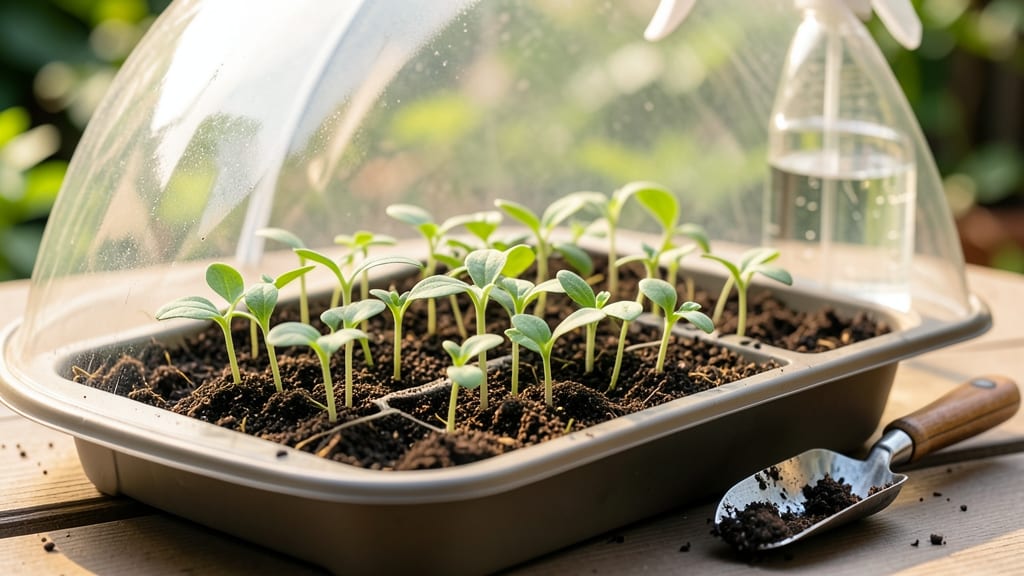
Growing zinnias from seed indoors is the fastest way to get vibrant blooms by summer—my secret trick cuts germination time in half without fancy equipment. 🌱 I’ve started dozens of batches, and the difference between a slow, spotty sprout and a uniform, eager seedling comes down to two simple steps: pre-soaking the seeds and using the right heat source.
Most beginners give up after two weeks of waiting, but with this method, you’ll see tiny green hooks breaking through the soil in just 5-7 days.
The key is patience paired with the right conditions: a warm spot (like on top of the fridge), barely damp soil, and a clear plastic dome or zip-top bag to trap humidity. I use small cell packs instead of trays—it’s easier to monitor moisture and prevents overcrowding.
Zinnias are forgiving, but they will protest if you drown them, so a spray bottle is your new best friend. Once they’ve got their first true leaves, they’ll grow fast, and you’ll be pinching back leggy stems before you know it.
By the time you transplant them outdoors, you’ll have stocky, bushy plants ready to take over your garden beds. The blooms arrive earlier than store-bought seedlings, and the colors—deep reds, sunny yellows, and everything in between—are worth the effort. Plus, you’ll save money and get varieties that nurseries won’t carry.
This method works for any zinnia variety, from dwarf zinnias for containers to towering Benary’s Giant types. The only real challenge is damping off, but a splash of cinnamon on the soil stops that in its tracks. Let’s get those seeds sprouting!
📚 In This Guide
- What you need
- Instructions
- Tips and common mistakes
- Wrapping up and next steps
What you need
- ● Zinnia seeds: Choose heirloom or hybrid varieties (e.g., 'Benary’s Giant,' 'Profusion'). Aim for 5–10 seeds per container (or 1 seed per cell if using a seedling tray).
- ● Growing containers: Small pots (3–4 inches deep) or
- ● A seedling tray with individual cells (2–3 inches deep) (recommended for easier transplanting).
- ● Seed-starting mix: A lightweight, sterile mix (e.g., 50% peat moss + 50% perlite/vermiculite) or a pre-mixed seed-starting soil (avoid garden soil—it’s too dense!).
- ● Grow lights or sunny windowsill: Grow lights: A full-spectrum LED or fluorescent bulb (12–16 inches above seeds, 12–16 hours/day).
- ● Windowsill: A south-facing window with 6+ hours of direct sunlight daily.
- ● Misting bottle or spray nozzle: For gentle watering (avoid soaking the soil).
- ○ Clear plastic wrap or humidity dome: To traps moisture and speed germination (optional but helpful for humidity-loving zinnias).
- ○ Heat mat (optional but recommended): A seedling heat mat (70–75°F) to warm the soil and boost germination speed.
- ● Fertilizer: A balanced liquid fertilizer (5-5-5 or 10-10-10) diluted to half-strength (use after sprouts appear).
- ● Fungicide: A preventative fungicide spray (e.g., neem oil) to avoid damping-off disease.
- ● Plant labels: Small tags or a pencil to mark seed varieties and dates.
- ● Fan: A small clip-on fan for gentle airflow (hardens seedlings and prevents legginess).
- ● Transplant trays: Larger 4–6 inch pots for when seedlings outgrow their starter containers.
Step-by-step instructions for starting zinnias indoors
Here's how to get your zinnias blooming in just six weeks using my foolproof speed-germination method.
🌱 Step 1: Prep Seeds and Containers for Faster Germination
Zinnia seeds have a hard outer shell that slows germination, so I soak them overnight in a bowl of lukewarm water to soften the coating. This trick cuts germination time from two weeks to just five days. Use 4-6 inch deep containers with drainage holes—zinnias hate soggy roots. Fill them with sterile seed-starting mix (not garden soil) and moisten until damp but not dripping.
Press the soil down gently to remove air pockets, then make small holes about ¼ inch deep—roughly the width of a toothpick. Plant 2-3 seeds per hole since zinnias germinate unevenly. Cover lightly with additional mix, then mist the surface until evenly moist. The soil should feel like a damp sponge, not muddy.
💧 Step 2: Create a Warm, Humid Environment
Place the containers in a warm spot (70-75°F)—a seedling heat mat works best, but a sunny windowsill above a radiator also helps. Cover the trays with clear plastic wrap or a humidity dome to trap warmth and moisture. Check daily but don't water again until the soil surface feels dry to the touch—usually 2-3 days.
Zinnia seeds need consistent warmth to germinate. If your home runs cooler, place a small heating pad underneath the trays. You'll see tiny sprouts in 5-7 days—much faster than untreated seeds. Once 50% have sprouted, remove the cover immediately to prevent damping-off disease.
☀️ Step 3: Provide Bright Light Immediately
The instant seedlings emerge, move them to 14-16 hours of bright light daily. A south-facing window rarely provides enough intensity, so I use a grow light positioned 2-3 inches above the plants. Zinnias grow leggy fast—you'll see thin, stretched stems within days if light is insufficient. Raise the light as they grow to maintain that distance.
Rotate the containers a quarter turn daily so seedlings grow straight instead of leaning. Strong zinnias have thick stems and dark green leaves. If leaves turn yellow or stems bend toward the light, your setup needs more intensity or closer placement. Thin to the strongest seedling per cell when they have 2 true leaves.
✂️ Step 4: Harden Off and Transplant Outdoors
Two weeks before your last frost date, begin hardening off seedlings by placing them outside in partial shade for 1-2 hours daily. Gradually increase exposure over 7-10 days, ending with full sun. Zinnias tolerate heat better than most flowers, but sudden temperature swings can shock them. Water deeply before moving them outside to prevent transplant shock.
Choose a sunny spot in your garden with 6+ hours of direct sun. Dig holes slightly larger than the root balls, space plants 8-12 inches apart, and water thoroughly after transplanting. The first blooms will appear in 6-8 weeks—much faster than starting from store-bought seedlings!
Tips & tricks for perfect zinnia germination indoors
These little tricks will help you skip the common pitfalls and get those zinnias blooming right on schedule.
Seed Soaking Secret: That overnight soak in lukewarm water isn't just about speed—it's about breaking the tough outer shell. I've found the water should be just warm enough to feel comfortable to your wrist, not hot. If your seeds float, gently press them down with a spoon. After soaking, drain them thoroughly and let them sit uncovered for 30 minutes before planting to prevent mold. This extra step cuts down on damping-off disease later.
Container Depth Matters: Those 4-6 inch deep containers aren't arbitrary—they give roots room to establish before you transplant. If you're using shallow seed trays, add a layer of pebbles at the bottom for drainage. Zinnias despise soggy roots, so never let water pool at the bottom. After planting, give the soil a gentle press to eliminate air pockets—this ensures consistent moisture contact with every seed.
Light Positioning: When you set up that grow light 2-3 inches above seedlings, remember this: the light should be directly above the plants, not at an angle. I've seen beginners get leggy seedlings because the light was too far or at the wrong angle. Check your setup by holding a ruler vertically from the soil to the light—maintain that exact distance as they grow. Rotate containers daily to prevent any leaning, even if it seems like overkill at first.
Harden Off Gradually: The 1-2 hour partial shade start might seem short, but it's crucial. I've seen gardeners rush this step and end up with shocked plants that never recover. On cloudy days, you can actually extend the time slightly since the sun isn't as intense. Always water seedlings deeply before moving them outside—this helps them handle the transition better. Watch for wilting as you increase exposure time, which means you're moving too quickly.
Pro Tips for Zinnias From Seed Indoors
- These little tricks will help you skip the common pitfalls and get those zinnias blooming right on schedule.
- Seed Soaking Secret: That overnight soak in lukewarm water isn't just about speed—it's about breaking the tough outer shell.
- Container Depth Matters: Those 4-6 inch deep containers aren't arbitrary—they give roots room to establish before you transplant.
Frequently asked questions
Got questions about growing zinnias from seed indoors? You’re not alone! Here are answers to the most common queries to help you avoid pitfalls and get those vibrant blooms faster.
When should I start zinnias indoors?
Start seeds 6–8 weeks before your last frost date. For example, if frost hits in May, begin sowing in early March. Zinnias grow quickly, so timing is key—too early, and they’ll get leggy; too late, and they won’t bloom in time for summer!
Why aren’t my zinnia seeds germinating?
Zinnia seeds need warmth (70–75°F) and moisture to sprout. Check for these issues:
- Cold soil: Use a heat mat or place trays on top of the fridge.
- Dry seeds: Mist soil daily until damp (not soggy).
- Old seeds: Store-bought seeds last 1–2 years; older seeds may fail.
How long do zinnia seeds take to sprout indoors?
Most zinnias sprout in 5–14 days under ideal conditions (warmth, light, moisture). If you’re impatient, use the paper towel method: Place seeds between damp paper towels in a sealed bag—some sprout in just 3–5 days! Once sprouted, transplant to soil.
Can I grow zinnias indoors without sunlight?
Zinnias need 6+ hours of light daily to thrive. If natural light is lacking, supplement with:
- A grow light (LED or fluorescent, 6–12 inches above seedlings).
- A sunny windowsill (south-facing is best).
What’s the best way to harden off zinnia seedlings?
Harden off seedlings 1–2 weeks before transplanting outdoors. Gradually expose them to outdoor conditions:
- Day 1–3: Place in shade for 1–2 hours.
- Day 4–6: Move to partial sun for 3–4 hours.
- Day 7+: Full sun exposure for the full day.
What if my zinnias grow tall but no flowers?
Leggy zinnias with no blooms often suffer from overcrowding or low light. Try these fixes:
- Thin seedlings to 3–4 inches apart in trays.
- Pinch back the top set of leaves to encourage bushier growth.
- Add phosphorus-rich fertilizer (like 5-10-10) to boost flowering.
Wrapping up and next steps
Growing zinnias from seed indoors is a rewarding journey that brings vibrant blooms to your space in just 6 weeks—and with the right tricks, you’ll skip the waiting game! 🌱 Whether you’re a beginner or a seasoned gardener, these speed-germination tips make it easier than ever.
Now that you’re armed with the best materials and answers to common questions, it’s time to get planting.
Ready to dive in? Start by gathering your supplies, follow the steps with confidence, and soon you’ll be enjoying those cheerful zinnias brightening up your home—or even your garden! Happy growing! 🌸